Kingdom
Child protection: DGSN and ONDE seal a strategic partnership
The DGSN and ONDE signed a partnership agreement in Kenitra aimed at strengthening mechanisms for protecting children in vulnerable situations and enhancing the intervention capacities of the relevant services.

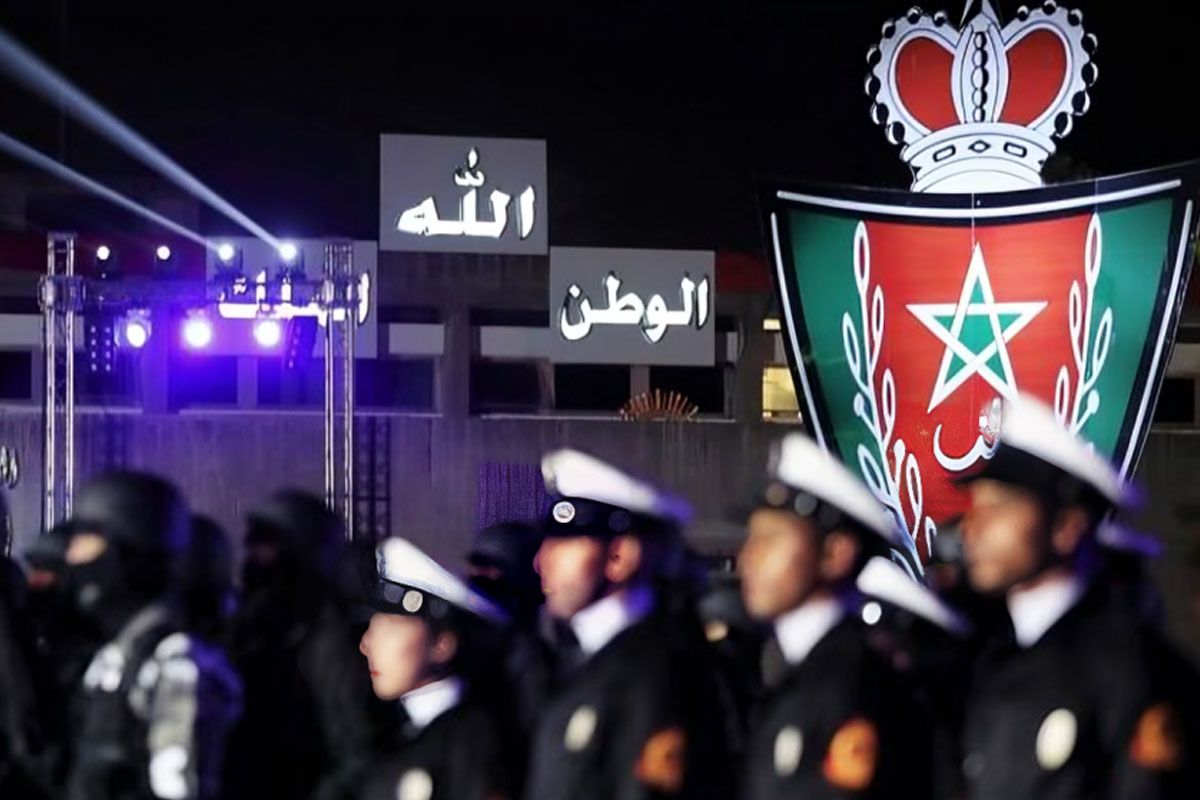
The General Directorate of National Security (DGSN) and the National Observatory for the Rights of the Child (ONDE) signed a partnership agreement on Tuesday at the Royal Police Institute in Kenitra, aimed at strengthening child protection and developing mechanisms for the care of children in vulnerable situations.
This partnership seeks to establish a framework for institutional cooperation between the two parties through joint action to achieve strategic objectives, notably strengthening the protection of children’s rights—particularly those in vulnerable situations or in conflict with the law—as well as developing the capacities of National Security personnel in the fields of child mental health and appropriate intervention methods.
On this occasion, the Director of the Royal Police Institute, Controller General Khalid Zougari, emphasized that this agreement gives concrete form to a participatory approach, enabling the pooling of efforts of various institutional and human rights actors.
It also reflects the commitment of both institutions, each within its field of competence, to strengthening this protection, while directly contributing to the development of skills and the enhancement of the capacities of National Security officials, he said in a speech on behalf of the DGSN.
Khalid Zougari also indicated that this agreement constitutes a pivotal step, enshrining the integrated approach that characterizes cooperation between the two institutions.
He further specified that the areas of partnership include training and capacity-building; the care of children in vulnerable situations through the relaunch of the project to protect children in situations of begging; the implementation of the territorial care protocol; as well as participation in the efforts of national and international mechanisms.
It also includes psychosocial support, through the establishment of a team dedicated to assistance and psychological monitoring for DGSN officials exposed, in the course of their duties, to illicit content related to children, as well as technological support in reporting offenses, awareness-raising, and prevention, he added.
In line with the Vision of His Majesty King Mohammed VI, may God assist him, the DGSN continues to pursue and strengthen its efforts regarding children’s rights by developing the mechanisms, means, and resources dedicated to them, both at the preventive and repressive levels, Khalid Zougari noted.
He also recalled the DGSN’s effective commitment to implementing the integrated public policy on child protection 2015–2025, developed by the Ministry of Solidarity, Social Integration and Family, as well as the territorial protocol for the care of children in vulnerable situations, which serves as a reference document outlining the care process for children, coordinating the actions of all stakeholders and strengthening their coordination.
For her part, ONDE Vice-President Ghizlane Benjelloun stated that the Observatory, under the effective presidency of Her Royal Highness Princess Lalla Meryem, and in line with the High Instructions of His Majesty King Mohammed VI, may God assist him, is working to establish an integrated national policy to promote children’s rights, based on protection, prevention, and the strengthening of these rights without discrimination.
This agreement is part of that dynamic, reflecting a shared determination to institutionalize cooperation between ONDE and the DGSN and to elevate it to a higher level of coordination and complementarity in interventions, she said.
Ghizlane Benjelloun added that this agreement is based on a clear distribution of commitments: the Observatory provides its technical expertise, tools, and programs, while the DGSN mobilizes its resources and integrates these approaches.
This partnership also provides for the establishment of a joint governance framework through a steering committee responsible for monitoring, evaluating, and ensuring the sustainability of this cooperation, she explained.
Child protection is a collective responsibility requiring continuous mobilization, rigorous coordination, a shared vision, and a proactive, proximity-based approach tailored to the specific needs of each child, Ghizlane Benjelloun added, reaffirming ONDE’s full commitment to supporting the implementation of this agreement within a framework of partnership, complementarity, and efficiency.