Kingdom
Casablanca–Settat: New Industrial Zones in Mohammedia and Benslimane
Partnership agreements were signed for the creation of three new industrial zones in Mohammedia and Benslimane. These projects aim to strengthen the supply of industrial land, attract investments, and generate thousands of jobs in the region.

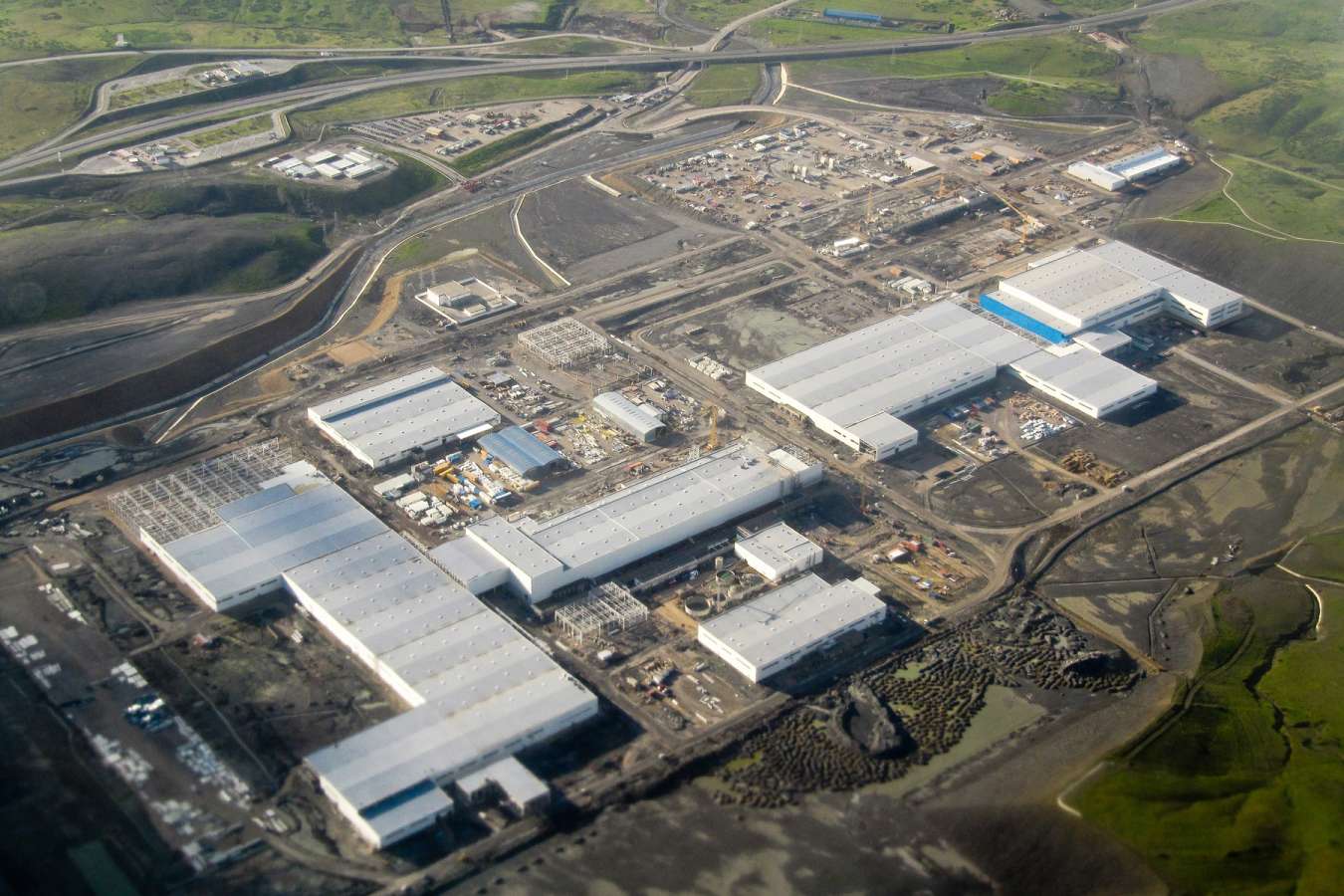
Partnership agreements aimed at the development of new industrial zones in Mohammedia and Benslimane were signed on Saturday at the headquarters of the Wilaya of the Casablanca–Settat region, as part of strengthening the region’s industrial land supply and economic attractiveness.
The signing ceremony took place notably in the presence of the Minister of Industry and Trade, Ryad Mezzour; the Wali of the Casablanca–Settat region and Governor of the Prefecture of Casablanca, Mohamed Mhidia; the President of the Council of the Casablanca–Settat region, Abdellatif Maâzouz; as well as the Governor of the Prefecture of Mohammedia, Adil El Maliki; the Governor of the Prefecture of Benslimane, El Hassan Boukouta; the Governor of the Province of Médiouna, Ali Salem Chagaf; in addition to several institutional officials and economic stakeholders.
These agreements concern the creation of three industrial zones covering a total area of about 1,100 hectares, distributed between the Prefecture of Mohammedia and the Province of Benslimane, with the aim of supporting the region’s industrial momentum and meeting the strong demand from investors.
In a statement to the press on this occasion, Ryad Mezzour indicated that the signing of these agreements is part of the implementation of the High Royal Orientations aimed at strengthening the Kingdom’s productive capacities and consolidating its industrial sovereignty.
He specified that these projects involve the development of an industrial zone in Mohammedia, to be carried out in three phases over an area of 660 hectares, as well as two industrial zones in the Province of Benslimane: one in Moualine El Oued covering 350 hectares, and the other in Ain Tizgha covering 134 hectares.
According to the minister, these projects are expected to create more than 35,000 jobs, while strengthening the supply of industrial and logistics land in a region characterized by strong economic momentum and growing demand from investors.
For his part, the President of the Council of the Casablanca–Settat region stressed that the signing of these agreements represents an important step in extending industrial zones to all prefectures and provinces of the region.
He explained that this momentum now concerns several territories, notably Médiouna, Mohammedia, Benslimane, Berrechid, Nouaceur, and Settat, adding that new projects are also planned in other provinces, including Sidi Bennour.
Abdellatif Maâzouz highlighted two strategic dimensions of these projects, namely supporting populations relocated to the outskirts of Casablanca and making industrial land available at competitive prices in order to encourage investment.
For his part, the CEO of MedZ, Marouane Abdelati, specified that these projects are the result of close collaboration between several institutional partners, notably the Ministry of Industry and Trade, the Ministry of Economy and Finance, the Wilaya of the Casablanca–Settat region, the concerned provinces, the urban agencies of Casablanca and Berrechid–Settat, as well as the CDG Group and its subsidiary MedZ.
He also indicated that the first phases of these projects should enable the creation of around 20,000 jobs, illustrating the significant impact expected on the region’s productive and industrial fabric.
MedZ, a subsidiary of the CDG Group, through these projects continues its mission of developing industrial and logistics activity zones across the Kingdom, thereby helping to strengthen Morocco’s industrial competitiveness and economic attractiveness.