Kingdom
Casablanca–Settat: First Regional Forum on the Education and Training System
This meeting notably aims to develop a participatory regional vision for the post-2026 period, based on an assessment of achievements and constraints, while strengthening the school’s openness to its economic, social, and cultural environment.

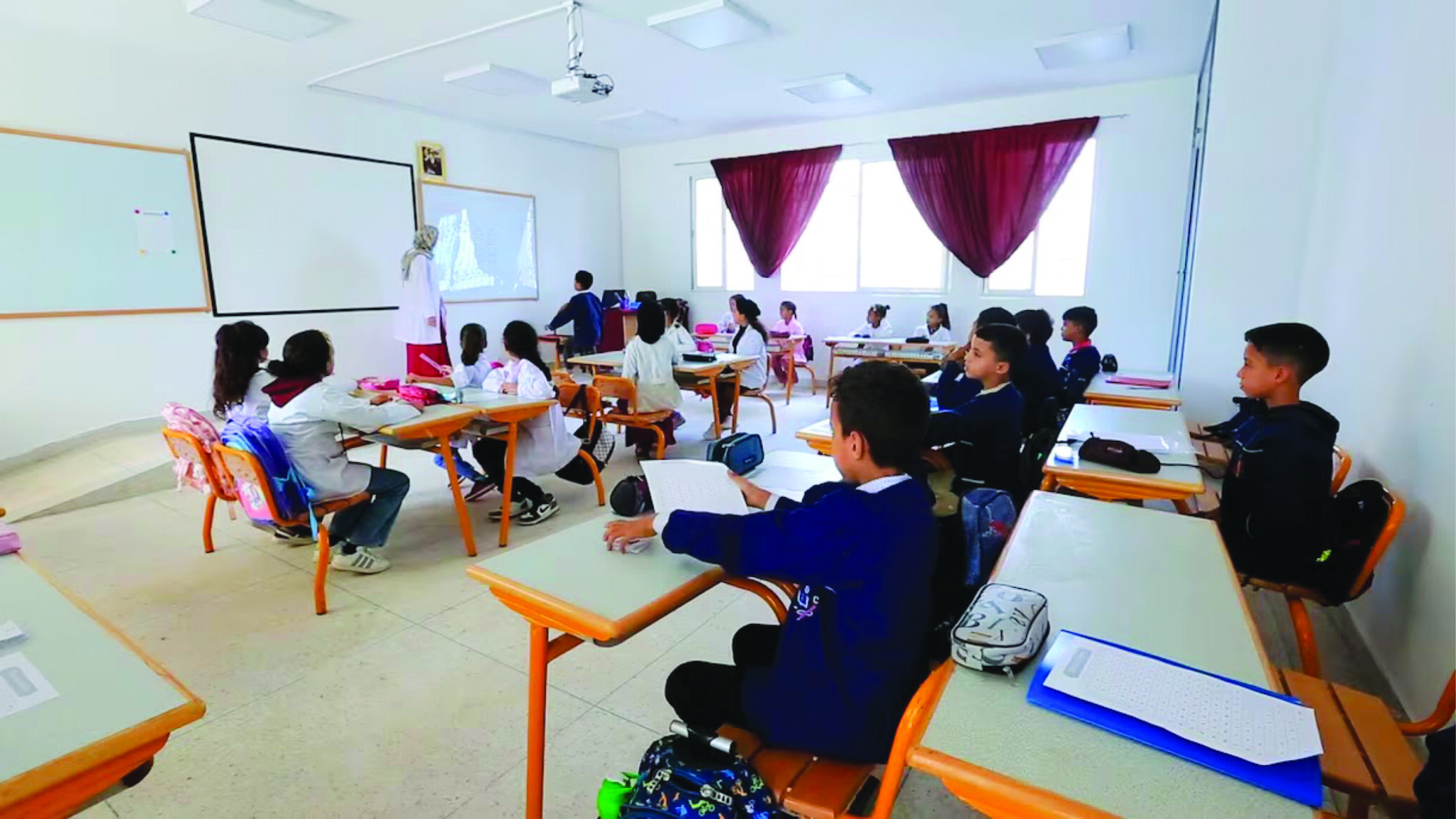
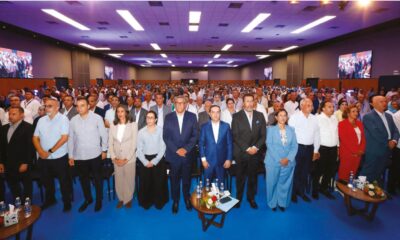
The Regional Academy of Education and Training (AREF) of Casablanca–Settat organised, on Wednesday in Casablanca, its first Regional Forum on the Education and Training System under the theme: “Casablanca–Settat Region: Driving Force of the New Moroccan School, Assessment of Achievements and Prospects for Post-2026 Challenges.”
This regional forum is part of the continued implementation of education system reform projects and aligns with the provisions of Framework Law 51.17 relating to the system of education, training, and scientific research.
The meeting also takes place at a pivotal stage, marked by the approaching completion of the 2022–2026 Roadmap, with the aim of assessing the outcomes of the reforms undertaken and reflecting on the prospects for the next phase, particularly in light of the report “The New School” published by the Higher Council for Education, Training, and Scientific Research (CSEFRS).
The forum notably aims to develop a participatory regional vision for the post-2026 period, based on an evaluation of achievements and constraints, while strengthening the school’s openness to its economic, social, and cultural environment.
It also seeks to promote the integration of digital technologies and artificial intelligence within the education system, as well as to consolidate governance mechanisms and the autonomy of educational institutions.
In a statement to the press, the Director of AREF Casablanca–Settat, Mohamed Dib, indicated that this forum represents “a decisive step” in the process of territorialising educational reform at the regional level.
He stressed that this meeting is intended as a concrete response to the challenges related to implementing the framework law and the reform roadmap, noting that the objective is to make public schools capable of meeting family expectations and preparing students for the challenges of the 21st century.
Dib also highlighted the participatory approach adopted in this forum, through the involvement of education professionals, local authorities, civil society partners, and the private sector, emphasising that education remains “a shared societal responsibility.”
He further noted that discussions focus in particular on issues related to the pedagogical model, governance, digitalisation, and the development of preschool education, specifying that the recommendations arising from this meeting will be translated into concrete action plans for the next phase of reform.
For his part, El Houssine Zetit, Director of Primary Education Programmes at the Ministry of National Education, Preschool and Sports, stated that this regional forum represents an evaluation stage aimed at assessing achievements, valuing gains made, and identifying obstacles and constraints hindering further development of the education system.
He explained that this process also seeks to analyse the results obtained in order to build on past experiences and reinvest them in exploring future prospects, with the objective of improving the performance of the education system and meeting societal expectations of public schooling.
Zetit further specified that these regional forums on the education and training system have been organised across the various AREFs of the Kingdom, noting that they provide an opportunity to bring together different educational stakeholders and partners for an open debate on the reforms undertaken and ways to strengthen the quality of the education system.
The forum proceedings were structured around a plenary session dedicated to presenting the regional assessment of the 2022–2026 Roadmap, as well as several academic contributions addressing the transformations and future challenges of the Moroccan school.
The programme also included ten thematic workshops aimed at examining various priority issues, particularly teaching practices, preschool education, inclusive education, combating school dropout, digital transformation, and the school’s engagement with its environment.
This regional meeting saw the participation of more than 300 stakeholders and partners representing the various components of the education system, including educational and administrative officials, school principals, teachers, representatives of local authorities, the private sector, civil society, as well as parents’ associations.