Kingdom
Berrada: “Extracurricular activities are producing very positive results in the fight against school dropout”
Theatre, sport, cinema, and robotics all help turn the school into a space for learning and personal development, while targeted support is provided to pupils at risk of dropping out.

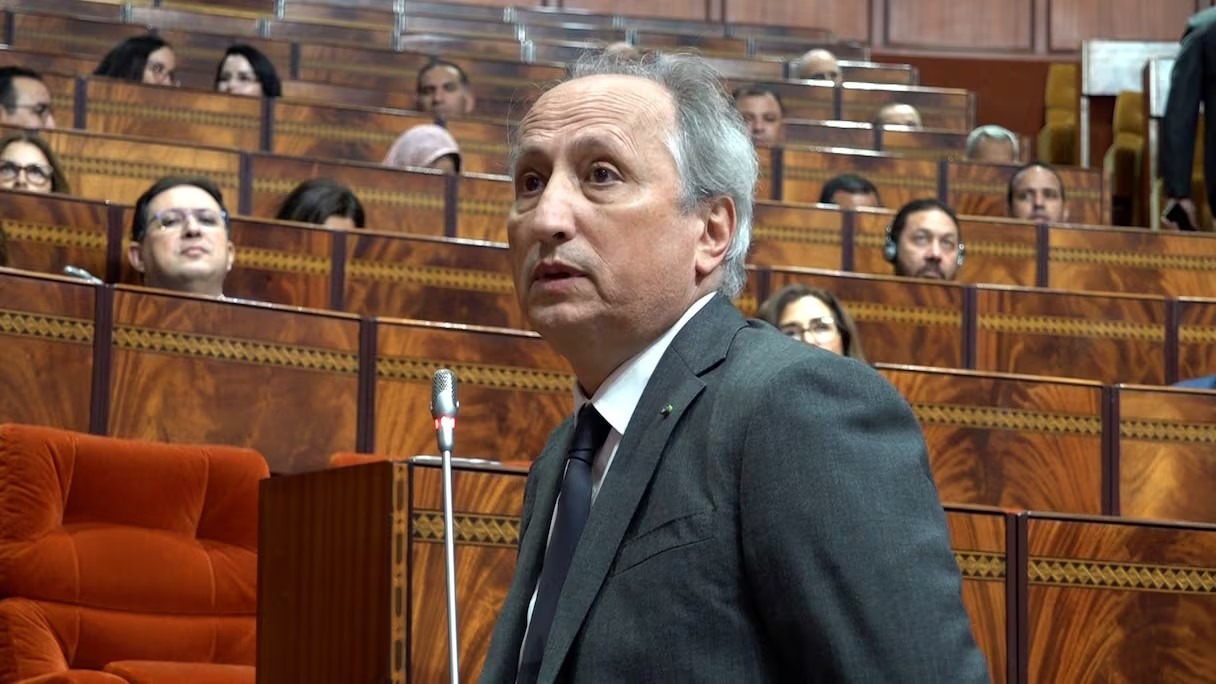
Extracurricular activities and early‑warning support units are helping to combat school dropout within pioneer secondary schools, stated on Monday at the House of Representatives the Minister of National Education, Preschool Education and Sports, Mohamed Saad Berrada.
Extracurricular activities have yielded “very good” results in the fight against school dropout, the minister said in response to an oral question on “the experience of pioneer institutions”.
He noted that pupils’ participation in activities such as theatre, sport, cinema, or robotics—at a rate of two hours per week—helps transform schools into spaces for both leisure and learning, adding that early‑warning units have supported pupils at risk of dropping out.
Approximately 20% of pupils who have left school or are exposed to this risk benefit from the support provided by these units, which contact guardians in order to identify the causes of absenteeism and address them, the minister explained.
This support also includes assisting pupils facing psychological or family difficulties, or learning challenges, while giving them priority access to remedial classes, he added.
Furthermore, Berrada stated that the number of pioneer primary schools will reach 6,626 at the start of the next academic year, out of a total of 8,500 schools (80%), while pioneer lower secondary schools will number 1,230 establishments by next September (50%).
He also referred to several tools adopted within pioneer schools, such as intensive classes for pupils in core subjects, the use of the “TaRL” method (Teaching at the Right Level) and explicit instruction, in addition to periodic assessments every six weeks, during which more than three million pupils sit standardised national tests.
This approach makes it possible to compare pupils’, classes’, and schools’ results, to identify learning difficulties, and to provide continuous support both to pupils and to schools facing challenges, he continued.
In addition to the evaluation system, the ministry has adopted a mechanism for the standardisation of marking in order to harmonise standards and ensure comparability and improvement of results, Mr Berrada noted, explaining that inspectors oversee internal standardisation alongside external standardisation to verify the accuracy of assessments.