Business
Benslimane: The New Technological Heart of Moroccan Defense
The installation of future sites for Baykar, Lockheed Martin, or Elbit Systems within a military zone itself is not insignificant. The city already hosts several military facilities and an airfield, offering a secure, protected environment far from prying eyes.

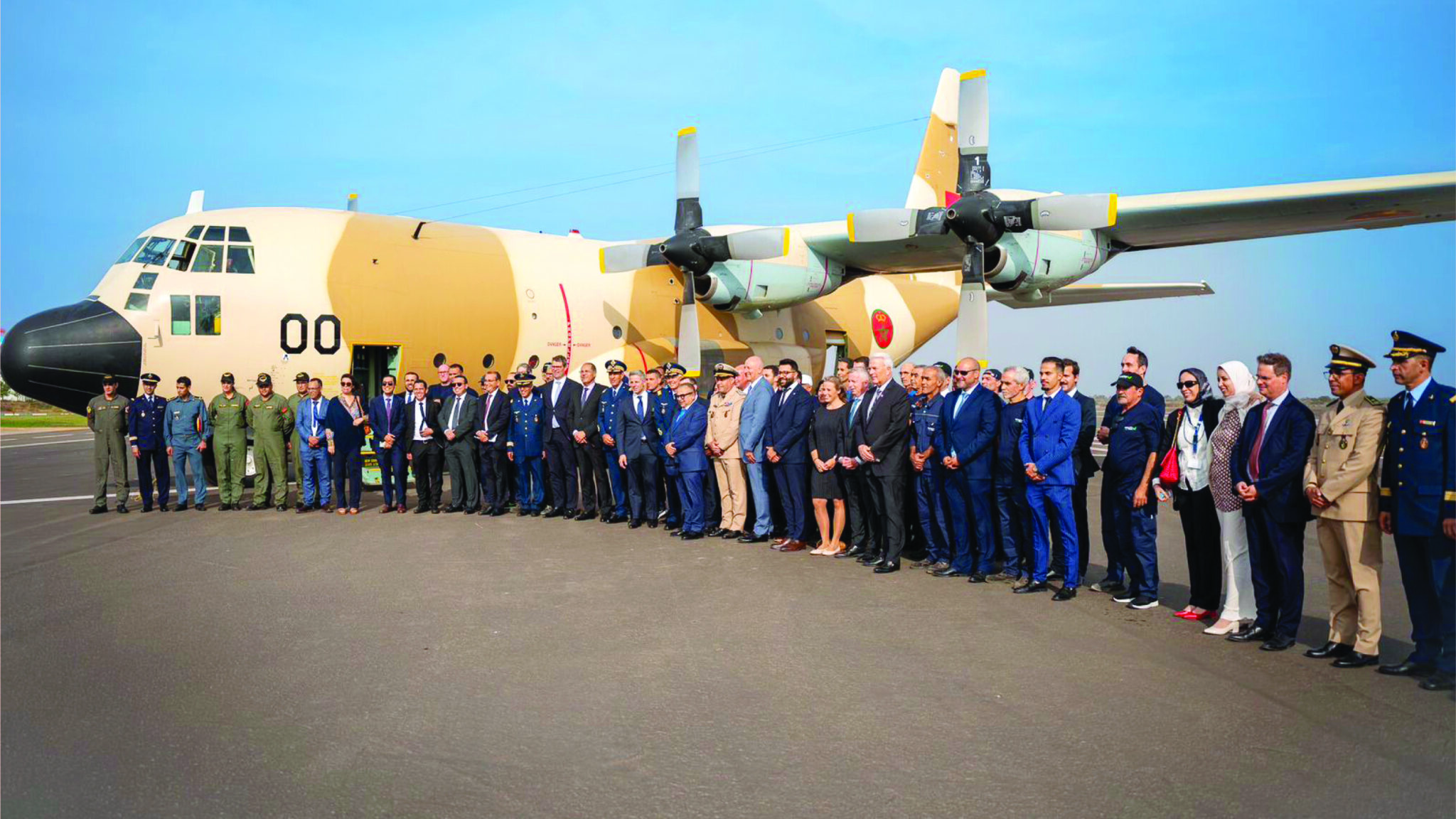
The decision to establish an MRO (Maintenance, Repair and Overhaul, or Maintenance, Repair and Revision) unit in Benslimane meets top-tier strategic needs for the Royal Air Forces.
Until now, Moroccan C-130 aircraft had to be sent to Europe or the United States for overhaul, maintenance, or refurbishment operations, involving significant costs and, above all, prolonged immobilization that deprived the Royal Air Forces of their aircraft for long months.
The installation of a heavy maintenance center in Benslimane completely changes the equation: Morocco saves financial resources, drastically reduces periods of unavailability, and improves the operational readiness rate of its air fleet. Yet this operational readiness rate is a decisive criterion in the real power of an army, as can be seen today on the Ukrainian theater.
Indeed, in a high-intensity conflict with a high attrition rate, the ability to quickly return aircraft, vehicles, and armored equipment to service makes all the difference.
This unit will also benefit allied African countries, several of which operate C-130s. For them, having a regional maintenance capability will offer shorter turnaround times, far lower costs than European or American options, and easier access to internationally recognized expertise. In other words, Morocco is not merely building a factory; it is constructing a regional aerospace support ecosystem.
This choice also fits into a coordinated planning process. Nothing has been left to chance in the placement of defense industrial zones. The architects of this project – the National Defense Administration as project owner, supported by the General Staff of the Royal Armed Forces – have designed a truly strategic industrial map.
Alongside them, the CDG is leveraging its experience in the design and management of industrial and technological zones to structure and develop the Benslimane Defense Industrial Zone (ZID).
The location of Benslimane is a highly strategic choice. Situated in immediate proximity to the major aeronautics zone of Nouaceur, which includes the Aeropole, the Institute of Aeronautics Trades, the AMC Cluster, and the entire subcontracting ecosystem linked to Safran and international manufacturers, this zone will benefit from a natural pool of skills, subcontractors, and production capabilities able to quickly adapt their components to the needs of Lockheed Martin, Baykar, or Elbit Systems.
The proximity of the port of Casablanca, the future export gateway for equipment produced in Benslimane and Berrechid, will further strengthen this advantage.
Finally, the installation of future sites for Baykar, Lockheed Martin, or Elbit Systems within a military zone itself is not insignificant. Benslimane already hosts several military facilities and an airfield, offering a secure, protected environment far from prying eyes.
This is imperative when one considers that the development of a cutting-edge military industry inevitably attracts attempts at industrial espionage and technological covetousness. Within this protected enclosure, engineers and technicians will be able to work calmly, innovate, assemble, and test sensitive technologies and equipment without concern for outside interference.