Kingdom
Barrage Oued El Makhazine: No Malfunction Recorded Despite Exceeding Capacity
The Director General of Hydraulics at the Ministry of Equipment and Water gave an update on the situation of the dam, which currently exceeds its normal capacity.

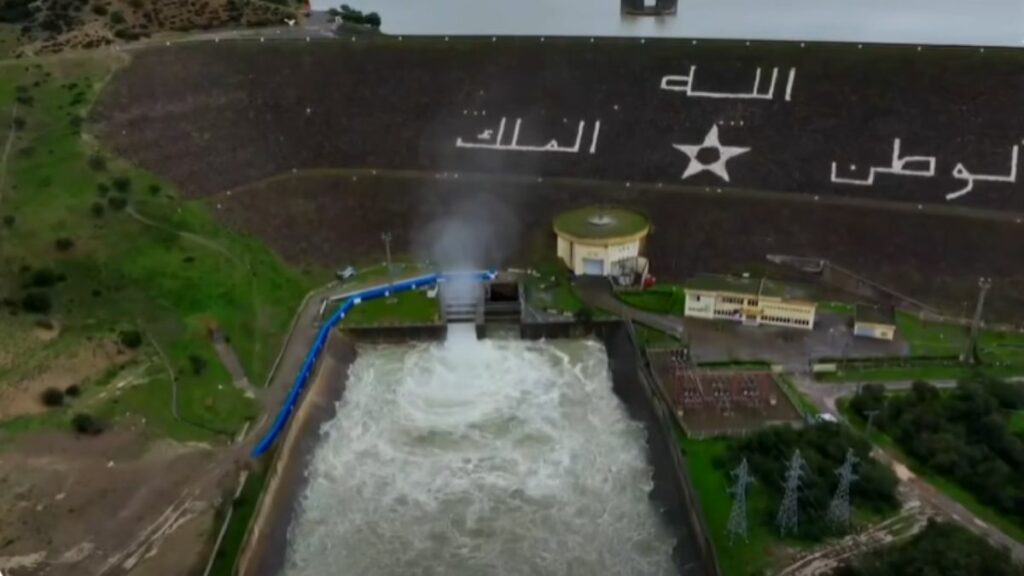
The Director General of Hydraulics at the Ministry of Equipment and Water, Salaheddine Dahbi, stated on Wednesday in Rabat that no malfunctions or unusual signs have been recorded at the Oued El Makhazine dam and its facilities, despite exceeding its normal capacity since January 6th.
During a statement to the press at the Ministry of the Interior regarding the exceptional hydrological situation at the Oued El Makhazine dam until February 4th, Dahbi mentioned that the dam had exceeded its normal capacity since January 6, 2026, with water reserves surpassing the historical level recorded since operations began in 1972 by four meters. Despite this, he emphasized that to this day, the dam and its equipment have experienced no malfunctions or unusual signs.
The Director of Hydrology, Dahbi, added that the Oued El Makhazine dam received significant water inputs amounting to 972.9 million cubic meters during the period from September 1st, 2025, to February 4th, 2026. This includes 716.8 million cubic meters, or 73.68%, recorded in the last two weeks alone. He noted that this volume exceeded the annual average by 184%, leading to a rise in water storage to 988 million cubic meters as of February 4th, 2026, achieving a fill rate of 146.85%.
In response to this situation, he continued, preventive and proactive water releases were conducted, with a total of 372.9 million cubic meters of water discharged.
In light of weather forecasts indicating a potential increase in water inflow in the coming days, Dahbi noted that the technical monitoring system has been enhanced and now involves two daily measurement sessions instead of the monthly one, with specialized teams conducting thorough monitoring.
He added that due to these forecasts, the next seven days might see significant developments. The ministry conducted a detailed hydrological simulation, using hourly calculations instead of daily, to estimate water inflows, which are expected to reach nearly 620 million cubic meters. This would lead to maximum dam capacity and a water flow of 3,136 cubic meters per second, while discharges could reach 1,377 cubic meters per second, which is four times the current discharge rate. Additionally, flood-prone areas have been mapped, considering upstream water releases, to help identify preventive measures to ensure the safety of citizens and their property.
Dahbi affirmed that, in the face of these exceptional hydrometeorological conditions, the Ministry of Equipment and Water continues to take all necessary measures to ensure the safety of hydraulic installations and maintain their roles in regulating water inflow and providing flood protection. These efforts are coordinated with local authorities and stakeholders, in compliance with the High Directives of His Majesty King Mohammed VI.
On another note, Dahbi stated that after seven consecutive years of severe drought, the Kingdom has experienced a rainy period starting from September 1st, 2025, with a total rainfall of 145.5 mm, an increase of 32.5% compared to the annual average.
This situation has positively impacted water inflows, with 8.73 billion cubic meters recorded, raising the dam filling rate to 61.88%, with water storage reaching nearly 10.37 billion cubic meters, a level not seen since 2019. These inflows are considered exceptional, with 95% recorded in less than two months, requiring controlled water releases from several dams to maintain capacity and ensure safety.
In this context, the Ministry of Equipment and Water, in coordination with Basin Agencies, is conducting intensive and continuous monitoring of the condition of dams and hydraulic structures. Specialized teams are performing hydrological simulations based on weather predictions to develop appropriate management plans, ensuring the safety and continuity of dam operations.