Kingdom
BAD: Morocco becomes Africa’s leading industrial economy
The Kingdom overtakes South Africa, thanks to sustained industrial upgrading, diversification of exports, and a strong industrial policy.

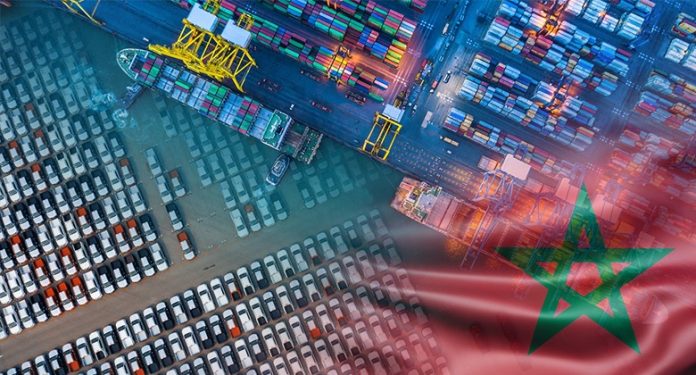
Morocco has overtaken South Africa to become the leading industrial economy on the African continent, according to the African Development Bank (AfDB) report on the 2025 Africa Industrialisation Index (AII).
This performance is driven by sustained industrial upgrading, export diversification, and a strong industrial policy, the report notes. It was presented alongside the very first African Industrial Investment Barometer (AfIIB), developed by WITBA Invest SA in partnership with Trendeo, during a panel held on the sidelines of the AfDB Annual Meetings.
Together, the two reports provide the most detailed picture to date of the countries industrialising the fastest, the destinations attracting investment, and the share of value generated that remains on the continent.
They share a common finding: Africa’s industrial integration remains weak. Intra-African trade accounts for only 14.4% of total trade, reflecting limited regional production linkages and fragmented industrial ecosystems.
The AII 2025, which assessed industrial development across 54 African countries over the period 2010–2024, finds that 41 countries have improved their industrialisation scores, with overall continental performance increasing by 6%. The most significant gains were recorded among the least-performing economies, suggesting convergence.
However, significant gaps remain. Africa accounts for less than 2% of global manufacturing output and only 1.4% of manufactured exports, while manufacturing value added per capita has fallen below pre-2014 levels.
Highlighting that North and Southern Africa dominate both production and export sophistication, the AII calls for moving beyond tariff reductions toward functional economic corridors, high-quality infrastructure, and harmonised standards—anchored in the African Continental Free Trade Area (AfCFTA).
The AfIIB, for its part, examines African industrialisation through three indices: industrial diversification, attractiveness, and productive anchoring, the latter measuring the degree of local integration of investments.
North Africa ranks first across all three, attracting 56% of cumulative continental investment between 2020 and 2025, with Morocco and Egypt leading.
Furthermore, both reports identify key levers for industrialisation, including access to reliable and competitive energy, cross-border industrial infrastructure, long-term financing in local currency, investment in technical skills, and the harmonisation of standards.
The AfIIB also urges African industries to decarbonise now to avoid being structurally disadvantaged by carbon border adjustment mechanisms that Europe and the United States are expected to impose over the coming decade.
The AfDB Annual Meetings 2026—which include the 61st Annual Meeting of the Bank’s Board of Governors and the 52nd Annual Meeting of the Board of Governors of the African Development Fund—are being held until 29 May under the theme “Mobilising resources at scale to finance Africa’s development in a fragmented world.”