Business
Aviculture: A Market in Rebalancing
Faced with rising red meat prices, poultry is becoming an alternative for Moroccan households. A trend that is reshaping the balance of the poultry market, involving sustained production, product diversification, price pressures, and challenges to overcome.

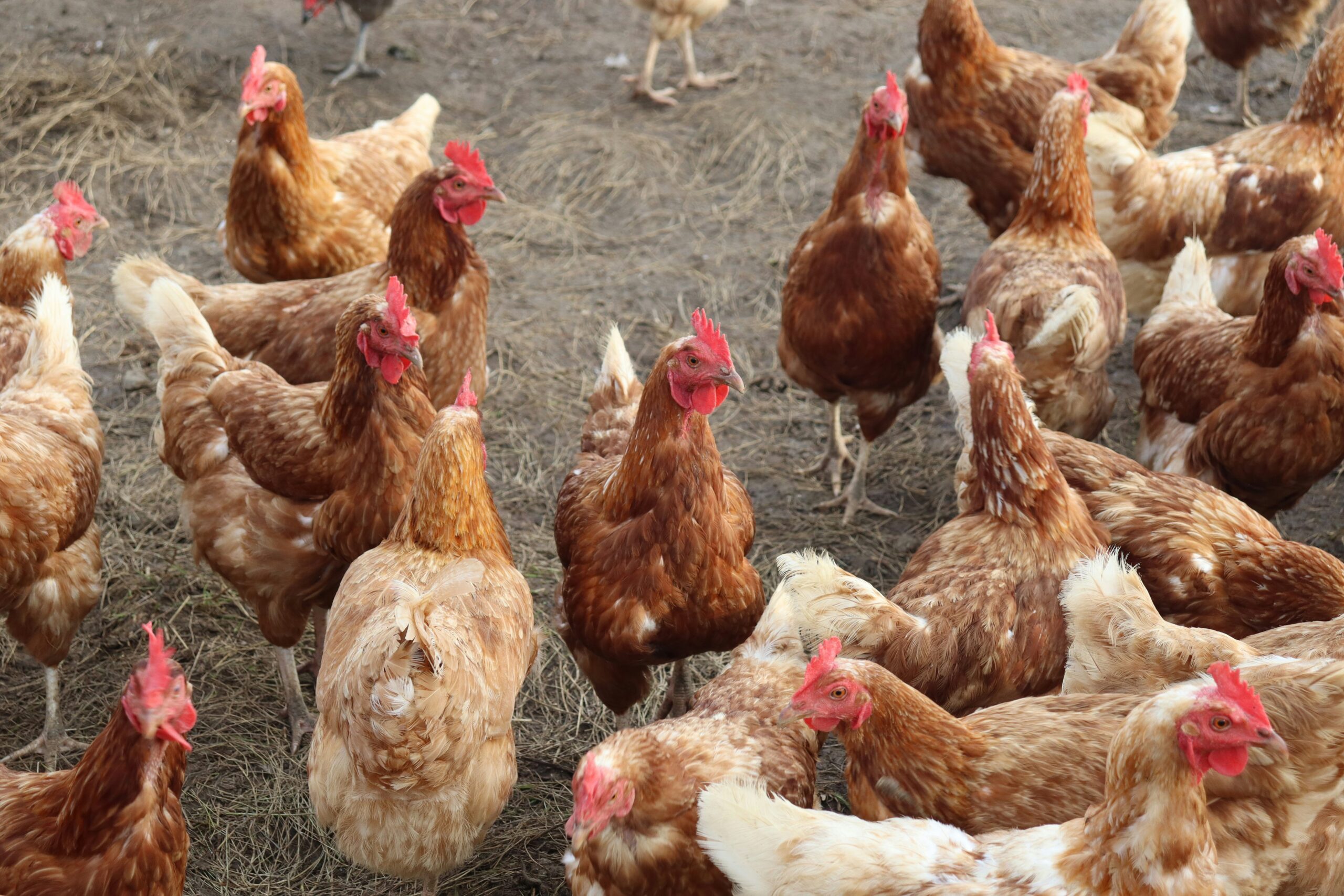
Aviculture, considered one of the strategic sectors for food security in Morocco, is initiating a recovery dynamic marked by increased diversification of supply, both in terms of breeds, yields, and prices.
After the turbulence induced by the health crisis, the sector is regaining its breath. One need only observe supermarket shelves to see, firsthand, the richness of the poultry product offerings, whether whole, cut, or processed poultry, or eggs of different categories.
According to Youssef Alaoui, president of the Poultry Sector Interprofessional Federation (FISA), “in broiler farming, we primarily find breeds like Cobb 500, Ross 308, Sasso, or Hubbard, recognized for their rapid growth and high meat yield.
On the layer side, Hy-Line, Lohmann Brown Classic, Isa Brown, and H&N breeds dominate, ensuring constant productivity and regular egg production.”
It is important to emphasize that over 90% of these breeds are imported, mainly from Spain, although they are developed in the United States and France. However, their presence in the Moroccan market does not supplant national products.
Brown-shelled eggs, preferred by local consumers, maintain their dominant position. Similarly, Moroccan broiler chicken, identifiable by its specific coloring, continues to enjoy an image of freshness and quality.
A Notable Decline
Whether locally sourced or imported, poultry and eggs have experienced a rising price trend over the past year and a half, which has eased since the beginning of this week.
Indeed, farm prices are stabilizing around 14.5 DH per kilogram, after having remained between 17 and 18 DH for several months. The final price paid by consumers, which had reached up to 32 DH per kilogram, is currently negotiated around 22 DH.
A notable decline, though still far from pre-Covid levels, which ranged between 18 and 20 DH in some regions.
Eggs are following a similar trajectory. After having exceeded 1.70 DH per unit, they are now sold at 1.50 DH. A development that is certainly more favorable to consumers, but remains above pre-pandemic prices.
Catch-Up Effect
Several factors explain this trend. The summer season, traditionally marked by high consumption due to various festive events and the return of Moroccans residing abroad, naturally drives prices upward.
Added to this are episodes of intense heat that directly impact productivity and increase mortality rates in farms, which can reach up to 20% in some regions.
However, despite these pressures, production remains sustained. This is by no means a demand issue. On the contrary, this dynamic is interpreted by professionals as a catch-up effect, an attempt to compensate for losses incurred during nearly two years of the pandemic.
“Breeders accumulated daily net losses during the health crisis. They are beginning to recover, supported by the rebound in consumption, tourism, hospitality, and catering,” explains Alaoui. This gradual recovery has mechanically led to a price increase.
Another significant factor amplifies this dynamic: the shift in demand from red meat (which has become unaffordable for a large segment of the population) to poultry.
Faced with the constant increase in beef and lamb prices, Moroccan households are turning en masse to poultry proteins. This price-driven substitution effect is reinforced by a global trend toward healthier, lower-calorie, and more economical eating habits.
Thus, poultry is becoming not only a nutritional alternative but also a response to household budget constraints.
Persistent Challenges
Despite encouraging signs, the sector continues to face major structural challenges. The proliferation of traditional slaughterhouses, the lack of modern infrastructure, and insufficient regulation of distribution channels hinder its development.
Alaoui emphasizes: “The modernization of slaughterhouses is progressing, notably with the launch of a pilot operation in the Nouaceur province. But efforts remain below the sector’s ambitions.”
Nevertheless, initiatives are emerging, particularly in the Casablanca and Taroudant regions, where industrial slaughterhouses are mobilizing investments of nearly 700 million dirhams each.
Other medium-sized slaughterhouses, between 500 and 1,000 m², are being established, with average investments of 5 million dirhams. FISA plays a central role in this ecosystem by providing technical support to project leaders until they obtain health authorizations issued by ONSSA.
Preserving the Local “Beldi” Breed
Beyond imported breeds, Morocco has its own heritage: the traditional “Beldi” breed, highly prized for the flavor of its meat and the distinctiveness of its eggs.
To preserve it, the Federation is involved in a large-scale project aimed at protecting the local poultry heritage. In partnership with INRA (National Institute of Agronomic Research) and Italian experts, a scientific program to characterize this breed is underway.
Objective: to enhance this rustic breed, adapt it to sustainable farming systems, and make it a high-value-added product, both culturally and economically.