Kingdom
Apprenticeship training: 45,000 beneficiaries in 2026, the government aims for 100,000
The government now intends to reach 100,000 beneficiaries by the end of the year, by expanding access to 606 professions and increasing the financial support granted to training companies.

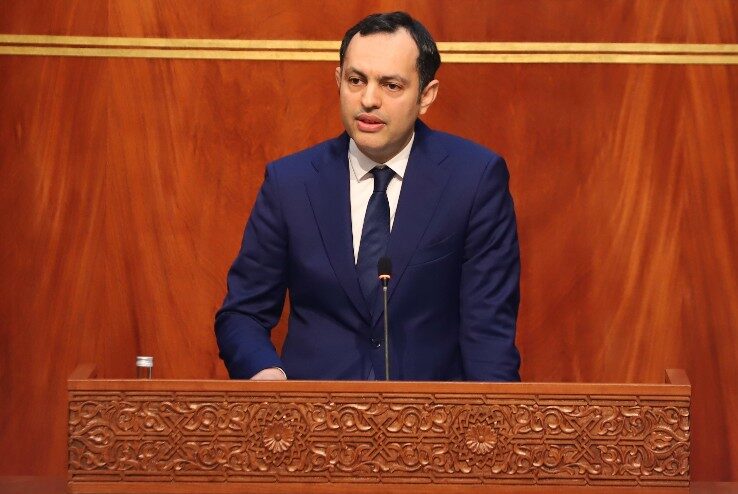
A total of 45,000 people are benefiting from the apprenticeship training programme for the year 2026, a figure that represents a clear increase compared to previous years, when the annual number of beneficiaries ranged between 9,000 and 20,000, said the Minister of Economic Inclusion, Small Business, Employment and Skills, Younes Sekkouri, on Tuesday in Rabat.
The government aims to reach 100,000 beneficiaries during the current year, in partnership with the various stakeholders and relevant departments, Mr. Sekkouri stated in response to an oral question on “the progress of the apprenticeship training programme.”
The government has chosen to strengthen this training model given the high number of unemployed people without qualifications, which stands at nearly 900,000, he explained, noting that the number of people who previously benefited from this programme was insufficient to address this situation.
He also pointed out that the programme covers various sectors, including agriculture, maritime fishing, crafts, tourism, and medical assistance, recalling that at the end of the training, beneficiaries receive a state‑accredited diploma.
In this regard, the minister noted that his department has revised the list of trades covered by apprenticeship‑based vocational training, through a decision published on May 4, which includes 606 professions, with a precise definition of the required skills for each trade, the training method (theoretical and practical), and its duration, which ranges from 6 to 22 months depending on the specialty.
The government has also increased the amount of annual support granted to institutions and companies hosting beneficiaries of this programme, raising it to 5,000 dirhams per apprentice, with the aim of covering training costs and the raw materials used, he added, noting that the age range of beneficiaries has also been expanded, with the upper age limit raised to 50 years.
This measure, he continued, aims to allow previously excluded groups—particularly women working in cooperatives—to benefit from apprenticeship‑based vocational training.
Referring to the results of the social dialogue, Mr. Sekkouri stressed that the government is concluding its current mandate with an “honourable record”, mobilising more than 49 billion dirhams, which has led to several concrete social advances.
These achievements were made possible thanks to the important role of social and economic partners, through successive rounds of social dialogue that enabled income increases for more than 4.25 million civil servants and employees, in addition to an increase of around 20% in the minimum wage (SMIG) in the non‑agricultural sector, rising from 2,800 dirhams at the beginning of the mandate to around 3,400 dirhams today, he explained.
Similarly, he recalled that the minimum wage in the agricultural sector (SMAG) has also increased by around 530 dirhams, along with salary increases of 1,000 dirhams paid in two instalments, as well as the revision of income tax, which resulted in an average gain of 400 dirhams per month for middle‑class households.
Furthermore, Mr. Sekkouri noted that sectoral dialogues have led to significant gains for tens of thousands of civil servants, particularly in the education sector, which includes around 330,000 beneficiaries.
He also mentioned the draft law amending and supplementing the Labour Code, approved by the government, which aims to reduce the working hours of security personnel from 12 to 8 hours per day, in addition to new provisions introduced in the special status of labour inspectors.