Influences
An Emerging Morocco Also Means Greater Democracy and Social Equality
An emerging country is first defined by the strength and performance of its economy. Equally crucial are functional institutions, a legislative framework fostering democratic governance, and an equitable wealth redistribution system.

An emerging Morocco cannot be defined solely through economic terms. While economic factors – whether growth, industry, finance, or infrastructure – undeniably play a predominant role (a reality Morocco recognized over two decades ago), the reinforcement of democratic institutional practices and consolidation of social welfare mechanisms hold equal significance. This dual understanding, demonstrated through the 2011 constitutional reforms and subsequent social policies, confirms Morocco is not only on the correct path but already substantially advanced in this process.
To cite three recent examples that confirm this progress: The legislative process surrounding the new Civil Procedure Code stands as a textbook case of institutional and democratic practice. We witnessed how the draft law sparked public debate involving civil society through bar associations and public funds watchdog NGOs, followed by constitutional institutions like the National Human Rights Council (CNDH) and the Economic, Social and Environmental Council (CESE), and ultimately the Constitutional Court. This process equally involved elected representatives through over a thousand amendments proposed by both opposition and majority parliamentary groups. Crucially, the First Chamber President’s voluntary decision to refer the text to the Constitutional Court – motivated solely by public interest and legislative excellence – led to identifying unconstitutional provisions slated for repeal. The Court’s definitive ruling crowned an intense debate process that constitutional judges ultimately resolved, exemplifying democratic mechanisms functioning optimally.
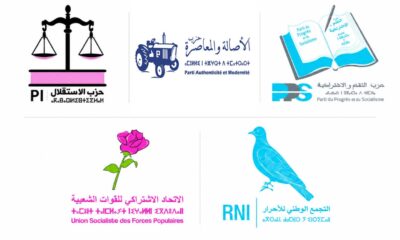
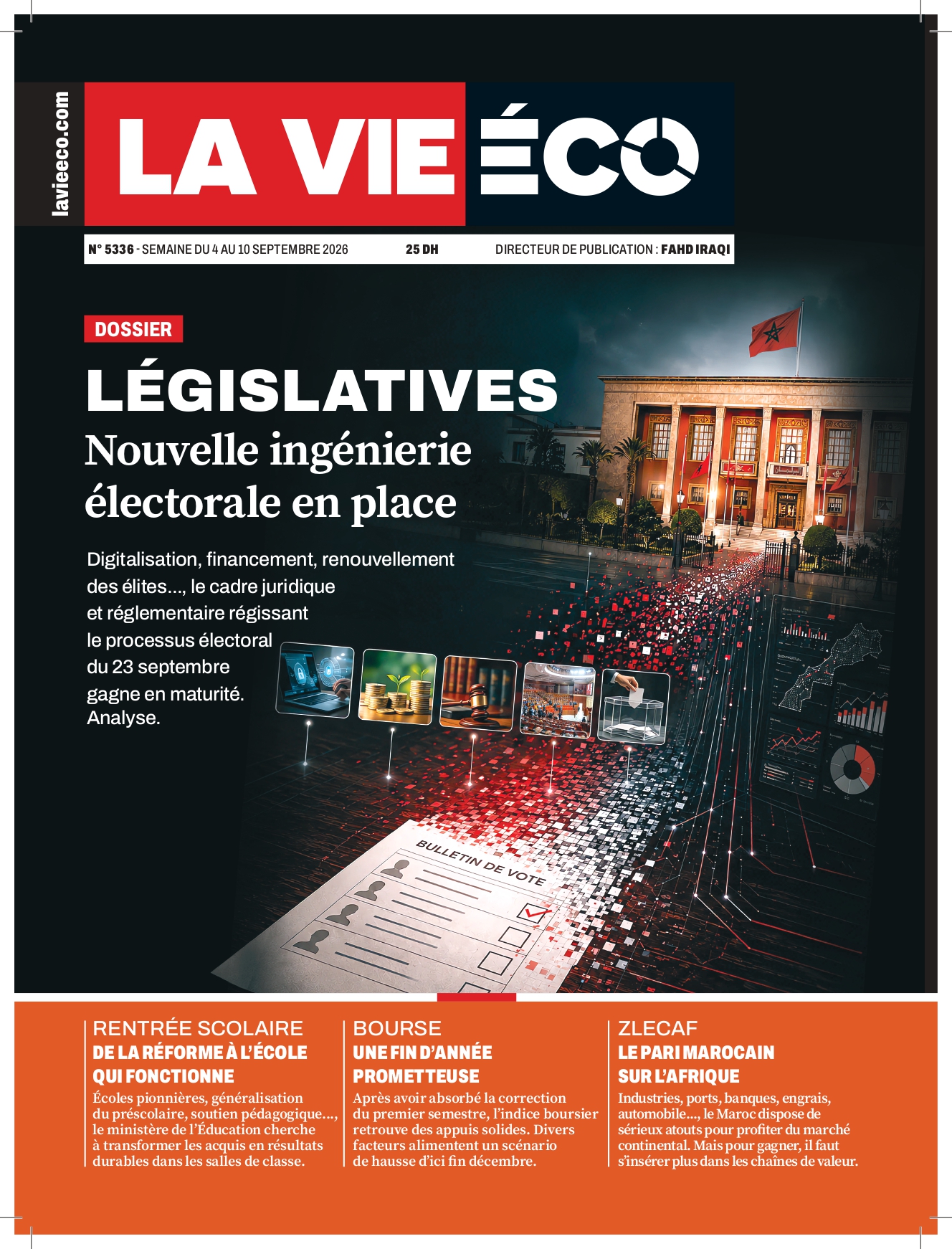
Another significant case embodying democratic consultation principles involves the Royal directives to the Interior Minister initiating dialogue on electoral law reform. That Morocco systematically refines electoral statutes every five years preceding legislative deadlines constitutes healthy institutional practice in itself. This continual improvement process progressively enhances electoral credibility and strengthens resulting institutions, particularly the House of Representatives. With 2026 elections approaching, consultations have commenced through two meetings with political party leaders, who have already submitted proposals. As emphasized in the July 29 Royal Address, the objective remains to ‘prepare a comprehensive House of Representatives Electoral Code for adoption and public dissemination before year’s end.’ The new electoral framework – incorporating demographic shifts, social evolution, and urban dynamics reflected in 2024 census data – will thus be established well in advance of September 2026 deadlines. Notably, as with previous cycles, electoral calendars continue being strictly observed, confirming Morocco’s enduring political and institutional stability – a privilege few nations enjoy.
Social Assistance: An Empowerment Lever
An emerging Morocco equally manifests through social stability. While development indicators remain favorable, the Kingdom has achieved significant human development progress in recent years. Surpassing the 0.700 HDI threshold – enabling its classification among high human development countries per UNDP criteria for the first time – crowns sustained social policies that the government plans to intensify next year. As outlined in the framework memo distributed by the Head of Government to cabinet members during 2026 Finance Bill preparations: ‘2026 marks a pivotal shift in state social intervention, transitioning toward targeted, effective impact in implementing social policies and programs.’
This new model’s ambition, the document continues, ‘aims to generate measurable social impact by evolving from assistance-based approaches to making social support an empowerment tool – contingent on human development criteria like child schooling, regular medical checkups, vaccination rates, and disability prevention.’ While maintaining educational reforms, equitable access to quality public schools, universal healthcare, and improved housing conditions, direct social aid now incorporates criteria beyond recipient precarity for refined targeting. With nationwide electrification achieved, the National Water Plan ensures universal potable water access. Territorial inequality reduction remains prioritized through advanced regionalization.
Concurrently, the Executive Branch has laid social welfare state foundations by boosting citizen purchasing power – a key domestic consumption driver that reciprocally enhances macroeconomic indicators. This trajectory continues through pension system reforms, expanding social safety nets. Morocco thus enters a virtuous cycle where strengthened democratic practices, improved social/development metrics, and effective economic policies jointly stimulate job creation and wealth generation – wealth subsequently redistributed equitably through democratic mechanisms and robust social safeguards. These elements form an inseparable whole.
Economic Momentum Continues
The coming year will witness the commissioning of the new Nador West Med port, initial electric battery production, launch of naval industries, expansion of water desalination programs (with significant allocation to agriculture), implementation of the gas development plan, green hydrogen production, among other large-scale projects – all constituting transformative ventures. This confirms 2026 as a continuation of Morocco’s consolidated economic transformation drive, propelled by resolute political will and ambitious sectoral strategies.
This phase signals renewed momentum for Morocco’s aspirations to enter a new development era, reinforcing its position as an emergent nation. To sustain this trajectory, Morocco has adopted an unprecedented investment approach where public spending acts as the primary engine, complemented by crucial private sector participation through activated Public-Private Partnerships – particularly in water and energy infrastructure. This approach is anchored in targeted investment policies focusing on high-value-added sectors and stable job creation.