Business
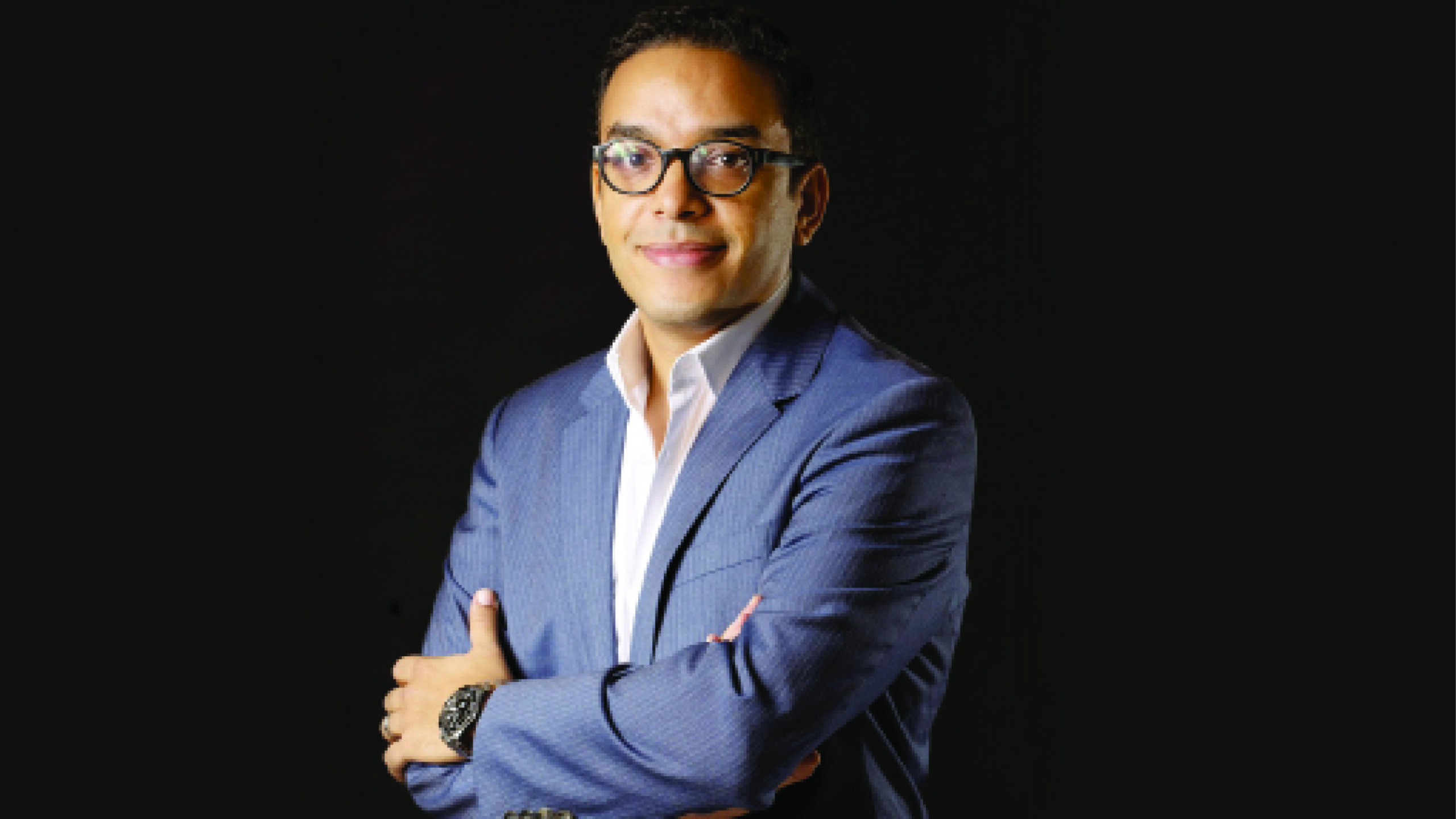
Amine El Azher: “2026 Could Be a Better Vintage”
The mergers and acquisitions market was particularly dynamic in 2025. Yet, in the view of the founder of investment bank Arden Capital, an expert in strategy, finance, and private equity, 2026 could be a better vintage.

Private equity funds and international financiers are among the key players in Morocco’s M&A market.
In this interview, Amine El Azher analyzes, among other things, the predominant role of the private equity industry, while explaining the growing interest of international financiers in Moroccan groups.
What can we expect in 2026 in terms of dynamism and sector dominance in Morocco’s M&A market?
2026 could be a better vintage than 2025 both in terms of volume and value, with an acceleration of the observed trend and an expansion towards other players/sectors.
I am thinking in particular of the continued investment momentum in healthcare, construction, logistics, and distribution.
The arrival of new structuring IPOs (in preparation), the deployment of thematic funds supported by the Mohammed VI Investment Fund will also boost the market, which will benefit from unprecedented leverage.
In your opinion, do the various private equity funds listed nationally invest enough in Moroccan companies?
I believe that the private equity industry, through the various existing funds, has created significant value through its investments in the Moroccan market (see recent impact report on the private equity industry in Morocco) and the figures demonstrate this: 16 billion dirhams invested and reinvested in 300 companies by the end of 2024 (with an acceleration in 2023 and 2024).
Private equity funds have supported the development and emergence of many national players (SMEs and large groups). This has helped to energize the market, particularly the stock market, with several success stories backed by funds (Akdital, Cash Plus…).
The momentum is visible and tangible. The goal now is to accelerate it and give it greater amplitude by broadening the base of companies invested in by the funds and increasing investment volumes.
This should, in my opinion, happen naturally due to the increased attractiveness of the private equity industry to Moroccan entrepreneurs and groups following the achievements observed in the market.
Other favorable factors include: the arrival of new investment funds (supported by the Mohammed VI Investment Fund as well as other financiers), the development of the secondary market for private equity, and the implementation by some private equity players of new, less generalized and more targeted investment strategies, which could revitalize certain sectors such as IT, healthcare, and financial services.
Finally, a word on the growing interest of international financiers (IFC, EBRD) in Moroccan groups. In 2025, some took stakes in the capital of certain national private groups (Holmarcom, Dislog Group)…
In 2025, institutions like the IFC and the EBRD indeed took direct stakes in major players such as Holmarcom and Dislog Group, strengthening capital and supporting growth.
With Morocco seen as a “safe haven” and “strategic hub” in a global perspective, the growing interest of international financiers in Moroccan private groups is explained by the Kingdom’s economic resilience, its regional stability, and its role as an attractive African hub for investments.
This gradual shift from a “lender” relationship to a “partner” one reflects deeper confidence in the Moroccan private growth model.
More specifically, the interest of international financiers is also explained by the new economic and strategic momentum of large Moroccan groups, which offer financiers the opportunity to invest alongside them in more attractive strategic development projects (in terms of size and impact) that are increasingly international, continental, or regional in scope.
The financiers’ interest is no longer based solely on financial solidity, but on the capacity of Moroccan groups to scale up, offering financiers a privileged entry ticket to invest in African growth via a secure Moroccan platform.
This also demonstrates that many Moroccan groups have achieved transparency and governance standards of a global level, reassuring international institutions about risk management.