Kingdom
Akhannouch highlights measures to support purchasing power
The Head of Government detailed the main measures implemented since 2021 to preserve and strengthen Moroccans’ purchasing power in the face of international crises.

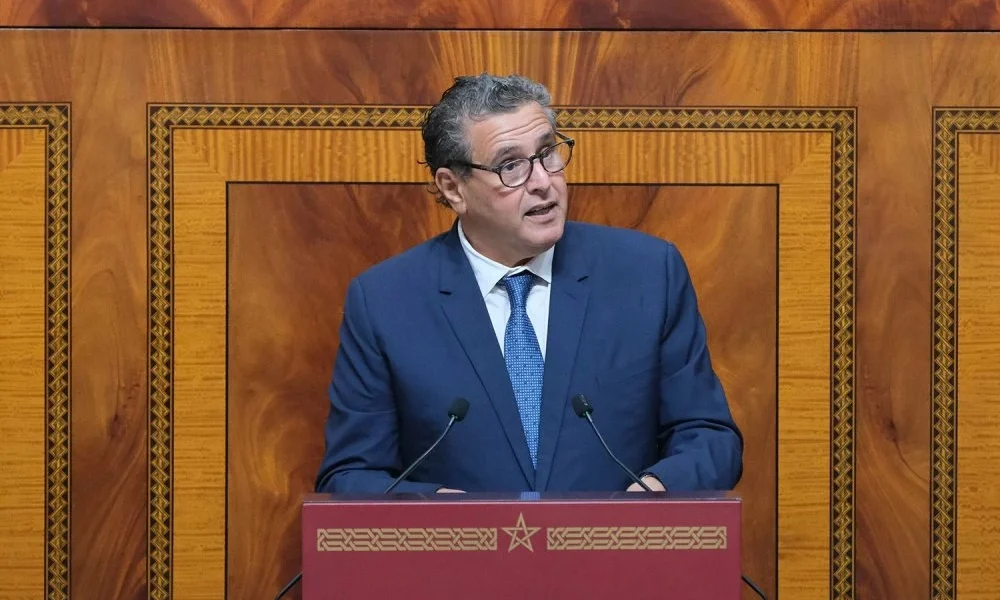
As part of presenting the government’s track record, Aziz Akhannouch emphasised the concrete measures taken since 2021 to protect citizens’ purchasing power. Faced with global shocks, particularly wars and climate-related disruptions, the government mobilised significant resources to stabilise prices and support households’ daily lives.
More than 152 billion dirhams were allocated, including 135.6 billion dirhams to the Compensation Fund to subsidise wheat, butane gas and sugar, along with an additional 17 billion dirhams to freeze electricity prices despite tensions on international markets. Direct support was also provided to transport professionals to limit the pass-through of rising costs to users.
In the housing sector, a direct aid programme was launched, offering 70,000 dirhams in urban areas and 100,000 dirhams in rural areas. To date, more than 96,000 Moroccans have benefited from this scheme to acquire their first home.
In addition, nearly four million vulnerable families receive monthly assistance ranging from 500 to 1,350 dirhams. The government has also implemented significant wage increases: the minimum wage (SMIG) has risen by 20%, the agricultural minimum wage (SMAG) by 25%, while the minimum salary in the public sector has increased from 3,258 to 4,500 dirhams, complemented by a general rise of 1,000 dirhams.
Thanks to these measures and income tax reform, the average net salary in the public sector has risen from 8,237 to 10,600 dirhams, benefiting more than 4.25 million citizens overall.
Aziz Akhannouch described this action as a responsible and rapid effort, reaffirming his government’s determination to continue this support policy until the end of its mandate.