Kingdom
Akhannouch: 368 Million Dirhams Allocated to the National Social and Solidarity Economy Strategy
The Head of Government confirmed that the momentum achieved in the social and solidarity economy has reached an advanced stage, specifying that the sector currently includes approximately 63,545 cooperatives, 22,914 of which were established between 2021 and 2025.

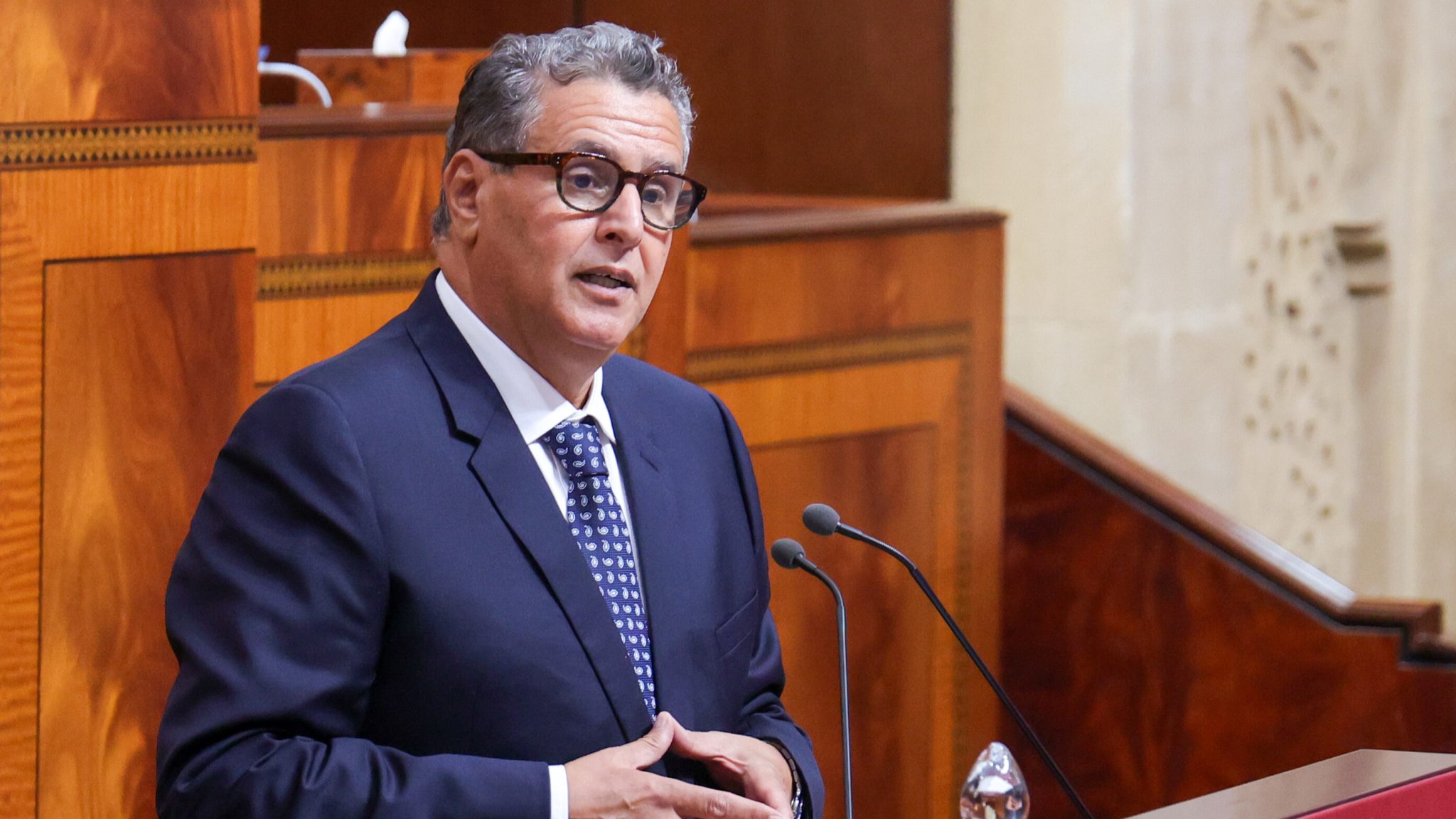
The Head of Government, Aziz Akhannouch, affirmed that the government has allocated a budget of 368 million dirhams for the implementation of the national social and solidarity economy strategy, aiming to support cooperatives and social enterprises, and to strengthen training and support programs.
He highlighted that this sector remains a strategic issue for job creation and combating all forms of social exclusion. Akhannouch made these remarks during a presentation on Monday at the House of Representatives during the monthly oral questions session on general policy, dedicated to the “role of the social and solidarity economy in the productive fabric and the strengthening of social and territorial development.”
Akhannouch emphasized the notable development this sector is experiencing, within the framework of the high concern that His Majesty King Mohammed VI has consistently accorded to the social and solidarity economy since His accession to the Throne.
In response to this constant royal interest, he added, the Executive has been aware of the real roles of this sector, which constitutes an essential lever for sustainable development, particularly in rural areas.
This necessitated revising the foundations for the development and upgrading of the social and solidarity economy ecosystem to establish it as a third sector, alongside the public and private sectors.
More than 63,000 Cooperatives
Confirming that the momentum achieved in the social and solidarity economy has reached an advanced stage, he specified that the sector currently includes approximately 63,545 cooperatives, 22,914 of which were established between 2021 and 2025.
These cooperatives bring together over 878,000 members, including 34% women, as well as 7,891 women’s cooperatives, he stated.
In light of this growing evolution, the government took the initiative to finalize the national “Mozara” program, which falls within the framework of contributing to the financing of development projects for social and solidarity economy organizations at the national level, he noted.
He explained that the program includes the rehabilitation, construction, supply, and necessary equipment for 325 cooperatives, as well as the creation of 100 new next-generation cooperatives, provided with the essential means to ensure a good start.
Aziz Akhannouch insisted on the necessity of seizing all opportunities to make the social and solidarity economy a true locomotive for the development of the national economy, and to include it among the possible solutions for achieving equitable and sustainable territorial development.
The goal, according to him, is to “transcend previous approaches to develop new programs capable of strengthening economic resilience and addressing various natural and climatic difficulties, particularly in rural areas.”