Business
AI Market in Africa: Up to $16.5 Billion by 2030
Nearly 230 million digital jobs are projected to be created in sub-Saharan Africa by 2030, but insufficient infrastructure, fragmented regulations, and a shortage of local talent remain critical challenges.

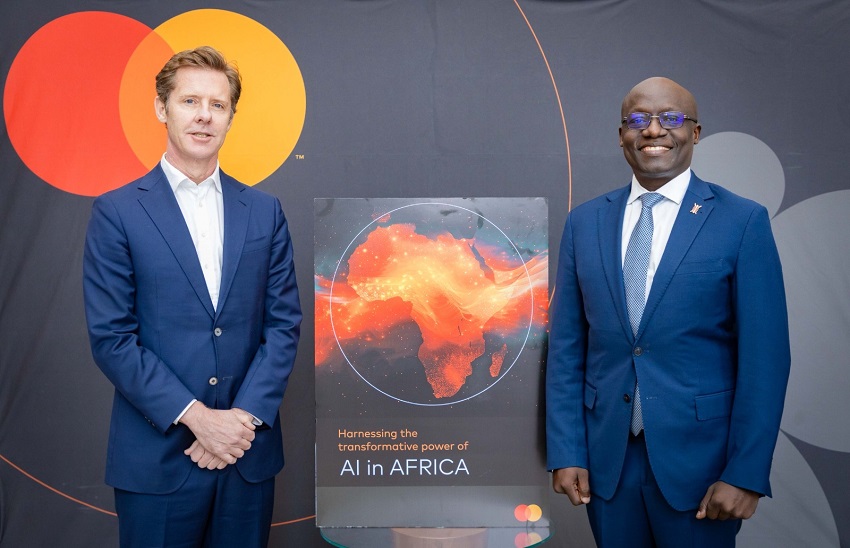
Mastercard published its latest white paper, “Harnessing the Transformative Power of AI in Africa,” on Thursday, September 4. This pan-African study examines the continent’s readiness, opportunities, and roadmap for fostering responsible artificial intelligence (AI) adoption.
The white paper provides detailed insights into how responsibly and inclusively deployed AI can unlock transformative outcomes in key sectors, including agriculture, healthcare, education, energy, and finance. Drawing on a recent Statista report—which forecasts Africa’s AI market to grow from $4.5 billion in 2025 to $16.5 billion by 2030—the document presents a clear case for multi-stakeholder collaboration and investment to advance AI development in Africa.
It highlights Africa’s unique demographics, mobile infrastructure, and entrepreneurial spirit, positioning the continent as a key player in shaping the future. Mark Elliott, Division President for Africa at Mastercard, remarked: “Africa’s commitment to remaining at the forefront of the global AI effort is already transforming lives—not just in labs, but across farms, clinics, and classrooms. To fully unlock AI’s potential, investments in infrastructure, data, talent, and public policy are critical. At Mastercard, we believe responsible, locally relevant AI can drive inclusive growth and connect more people to opportunities.”
The white paper underscores AI’s potential positive impact on digital infrastructure development, policy and governance, research and development, local language processing, and investment in Africa. It also analyzes how AI can accelerate job creation, predicting that over 230 million jobs in sub-Saharan Africa will require digital skills by 2030. Additionally, it highlights AI’s role in expanding access to formal financing through AI-based credit assessment and anti-fraud tools.
Greg Ulrich, Mastercard’s AI and Data Lead, stated: “AI’s power depends on the trust placed in it. At Mastercard, we are committed to creating responsible, inclusive AI designed to deliver value to our clients, partners, and employees. AI isn’t just innovation—it’s innovation built on integrity.”
Regional elements addressed in the white paper include several countries, such as Morocco.