Influences
Trend: “Ask Us Your Questions About Our Program, AI Will Answer You”
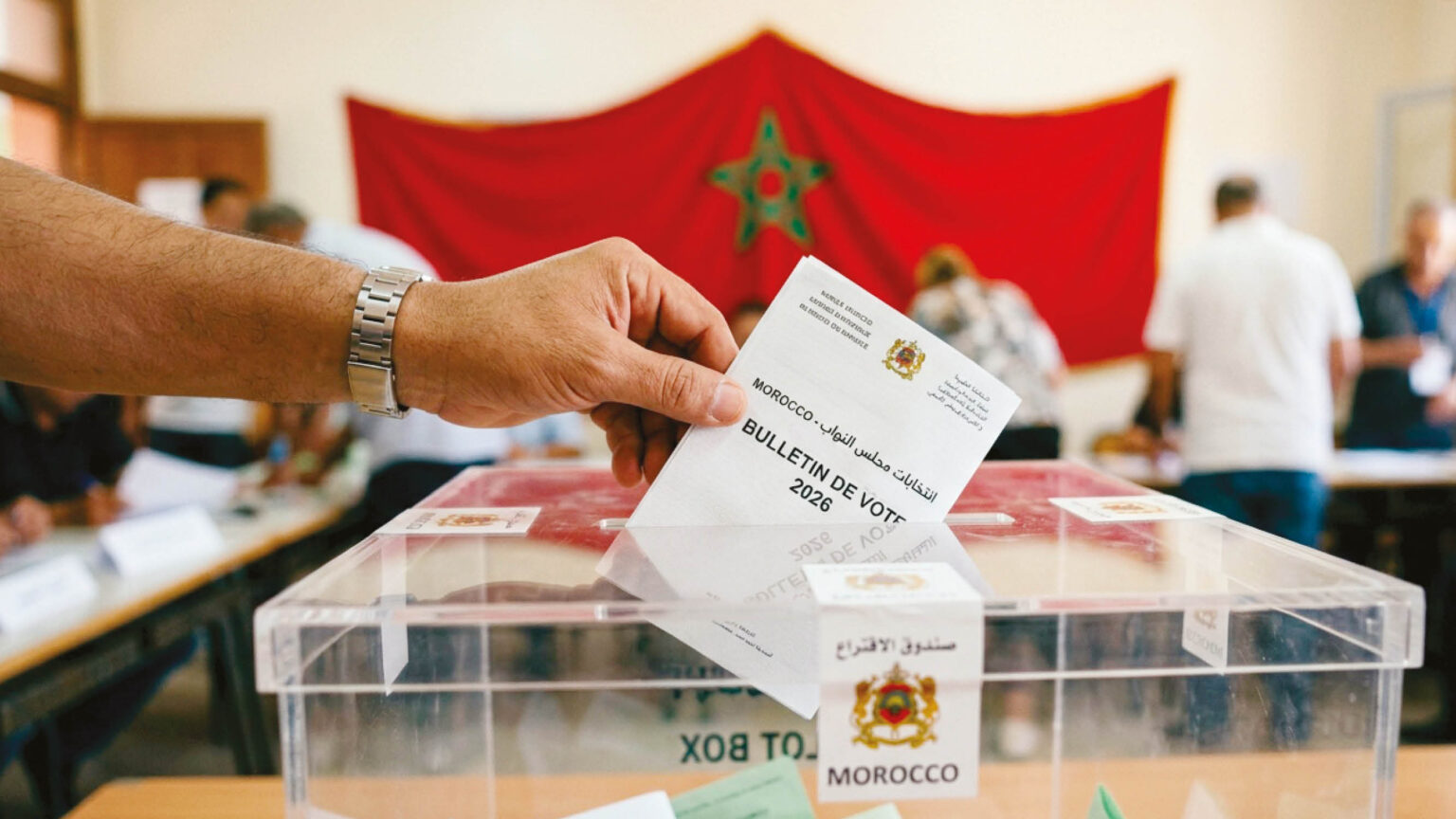
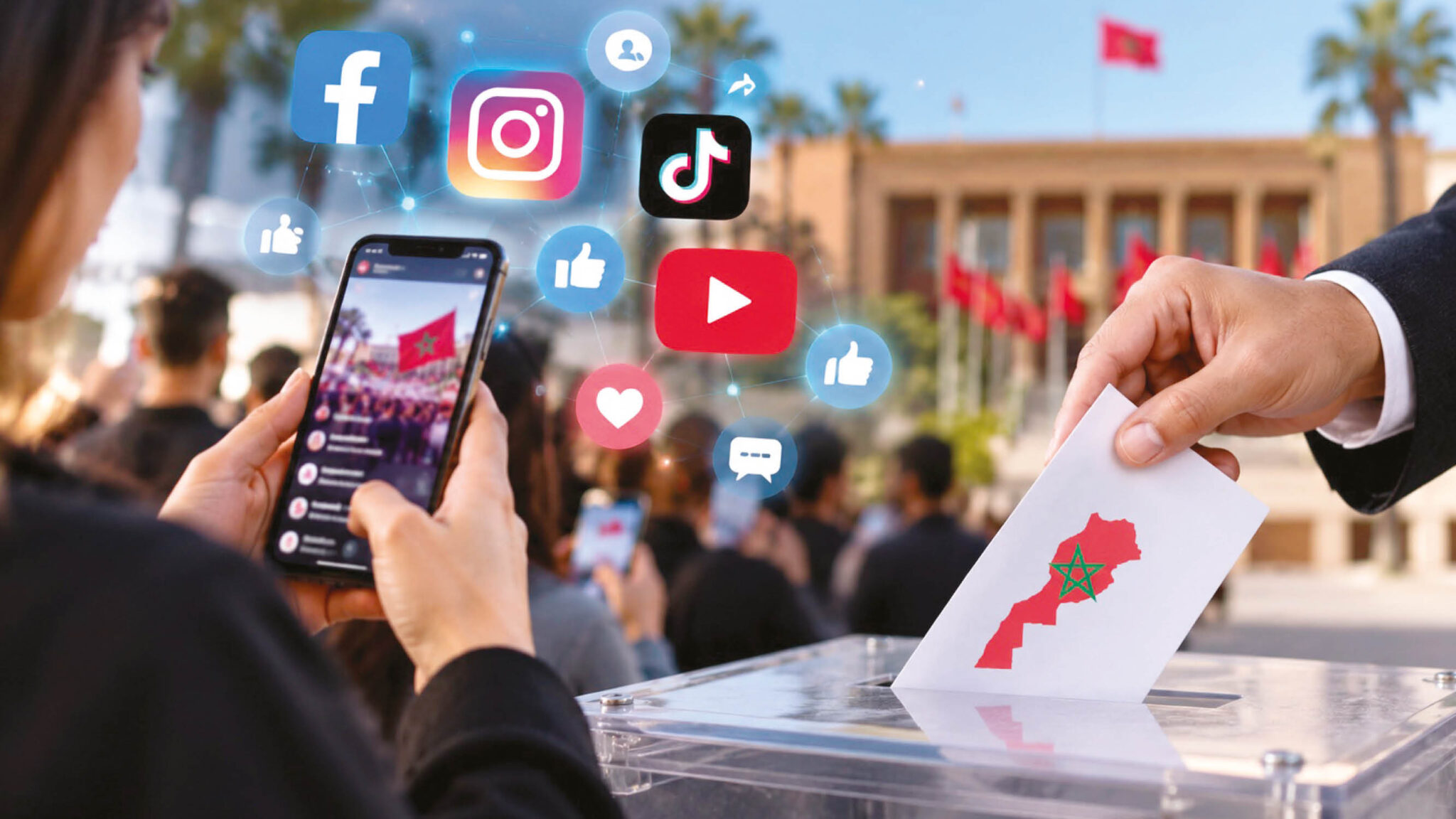
The change is real; the electoral campaign has gradually shifted toward the digital world, onto social media. Reels, punchlines, short messages, and online advertisements are competing with traditional neighborhood tours, the distribution of leaflets and flyers, and posters on walls. AI is making its entry this year.

“Do you have a question about the party’s electoral program? An automatic assistant will answer you directly on employment, housing, healthcare, education, purchasing power…”
The invitation was published, at the start of the electoral campaign, on the Facebook page of Nizar Baraka, leader of the Istiqlal Party, announcing the launch of a chatbot specifically for this campaign.
Even more, the same invitation suggests: “Ask it a question about any aspect of the program or tell it about your situation and it will show you what the program proposes. It speaks Darija, Arabic, French and English.”
Out go flyers, posters and other electoral leaflets, neighborhood meetings, and electoral campaign offices.
These practices have certainly not completely disappeared, but, according to some observers, they are on the verge of being replaced by social media, QR codes and AI.
The evolution is palpable. In the space of one legislative term, the change is here. In 2021, because of Covid, social media became necessary, particularly because of restrictions on meetings.
Five years later, in 2026, social networks and other digital platforms have transformed into a permanent campaign infrastructure, with video production, community management, sponsorship, targeting, short formats, influencers and audience segmentation. The whole package.
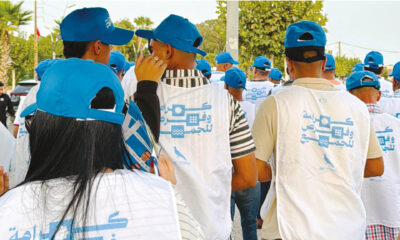
Nevertheless, popular rallies remain essential, especially in rural areas, on the outskirts of major urban centers and in certain areas.
However, “the battle for attention is now being fought on Facebook, TikTok, Instagram, YouTube and WhatsApp,” it is noted. The figures are there to support this trend.
More than 95% of Moroccans have a phone and an account. According to figures from the ANRT, Morocco has 41.08 million Internet subscriptions (penetration rate: 111.5%, March 2026).
In a study conducted at the beginning of this year, 74% of respondents said they first get their political information through social media.
A recent publication by the “Digital News Report” (2026) indicates that 59% of Moroccans have a Facebook account, 47% YouTube, 38% Instagram, 35% WhatsApp, 26% TikTok and 11% X.
Beyond conventional advertising, which several parties have used during this campaign, the “all-digital” approach is making its way.
Production of posters, visuals, texts, video scripts, translations (Darija, Amazigh, French): the digital revolution has made its mark.
AI is being brought in to help understand voters, analyze news feeds, segment audiences, and also for territorial targeting.
RNI, the pioneer
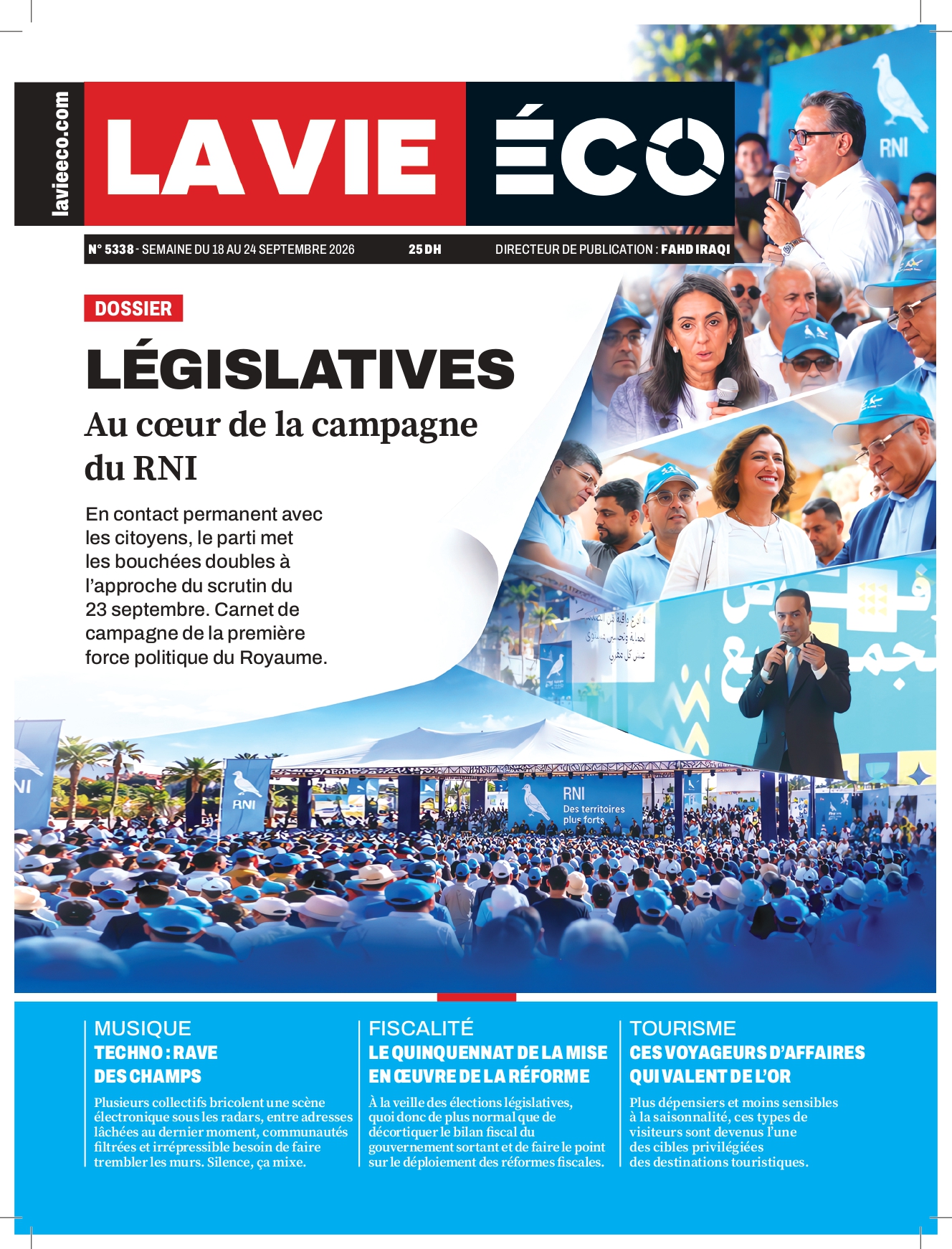
Any specialist in the field will readily affirm that the RNI has become a master of the digital domain.
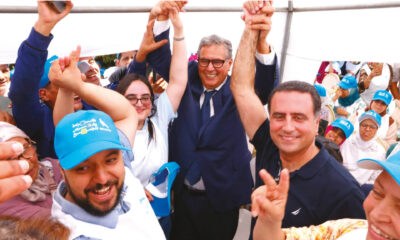
This obviously did not happen overnight. Over ten years, the party has traveled across the Kingdom, from North to South, meeting citizens in cities, mountains and the most remote areas.
From “The Path of Trust” (2017-2018, 13 stages, 12 regions), to “The Path of Achievements” (2025, 12 regions), there have been no fewer than around thirty stages.
Just a few weeks ago, the party had just completed another regional tour by members of its political bureau across the Kingdom.
Behind this practice of grassroots communication, advocated by the political formation for more than two decades, lies methodical information gathering. And it is precisely documented data that is making the difference today in the parties’ electoral campaigns on the Internet.
This is why the RNI is significantly ahead of the other political formations. While some parties continue to denounce, slander and even defame — with, above all, countless anti-Akhannouch punchlines — the RNI draws its “digital power” from data analysis, audience segmentation and targeted territorial communication.
A concrete example: the RNI’s program is presented, among other formats, through the story of a young Moroccan who wants to start his own business and is then shown the party’s proposal regarding savings.
The political program thus becomes an individual story that is easily consumable on TikTok/Instagram. The party nevertheless remains discreet about its digital communication strategy.
This is unlike Istiqlal, the first and, so far, only party to have officially announced, in May 2026, what it presents as the first AI-powered “virtual member” in the Moroccan political landscape.
It is an interactive model designed to simulate political debate and respond to citizens in real time, available 24/7. During this electoral campaign, the political battlefield has shifted massively to the Web and social media.
The overall level of advertising investment, across all political tendencies, is unprecedented. So is the legal framework, now strengthened and clearly regulating the use of artificial intelligence.
The world is changing, and digital technology in particular. The RNI, PAM, Istiqlal and, to a lesser extent, the PJD have understood this.
Two decades earlier…
Yet, we have come a very long way. Two elections ago, on the eve of the 2016 elections, the PJD was already the first party to understand the importance of social media.
Some of its officials, who had received training in this field from certain American institutions, made a major contribution to developing its digital strategy, with the launch of its official Facebook page as early as May 2011.
In 2016, this lead was clear. The party had more than one million fans on Facebook, far ahead of its competitors, particularly the PAM, which had just over 500,000.
The famous “electronic militias” were already at work, with thousands of supporters and highly active young activists. They conducted campaigns promoting the party’s government record and systematic attacks against political opponents.
Groups such as “The Knights of Justice” (Forsane Al Adala) had more than 132,000 members, according to figures published later.
The “Electronic Army to Fight Tahakoum” had more than 43,000 followers. The method was simple. First, the base. Each of the party’s 107 elected representatives was required to open a representative office in his electoral constituency.
One office, one permanent staff member, often a member of the youth organization (JJD), one computer and an Internet connection.
The rest of the workforce was built around this basic unit. The impact of this digital mobilization was considered “significant” during the 2015 and 2016 elections.
The PJD also praised the role of its “electronic army” in the aftermath of the October 7, 2016 election. Five years later, the context had changed radically.
The 2021 campaign took place under health-related constraints, forcing all parties to turn massively toward digital platforms.
The PJD then lost its advantage. The RNI and Istiqlal dominated the online campaign, collectively accounting for 55% of digital presence, relegating the Islamist party to third place.
Today, just like the PPS and USFP, the PJD’s digital campaign focuses on criticizing the government’s record, with electoral communication for the PJD monopolized by its “leader.”
Be that as it may, in the daily lives of Moroccans, the digital revolution is already underway. Digital technology and AI are gaining ground, often more quickly than expected. The electoral process, in all its phases, is no exception to this reality.
However, another reality puts this situation into perspective. Older people (those over 55 represent 39% of registered voters, while those over 60 represent 29%) and the rural world (45% of registered voters) carry significant weight in the verdict of the ballot boxes.
If, during the first six days of the campaign, parties’ popular gatherings were mainly concentrated in rural areas and in certain cities far from the major centers, everything suggests that their pace should accelerate in major urban centers. A hybrid campaign, to put it plainly.
When the legislator anticipates
The legal framework preceded the practice. Morocco legislated on “electoral AI” before the parties actually began using it on a large scale.
The new provisions criminalize the dissemination of AI-manipulated content, including falsified recordings and digital montages.
For its part, the CNDP published, on August 31, 2026, ten rules requiring, among other things, that any content produced by AI be clearly identified, in application of Article 447-2 of the Criminal Code.
HACA has done the same on the audiovisual side. This is a revealing signal in itself. The regulator is anticipating a risk rather than documenting an already widespread practice.