Kingdom
Agricultural campaign: All indicators turn green
The agricultural sector is once again experiencing particularly favorable prospects, thanks to the return of rainfall. However, behind this improvement, the issues of food sovereignty and resilience remain as relevant as ever.

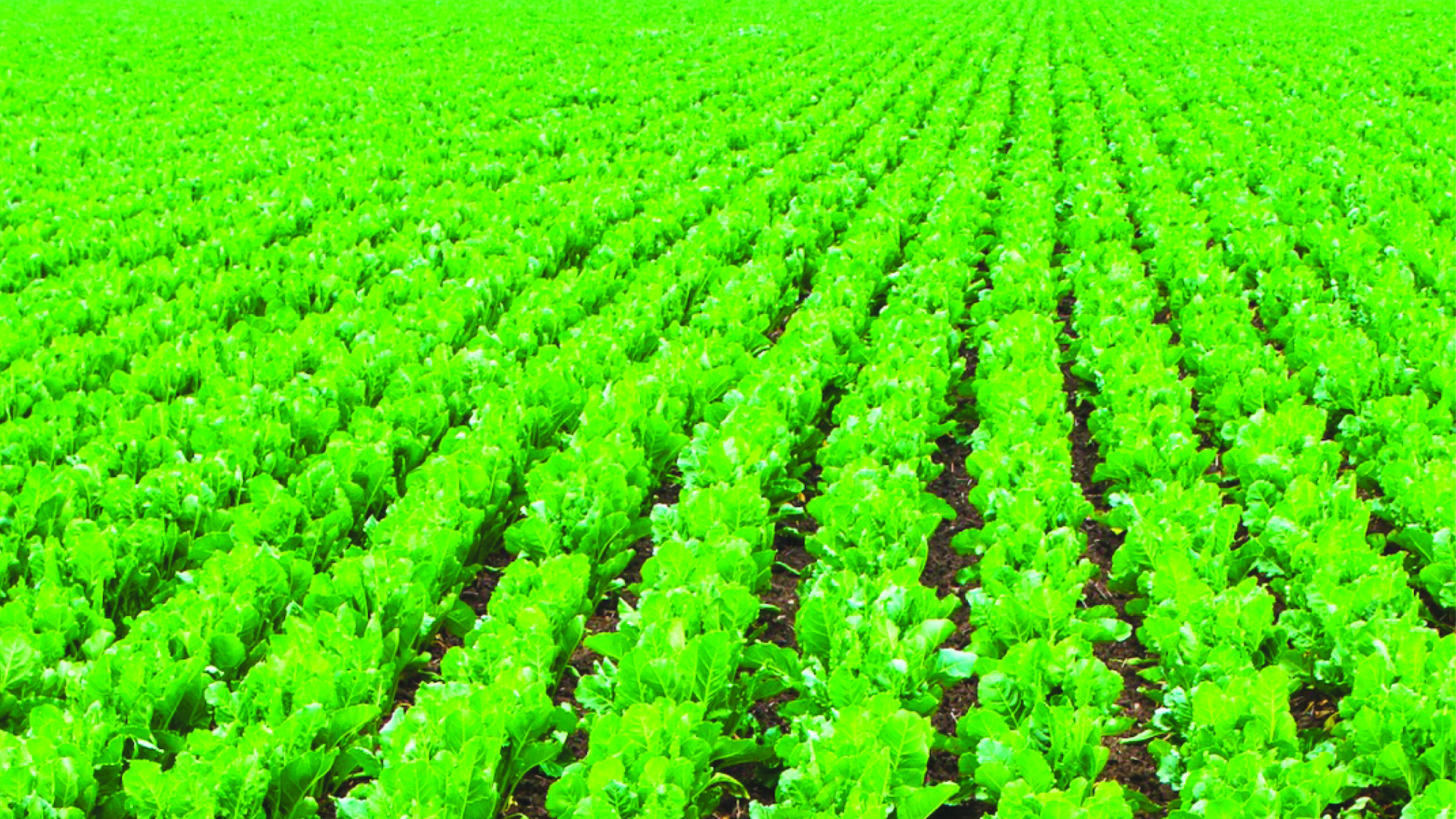
The 2025–2026 agricultural season is expected to be one of the most favorable on record. It could go down in history, especially after seven consecutive years of drought that Morocco has endured.
A year of major relief, warmly welcomed by farmers, as it has seen significant rainfall well distributed across the entire country.
As of April 10, dam fill rates had reached nearly 75%, with available water resources amounting to 12.7 billion cubic meters—more than 100% higher compared to the same period the previous year.
The skies were not only generous but also fair, with rainfall evenly spread across different agricultural regions.
Farmers’ hopes were revived, and even more so with the April rains, which are essential for cereal crops in terms of ear formation, grain filling, and yield improvement.
And not only that. Whether for major winter crops, market gardening, or spring crops, the agricultural season is expected to deliver record production.
In fact, government and institutional forecasts should be easily met.
Indeed, sector value added is expected to reach 15% according to the government and 14.4% according to Bank Al-Maghrib, with a cereal harvest of the three main crops projected at 82 million quintals by the central bank. This would represent an increase of 9.2 points compared to 2025.
These rains benefit not only crops; they also inject new momentum into groundwater reserves and restore vitality to pastures. The livestock sector is not left out.
Rainfall recorded since October 2025, with continuous and uninterrupted frequency, has enabled natural rangelands to regenerate and grazing areas to recover.
This has benefited livestock breeders, who have reduced their reliance on compound feed, thereby easing their financial burden.
Combined with direct support for breeders launched by the Ministry of Agriculture, this strongly contributes to livestock production.
It should be recalled that the supervising ministry has mobilized a budget of 12.8 billion dirhams for livestock breeders over two years, as part of a national herd reconstitution program.
Recent figures show strong and widespread participation in this scheme, with 1.15 million breeders benefiting in the first phase, for a mobilized budget of 5.5 billion dirhams.
It is in this markedly favorable context that the 18th edition of the International Agriculture Show in Morocco (SIAM) is being held from April 20 to 28, in an extended 9-day format, under the theme “Sustainability of livestock production and food sovereignty.”
This provides an opportunity to strengthen Morocco’s agricultural strategies, particularly Generation Green 2020–2030, in terms of reinforcing food sovereignty, restructuring fragile sectors, optimizing water consumption, accelerating innovation, and adapting crops to an ever-changing climate.
However, one fact remains: Morocco continues to depend on international markets, particularly due to the volatility of input costs, cereal imports, and livestock feed supply.
In a context where geopolitical crises are multiplying, supply chains are being disrupted, and transport costs are reaching record highs, Morocco will need to strengthen its agricultural sector and improve the resilience of a sector that is one of the pillars of food security and the socioeconomic balance of rural areas.
For the cereal sector, which forms the backbone of the country’s food sovereignty, COMADER (the Moroccan Confederation of Agriculture and Rural Development) and industry professionals emphasized, during a meeting, the need to reduce dependence on foreign inputs—particularly seeds—while accelerating seed multiplication cycles.
The Generation Green strategy also aims, by 2030, to raise the share of certified seeds used in the cereal sector to 40%, and to 50% for varieties of national origin.
Another often overlooked aspect is post-harvest losses. Up to 40% of cereal production is reportedly lost before reaching consumers—around 20 million quintals per year—while consumption stands at nearly 100 million.
Hence the need to upgrade all infrastructure, including collection, storage, and logistics, and, even more importantly, to improve integration between producers, traders, and millers.
It is within this framework that a moderation agreement was concluded between the National Federation of Cereal and Legume Traders, Crédit Agricole du Maroc, and the National Federation of Milling, concerning the marketing of national soft wheat production.
This represents a joint commitment by public authorities and industry professionals to improve market organization and the conditions for enhancing the value of domestic production, notably through strengthening storage capacity, supporting financing, and adapting regulatory mechanisms.
Ultimately, the agricultural sector continues to demonstrate its resilience in the face of environmental challenges and is pursuing the necessary efforts to ensure sustainable supply chains.
Agricultural financing: CAM at the heart of the support system
Financial support for the sector continues, notably through the Crédit Agricole du Maroc Group, which maintains its central role.
Outstanding credit has reached 48 billion dirhams, including 34 billion allocated to agriculture and 14 billion to the agri-food industry.
This means that 87% of the bank’s portfolio is dedicated to the sector. The bank operates across the entire value chain through investment loans, seasonal loans, and financing for processing and value addition.
This is in addition to supporting operators in their international activities.
CAM also provides financing and assistance to farmers affected by periods of severe drought or flooding.