Influences
Agadir: Industry boosts investment
The industrial sector accounts for 39% of the projects approved by the CRUI during the 2024 fiscal year. Across all sectors, the volume of projected investments reached 13 billion dirhams, with more than 9,800 direct jobs expected.

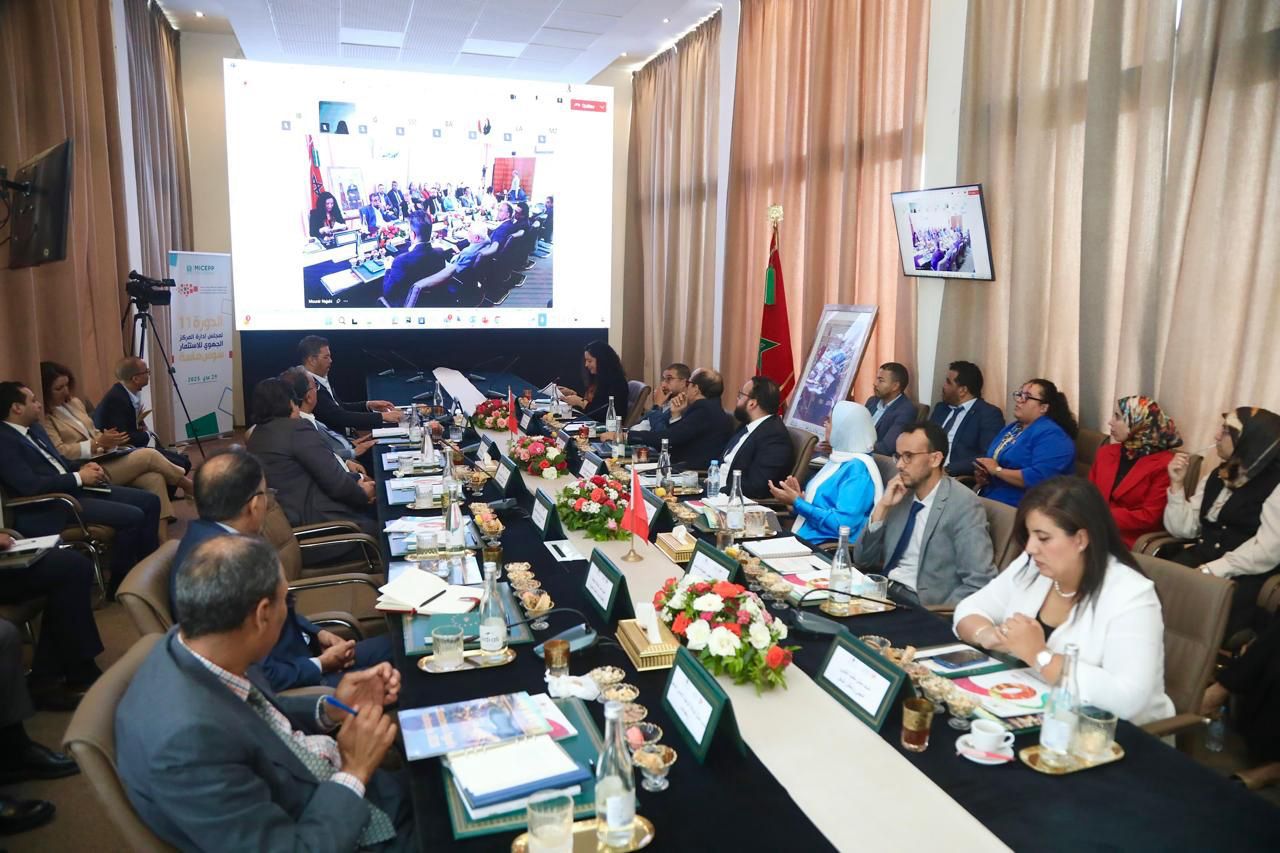
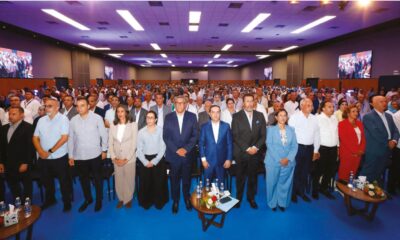
The capital of Souss-Massa is on track to become a major industrial hub. This is at least what the latest report from the Agadir Regional Investment Center suggests. The report presented at the establishment’s last board meeting highlighted the share of the industrial sector in investment projects reviewed by the Unified Regional Investment Commission (CRUI) during 2024.
The document shows that industry represents 39% of the projected investment volume. It should be noted that projects approved by the Commission, across all sectors, reached a total investment volume of nearly 13 billion dirhams by the end of 2024, expected to generate over 9,800 direct jobs.
The predominance of industrial projects in the projected investment volume, established in the 2024 CRI report, confirms the region’s industrial vocation and the successful bet on industrialization and economic diversification. It is worth recalling that in 2018, within the framework of the Royal vision, the Souss-Massa region launched the regional implementation of the Industrial Acceleration Plan to diversify its economy, which until then relied on traditional sectors such as agriculture, tourism, and fishing. Since then, the industrial shift has taken hold, notably through the development of new-generation integrated industrial parks where investors have committed.
Today, within a renewed urban framework, the result of the 2020-2024 Urban Development Program and the Municipal Action Plan, the city has gained attractiveness and its stakeholders dynamism. For local authorities and elected officials alike, promoting investment in Souss-Massa remains a top priority. Thus, mobilization continues in the region: structuring land supply to better support investment development through transparency in allocation processes, modernization of infrastructure and essential investment equipment, and an incentive framework including land and employment bonuses. A range of measures has been implemented in favor of investors.
In terms of connectivity and transport, the planned Agadir-Dakar maritime line project is an opportunity to strengthen South-South trade. The Agadir Atlantic Hub dry port project, currently in its initial phase, and the Lqliâa logistics zone, whose commercialization has been launched, are additional assets attracting new Moroccan and foreign investors.
This week, a Danish delegation from the agri-food sector, composed of about six companies from various fields (fruits and vegetables, poultry, dairy industry, ventilation systems, bacteria management, climate solutions…), accompanied by the Danish Trade Council, is prospecting in Agadir and holding a series of meetings with local stakeholders.
Thus, Agadir’s economic environment continues to attract. However, the investor journey still needs improvement at all stages, both in terms of authorizations and credit granting.