Business
These Major Projects Shaping the New Face of Souss-Massa
Haliopolis, ZAI (Industrial Acceleration Zone), dry port, Laqliaa, Tiguert, Agadir Tech Valley—these are the six flagship projects underway in the region. Several billion dirhams are being mobilized, bringing jobs and emerging value chains. Here is an update on the progress of these projects that are shaping the region’s new economic landscape.

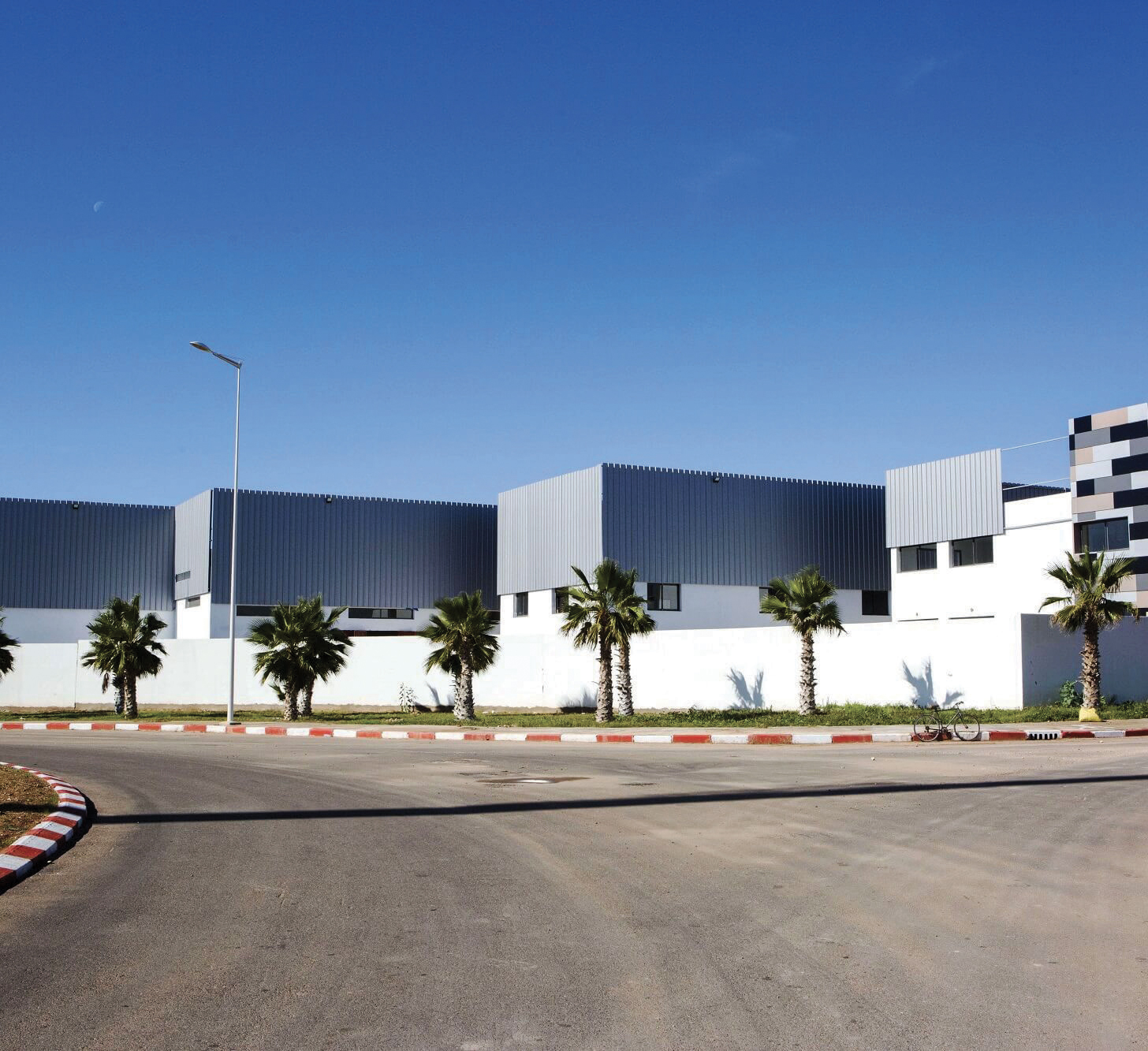
Souss-Massa is advancing on multiple fronts simultaneously. Haliopolis, Industrial Acceleration Zone, dry port, Laqliaa industrial zone, Tiguert aquaculture project, Agadir Tech Valley: the region is aligning a portfolio of flagship projects reflecting a shared ambition—to strengthen its productive base and diversify its economy well beyond its traditional strengths.
Haliopolis Park remains the most emblematic project in this dynamic. With an allocation rate of 91%, 181 approved projects, and more than 3.5 billion dirhams in announced investment, the zone confirms its attractiveness. On the ground, the focus is now shifting toward the effective development of plots.
The effective development rate does not exceed 20% of the total area, and only 805 direct jobs have been created out of the 10,000 expected in the long term. Reviewing the procedure for reclaiming unused units fits within this logic of better mobilization of industrial land, which has become essential to accelerate the actual implementation of projects. In a context of growing pressure on land, every undeveloped hectare represents a lost opportunity for the region.
The Industrial Acceleration Zone is also entering a decisive phase. The groundwork is in place. Five projects have obtained building permits out of 19 approved, reflecting gradual ramp-up. The commercialization rate stands at 36%, with ten buyers having signed contracts.
Accelerating the pace now requires stronger mobilization around promotion and marketing. The role of various stakeholders appears central here to give the zone greater visibility and transform its potential into a more sustained momentum.
The current commercialization rate leaves room for growth. It is on this margin that the next stage hinges.
The Agadir dry port is among the most anticipated files. The specific agreement was approved during the March session of the Regional Council and is currently being signed by the relevant partners.
Studies on the business model now constitute the prerequisite step before proceeding further. For a region heavily oriented toward agricultural and fisheries exports, this project carries a first-order logistical stake. An operational dry port means enhanced competitiveness for all export sectors.
On the Laqliaa side, the industrial zone project is progressing. Covering nearly 97 hectares, with an identified developer and a structured 38-month timeline, it fits into the effort to strengthen the supply of land dedicated to industry in the Greater Agadir area.
The same logic applies to the Tiguert aquaculture project, where the decree transferring the land is currently being signed.
The orientation toward leasing landing platforms, or failing that, toward a mechanism for temporary occupation of the forest domain, reflects a pragmatic search for operational solutions to bring this project to fruition.
Agadir Tech Valley completes this set with a different vocation: that of the digital economy and high value-added services. Approved at the Drarga level, with an acquisition order currently being signed, the project mobilizes 1.5 billion dirhams over a ten-year phasing. It reflects the region’s desire to open a new industrial cycle focused on offshoring, innovation, and technology-oriented professions.
The context is favorable: Oracle has just established an R&D hub in Agadir, demand for digital skills continues to grow, and Ibn Zohr University covers 53% of the national territory in terms of training. This hub is arriving at the right time.
What these six files show is less a juxtaposition of projects than a progressive and coherent transformation of the regional economic profile.
Souss-Massa has been engaged for several years in its transition toward industry.
These six projects are the concrete expression of this: they consolidate this industrial vocation while expanding it toward logistics, aquaculture, and the digital economy, for broader and more sustainable territorial competitiveness.