Kingdom
Agadir 2026: The Year of Major Transformative Infrastructure Projects
More than 7.5 billion dirhams worth of major transformative projects are underway or scheduled in the city this year. The airport will increase its capacity to 7 million passengers, while the dams will boost water storage capacity by more than 480 million additional cubic meters.

Culture, sports and tourism are moving upmarket, with major facilities due to be delivered this year. After a year 2025 marked by major achievements, Agadir is entering 2026 with a dense, strategic agenda.
The commissioning of the Souss-Massa University Hospital Center (CHU) last November, in line with the High Royal Directives, has strengthened healthcare provision at the regional level and repositioned the city as the South’s healthcare hub.
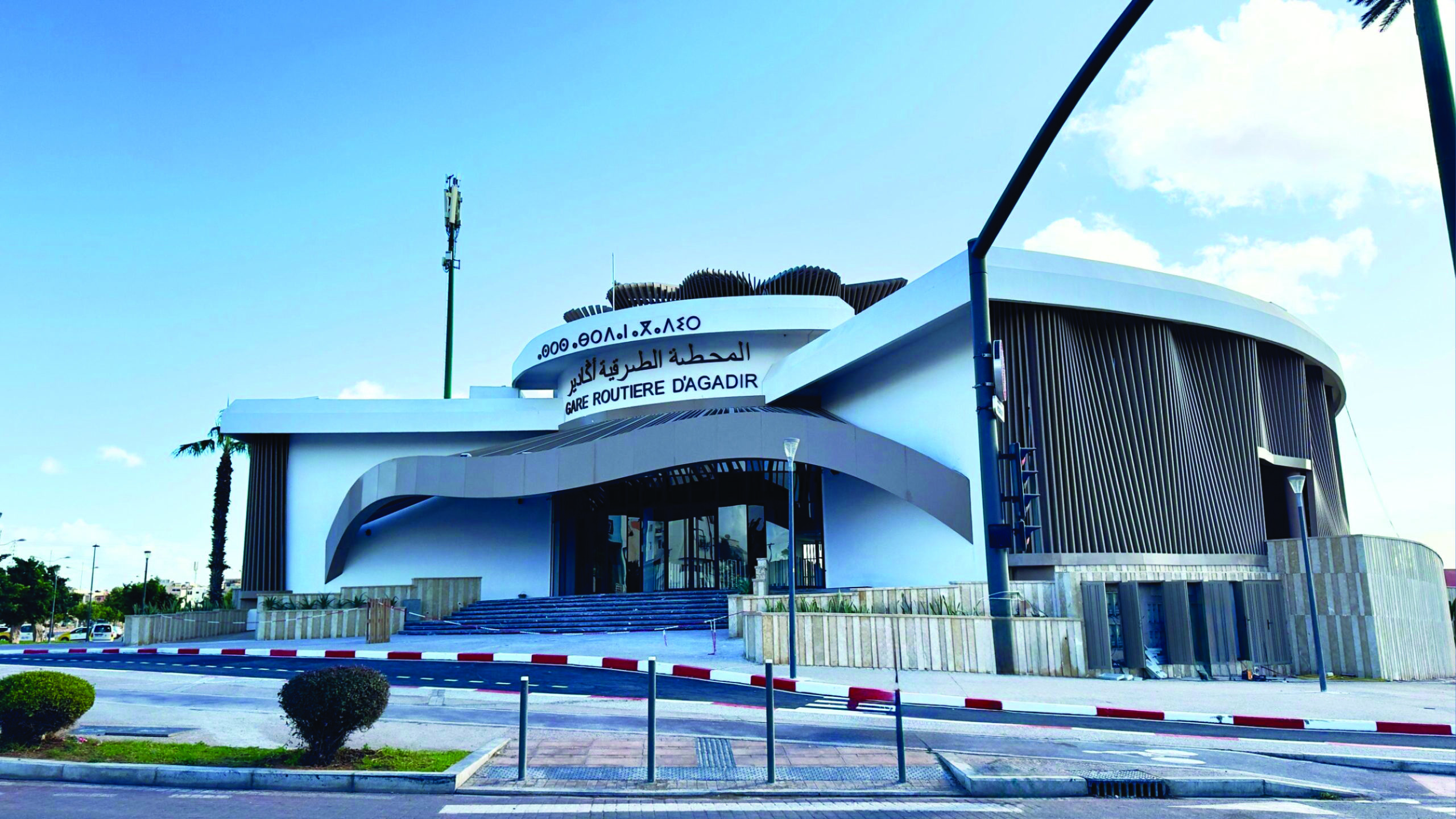
At the same time, the gradual rollout of the BHNS and the modernization of urban infrastructure (the bus station, the surroundings of the Grand Stadium, and the Aourir crossing) have confirmed the area’s move upmarket.
The year 2026 is set to be a step change. Several structuring projects will reach a decisive phase or be delivered, with a direct impact on attractiveness, investment and quality of life.
Led by the Wilaya of the Souss-Massa Region, in coordination with the Regional Council, municipalities, and local and regional development companies, this momentum is based on partnership governance and the alignment of public policies, an institutional source notes.
Among the flagship projects, the expansion of Agadir Al-Massira Airport marks a turning point. Backed by a budget of 1.8 billion dirhams, the project aims to increase annual capacity from 2.6 to 7 million passengers, thanks to a new 75,000 m² terminal, four additional aircraft stands, and redesigned access routes.
A decisive lever to support tourism growth and international connectivity.
Urban mobility will also continue its transformation. Sections 3 and 4 of the bypass road, linking Hay Mohammadi to Anza and then to the port, represent nearly 580 million dirhams.
New BHNS lines (to Aït Melloul via Bensergao and Inezgane, and between Tikiouine and Aït Melloul) are in the final stages of study. The objective is to ease traffic flows and support metropolitan expansion.
Water remains a vital issue. The Tamri Dam, with a capacity of 204 million m³ (2.7 billion dirhams), is expected to be delivered in May 2026, while raising the Mokhtar Soussi Dam will bring capacity to 281 million m³.
In parallel, a new desalination plant— the largest nationwide, at 350 million m³ per year— is planned, strengthening the water security of an area under increasing climate pressure.
On the cultural and social front, 2026 will see the long-awaited opening of the Agadir Theatre (1,060 seats, cost 250 million dirhams) and the Central Media Library (53 million dirhams), both set to become key urban landmarks.
The renovated Bird Valley, the Timitar Museum, the Amazigh Heritage Museum, the Tikiouine Metropolitan Park (30 ha) and the Olympic swimming pool will expand the range of leisure options and public facilities.
The economic component is also significant. The Agadir City Center project plans to open the Dominium Palace hotel in Founty as early as spring, followed by a convention center and a mall by year-end.
In Taghazout, the Marriott hotel (nearly 600 million dirhams) will add 500 beds to the region’s capacity. The new wholesale market in Laqliaâ and the strategic reserves platform in Drarga will bolster logistics and food security.
Lastly, the Regional Complex for the Reception and Rehabilitation of People Experiencing Homelessness in Anza (135 million dirhams), led by the Mohammed V Foundation for Solidarity, reflects a strong social dimension.
In 2026, Agadir will thus consolidate its status as an integrated regional metropolis. Healthcare, water, mobility, culture and tourism: the projects underway are shaping a more resilient, more competitive territory, better equipped to meet the demographic and climate challenges of the coming decades.