Kingdom
African diplomats learn about the development momentum in Dakhla
The visit by the African diplomats is part of the International Cycle of Training in Diplomacy, organized for the benefit of diplomats representing several English‑speaking African countries.

A delegation of diplomats from English‑speaking African countries familiarized itself on Monday in Dakhla with the development momentum experienced by the Dakhla‑Oued Eddahab region across several strategic sectors.
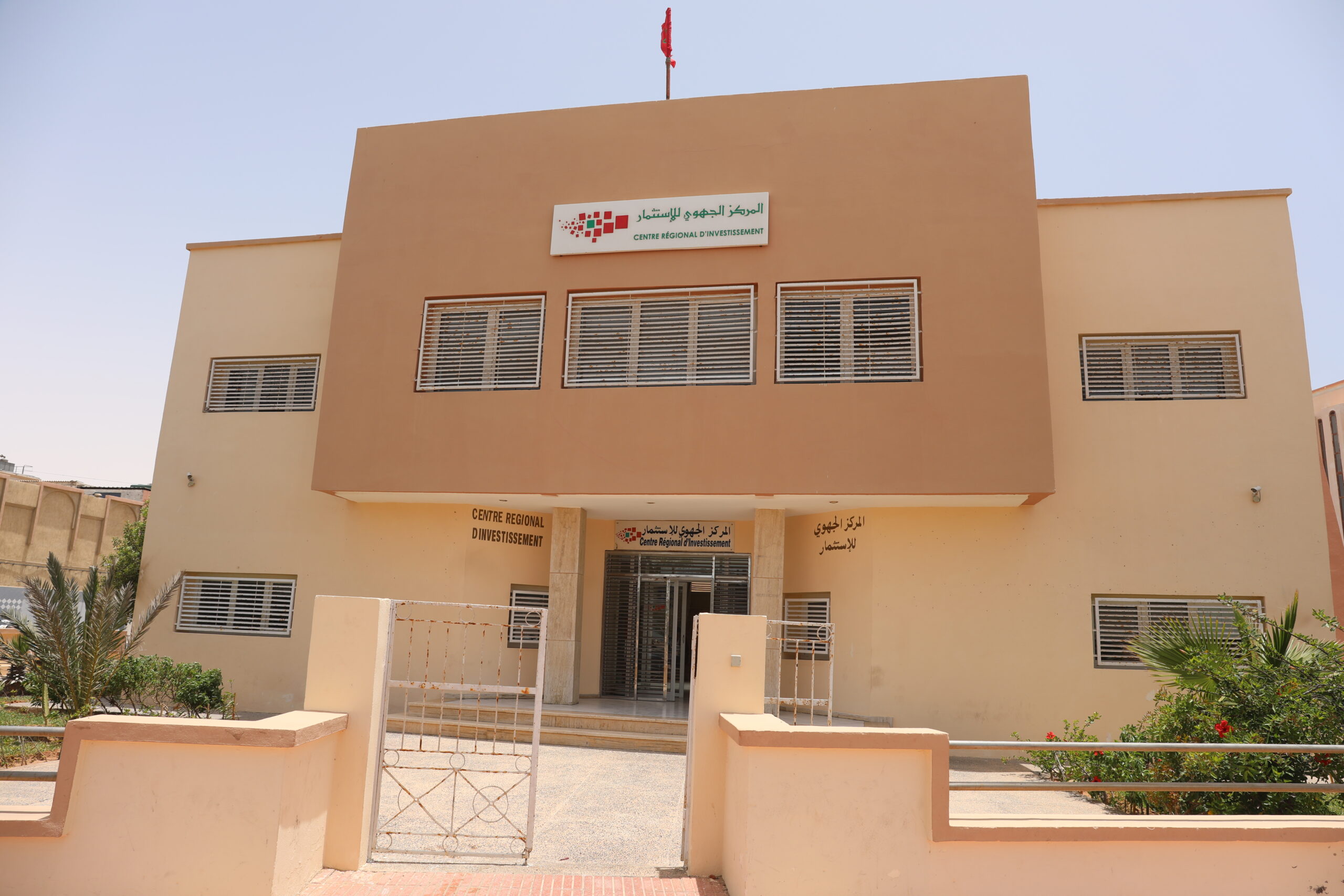
This meeting, presided over by the Secretary‑General of the Wilayas of the Dakhla‑Oued Eddahab region, Abderrazak El Gourji, in the presence of the Director General of the Regional Investment Center (CRI) of Dakhla‑Oued Eddahab, is part of the International Cycle of Training in Diplomacy, organized for the benefit of diplomats representing several English‑speaking African countries.
In a speech on the occasion, Mr. El Gourji emphasized that Dakhla’s positioning illustrates the vision of a Morocco deeply rooted in its African space and committed to promoting South‑South cooperation based on solidarity, co‑development, and regional integration. He noted that this dynamic, driven under the leadership of His Majesty King Mohammed VI, makes the Southern Provinces a strategic space of connection between Morocco and its continent.
He also highlighted Dakhla’s strengths, particularly its infrastructure, energy potential, economic openness, and stability, stressing that the region is asserting itself as a hub for sustainable development and a lever for structuring partnerships with Africa.
Mr. El Gourji further indicated that consolidating this momentum relies on a shared vision founded on trust, pragmatism, and the convergence of ambitions. He underlined that Dakhla constitutes a platform serving shared prosperity, strengthened economic sovereignty, and forward‑looking African cooperation.
In a statement to the press, Titus Mumba, a Zambian diplomat and economist, said that the visit made it possible to better understand Morocco’s experience in territorial development and national branding. He praised Morocco’s vision as well as the lessons drawn from the economic and strategic potential of the Dakhla region.
He also stressed the importance of Atlantic access for landlocked countries such as Zambia, considering that the structuring projects underway in the region offer significant prospects in terms of connectivity, logistics, and regional cooperation.
On this occasion, members of the delegation attended a presentation on the major structuring projects launched in the region, investment opportunities, and development projects initiated in several sectors, notably infrastructure, logistics, the blue economy, and renewable energies.
The diplomats also met with the President of the Regional Council of Dakhla‑Oued Eddahab, El Khattat Yanja, during discussions focusing on the region’s development momentum and its concrete implementation on the ground.
During this two‑day visit, the delegation will also visit several sites, including the Craft Center, Souk Lakdim, as well as the construction site of the Dakhla Atlantic Port and the Dakhla Learning Center.
Organized as part of the International Cycle of Training in Diplomacy, with the support of the Moroccan Institute for Training, Research, and Diplomatic Studies (IMFRED) and the Moroccan Agency for International Cooperation (AMCI), this visit aims to introduce diplomats to the major structuring projects completed or underway in the Dakhla‑Oued Eddahab region.