Kingdom
Africa Day: Morocco Highlights Its Commitment to Continental Integration in Asunción
Morocco’s ambassador to Paraguay highlighted the Kingdom’s flagship projects, such as the Atlantic Initiative, the Dakhla port, and the Nigeria–Morocco gas pipeline, presented as key drivers of regional development and closer ties between African countries.

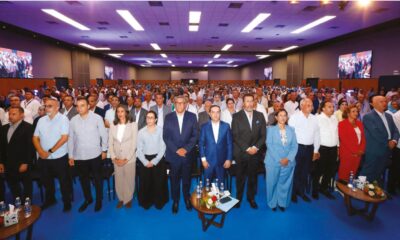
Morocco used Africa Day to reaffirm, from Asunción, the depth of its commitment to development and continental integration. At a reception held at the Moroccan Residence, Ambassador Badreddine Abdelmoumni outlined the Kingdom’s African vision in the presence of senior Paraguayan figures, including the President of the Supreme Court of Justice and the Vice-President of the National Congress.
In his address, the diplomat stressed that Morocco’s African identity is not a matter of circumstance, but one shaped by centuries of commercial, cultural, and spiritual exchanges with the rest of the continent.
This anchoring is now reflected in more than a thousand cooperation agreements and significant investments in strategic sectors such as agriculture, energy, infrastructure, and finance, within a vision based on solidarity and South-South partnership.
The ambassador also highlighted major flagship projects led by the Kingdom, such as the Atlantic Initiative, the Dakhla port, and the Nigeria–Morocco gas pipeline, presented as genuine drivers of regional development and closer ties between African countries.
Referring to Moroccan–Paraguayan relations, Abdelmoumni underlined the shared vocation of both countries to act as bridges between regions and continents, drawing a parallel between the future Dakhla port and the South American bi-oceanic corridor—two projects expected to bring Africa and South America closer together and reshape global trade flows.
The diplomat also paid tribute to Africa as the cradle of humanity and a source of major civilisational contributions, while highlighting the paradox of a continent rich in natural and human resources yet still underrepresented in global trade and facing persistent structural development challenges.