Kingdom
Advanced Regionalization: The Government Reviews Achievements and the Roadmap
The government, the walis, and the presidents of the regions reviewed the progress of advanced regionalization and adopted a roadmap of 97 concrete measures. Objective: accelerate the implementation of the project starting February 2026, with regional funding transferred 100% and clear priorities set by the Royal High Guidelines.

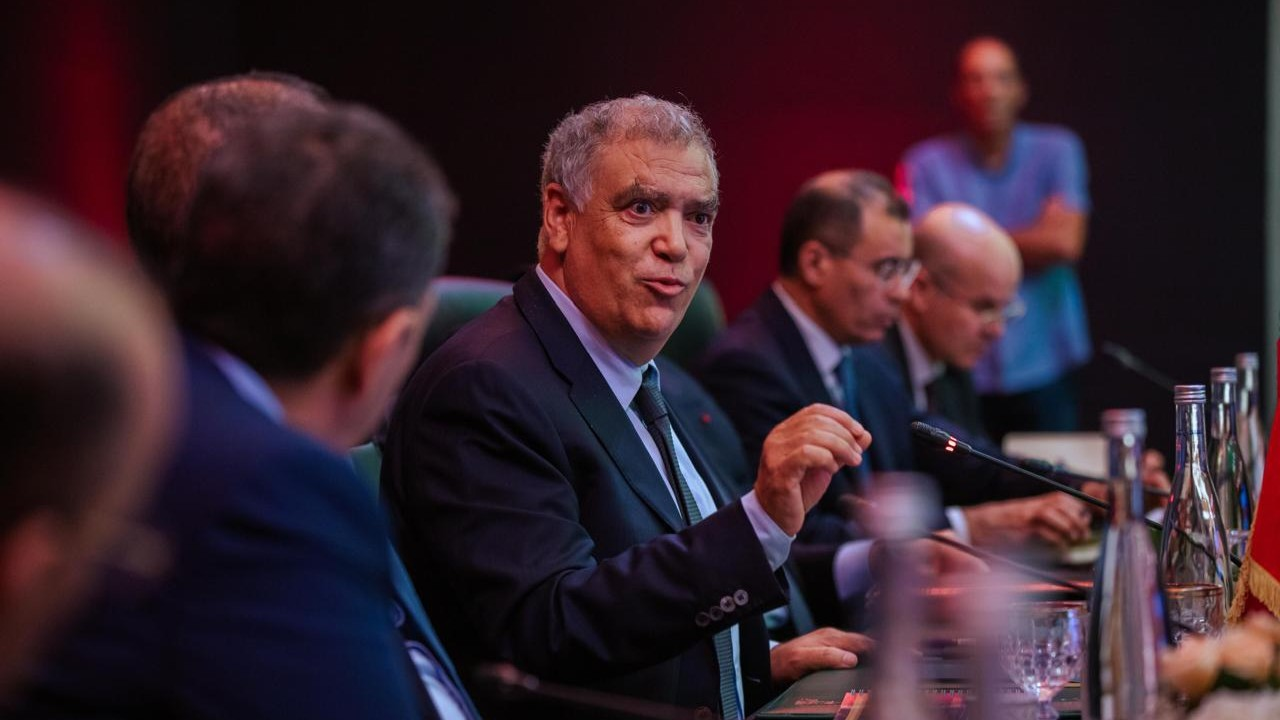
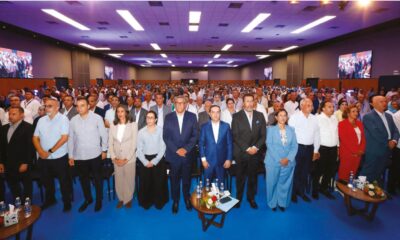
The periodic meeting dedicated to monitoring the implementation of the advanced regionalization project was held on Thursday at the headquarters of the Ministry of the Interior in Rabat, within the framework of the consultation process initiated for the operationalization of this project.
Taking part in this meeting were the Minister of the Interior, the Minister of Economy and Finance, the Minister of Equipment and Water, the Minister of National Education, Preschool and Sports, the Minister of National Territorial Planning, Urban Planning, Housing and City Policy, the Minister of Economic Inclusion, Small Business, Employment and Competencies, the Minister of Tourism, Crafts and Social and Solidarity Economy, and the Minister of Higher Education, Scientific Research and Innovation, according to a statement from the Ministry of the Interior.
Also participating in this meeting were the Minister of Energy Transition and Sustainable Development, the Minister of Transport and Logistics, the Minister of Youth, Culture and Communication, the Minister of Solidarity, Social Inclusion and Family, the Minister Delegate to the Head of Government in charge of Investment, Convergence and Evaluation of Public Policies, the Minister Delegate to the Minister of Economy and Finance in charge of the Budget, the Minister Delegate to the Head of Government in charge of Digital Transition and Administrative Reform, and the Secretary of State to the Minister of Agriculture, Maritime Fisheries, Rural Development and Water and Forests, in charge of Maritime Fisheries.
This meeting was marked by the participation of the President of the Association of Regions of Morocco, as well as the Walis and the Presidents of the Regional Councils.
During this meeting, a progress review of the implementation of the advanced regionalization project was presented, reviewing the various achievements accomplished in this framework, including the development by the 12 Regions of the Kingdom of regional territorial planning schemes and regional development programs, in addition to the transfer of credits allocated to regional budgets, which financial transfers reached a record 100% for the year 2025.
During this meeting, it was also a matter of discussing the main challenges facing the optimal implementation of this project, foremost among them the activation of the Charter of Administrative Decentralization and the Regions’ Attributions, as well as the issue of financing advanced regionalization.
The meeting was also an opportunity to present the Draft Roadmap related to the completion of this project, developed in execution of the Royal High Guidelines contained in the Royal Message addressed to participants at the 2nd National Conference on Advanced Regionalization, held on December 20 and 21, 2024 in Tangier, in which His Majesty King Mohammed VI called “to chart a clear and consensual roadmap, which allows defining the strategic orientations for the next stage.”
This Roadmap aims to define the mechanisms for implementing the conclusions of the National Conferences, primarily the Royal High Guidelines and the four conventions signed on the sidelines of these Conferences, in addition to the general recommendations that concluded these Conferences.
It was also proceeded to adapt the strategic axes of the Roadmap to the priorities set by the Throne Speech 2025 regarding the adoption of a new generation of territorial development programs.
At the end of this meeting, agreement was reached on the Draft Roadmap, which includes 97 procedural mechanisms, 35 of which fall within a priority program, divided into four axes, namely: strengthening productive investment to support employment, developing infrastructure and basic services in urban and rural areas, rationalizing water, energy, and environmental resources, and consolidating integrated territorial upgrading. The implementation of this priority project will be carried out, in the short and very short term, starting from February 2026, concludes the statement.