Kingdom
Abdelkrim Chiguer: “Cinema gives form to the formless”
For the 30th Mediterranean Film Festival of Tetouan, the head of the documentary program reveals the inner workings of an event that celebrates the 7th art as a tool of emancipation, a bridge between shores and souls. A raw and chiseled exchange, like a reverse-shot edit.

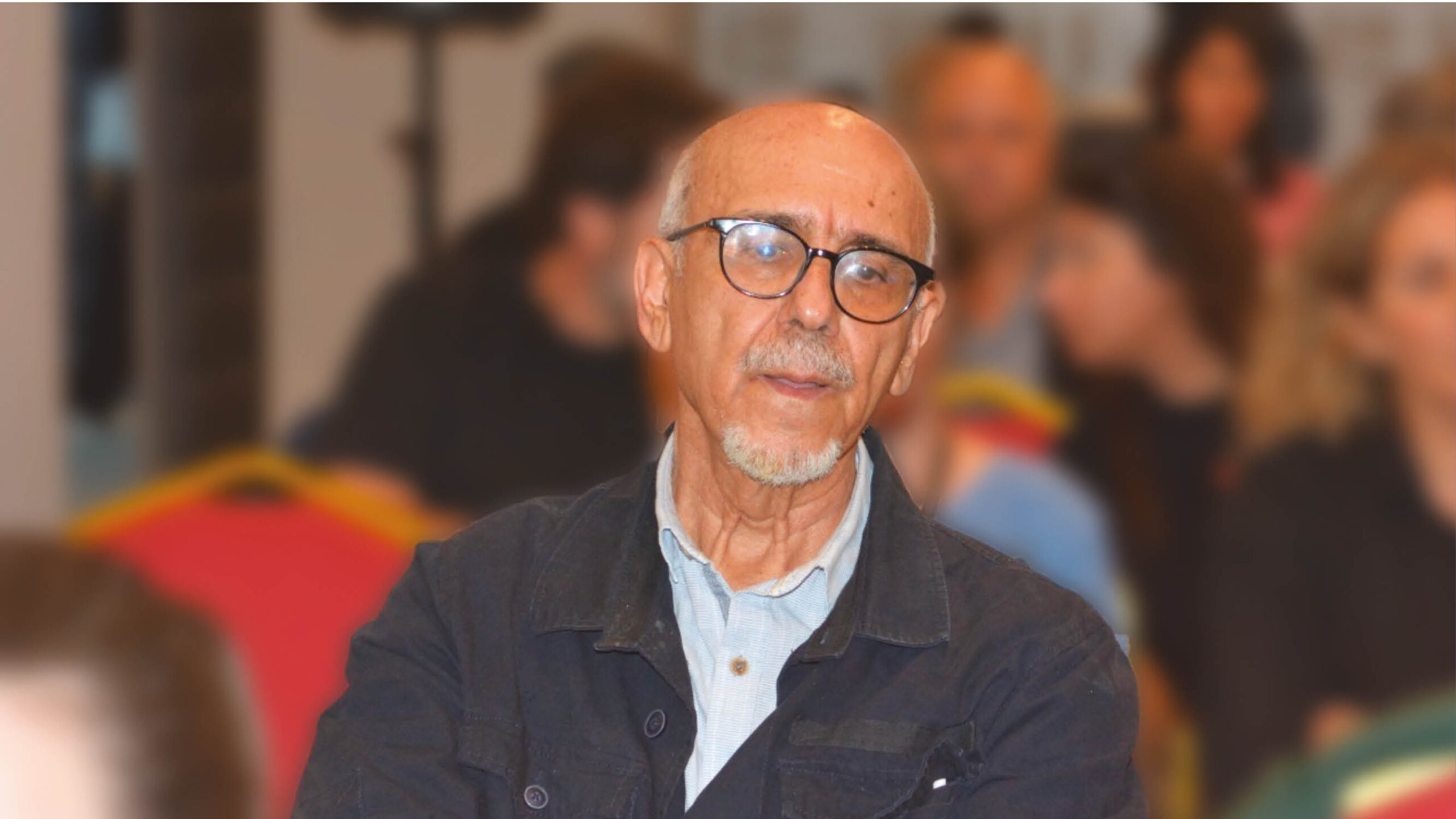
Abdelkrim Chiguer tells us how cinema shapes life, liberates voices, and builds bridges between shores and generations. For the “friends of cinema,” the work “is not a bubble—it’s a vital breath.”
Abdelkrim Chiguer, 30 years of festival—it’s a moment to look back…
Thirty years: that’s how long it took to go from passion to project. The Mediterranean Film Festival of Tetouan moves forward with one fixed idea: legitimizing cinema, giving it weight—real weight.
Not just a screen, but an institution. Everything is thought through: film selection, conferences, parallel activities. We leave the dark screening rooms to go into prisons, schools, places cinema never goes. We speak to critics, researchers, and spectators too.
There was a time when cinephilia went in circles, locked in its bubble. Today, we open the windows. We connect disciplines: the social, the theoretical, the philosophical, the historical. We archive, photograph, and build the festival’s memory image by image.
Our logic is structure: supporting the efforts of the state, associations, and new theaters. Being part of a movement that shapes both cinephilia and cinematography. We want cinema to be our daily bread. That’s film education.
This film education, you bring it even into prisons, schools…
Absolutely. Making cinema is making civic education. When we go into prisons, it’s not just to show films—it’s to reintegrate. In front of a film, the experience can be liberating: the individual changes, breaks free from what holds their will back.
That’s the therapeutic function of art: social integration, healing. Those who go to the cinema love life, and those who love life go to the cinema. To love cinema is to love life. Why? Because cinema gives form.
Sometimes stronger than what life offers. It organizes the formless, shapes what has no contours yet. It creates new forms. And suddenly, life becomes closer, more visible. Between cinema and life, there should be no boundary. The idea is to bring them closer.
In this edition, the documentary program you lead—dives into Mediterranean silences—mixes cultures like a crossroads…
Indeed, it’s a crossroads of gazes, narratives, forms. You feel the blending of cultures, singular voices crossing and illuminating one another.
The festival carries this utopia: structuring cinema in Morocco, where theaters are being reborn and cinephilia is finally opening to the world.
It’s work of patience and energy: cultivating differences, cherishing the singularities of voices, opinions, perspectives. Every voice matters, every perspective enriches.