Influences
UK Recognizes Palestine Amid Gaza Crisis: A Step Towards Peace
The UK has formally recognized Palestine as an independent state, a move aimed at promoting peace in the region amid the escalating humanitarian crisis in Gaza. This decision, supported by Canada and Australia, seeks to address both historical injustices and contemporary political pressures while asserting the need for a two-state solution.

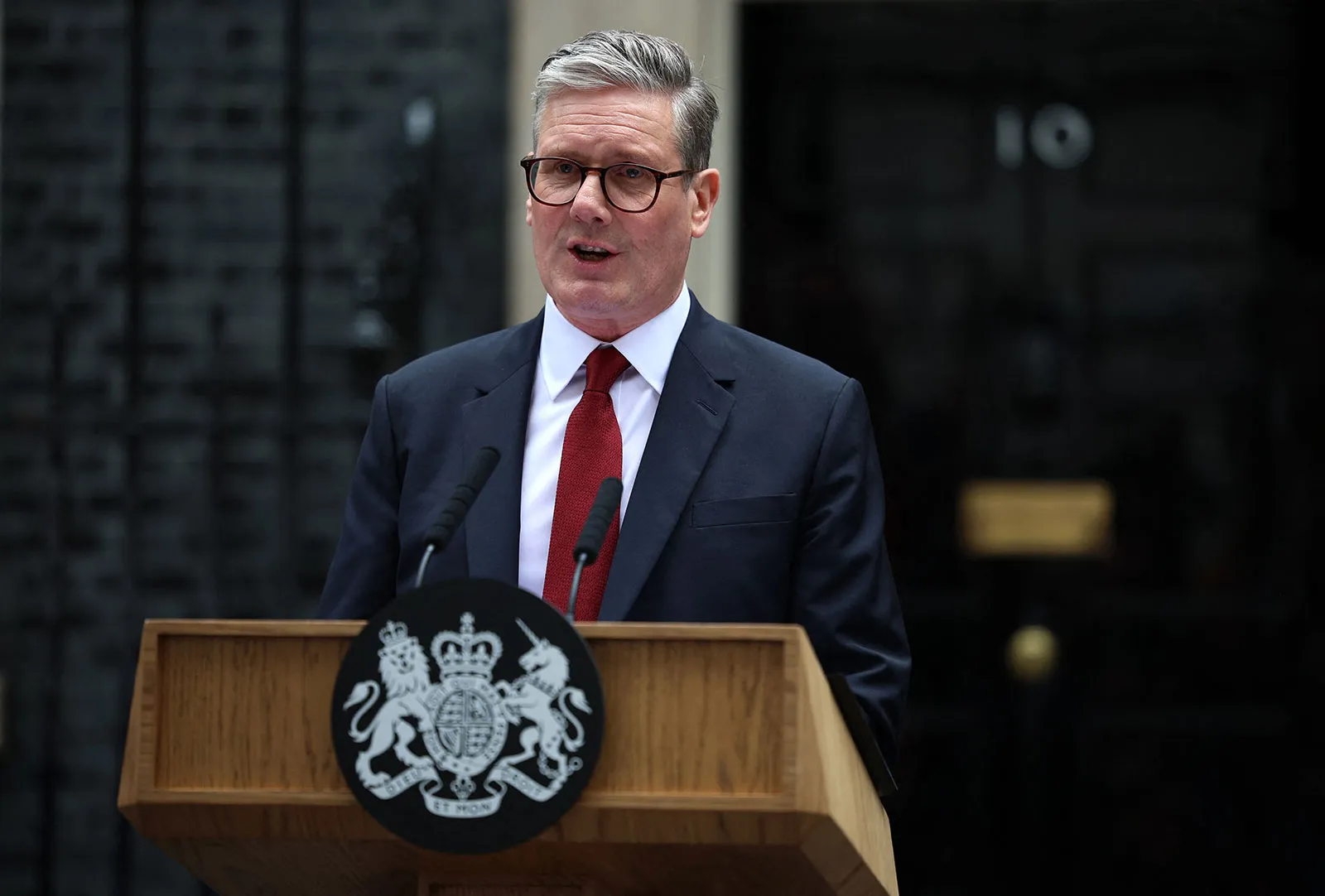
The UK has officially recognized Palestine as an independent state, a significant move announced by Prime Minister Keir Starmer amidst a growing humanitarian crisis in Gaza. This decision aims to demonstrate the UK government’s commitment to achieving peace in the region while mitigating domestic political pressures. Following the UK’s lead, Canada and Australia also declared their recognition of Palestine, reflecting a broader international concern regarding the situation in Gaza, particularly ahead of a UN General Assembly conference.
Starmer emphasized that this recognition should not be interpreted as a reward for Hamas, asserting that senior figures from the group would be subject to further sanctions and excluded from any future Palestinian government. He expressed a vision for a peaceful two-state solution, highlighting the urgent need for Israeli hostages to be released and condemning the ongoing violence in Gaza.
The UK’s recognition is based on the pre-1967 borders and serves as a precursor to establishing diplomatic relations, possibly elevating the status of Palestine’s diplomatic representatives. This decision is tied to historical grievances, reflecting on Britain’s colonial legacy in the region. Starmer’s announcement seeks to counter criticism from both domestic and international actors amid rising tensions related to Israel’s military actions in Gaza.
While the recognition is not intended as a punitive measure against Israel, it underscores a response to the perceived escalation of violence. The UK government faces challenges in navigating its foreign policy amidst pressures from various factions within its political landscape. The move marks a notable shift in diplomatic relations and aims to rekindle hope for a viable solution to the long-standing conflict, despite potential backlash from Israel and skepticism regarding its immediate impact on the humanitarian situation.
SOURCE: THE GUARDIAN