International
Trump Implements New 10% Global Tariff Following Supreme Court Ruling
President Trump signed an executive order imposing a new 10% global tariff under Section 122 of the Trade Act of 1974, replacing tariffs struck down by the Supreme Court. He expressed determination to find ways to impose tariffs unilaterally while maintaining existing tariffs under other statutes.

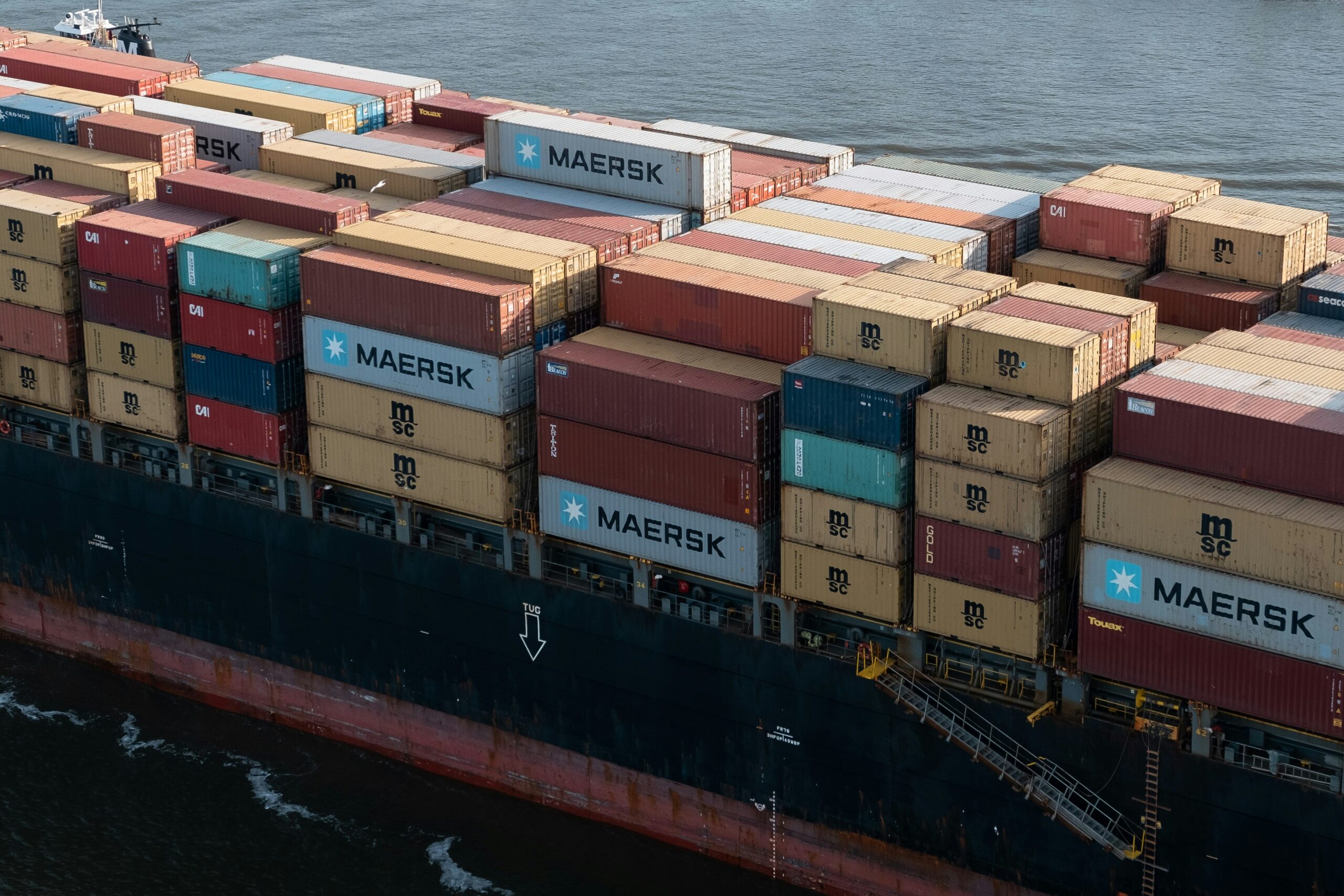
President Donald Trump announced the signing of an executive order imposing a new 10% global tariff under Section 122 of the Trade Act of 1974, shortly after a Supreme Court ruling struck down his previous “reciprocal” import duties. This decision represented a significant setback for his trade agenda, with the court ruling that the International Emergency Economic Powers Act (IEEPA) did not authorize the president to impose tariffs. In response to the ruling, Trump expressed his disappointment with the justices, including those he nominated, and stated his determination to find alternative ways to impose tariffs unilaterally. The recently enacted global tariffs, which have a 150-day duration, are intended to replace the invalidated IEEPA duties and could result in lower rates for some trading partners, including China, whose overall tariff rate will increase to 35% under the new order. Trump emphasized his belief that he possesses the authority to implement these tariffs without congressional approval and reaffirmed that existing tariffs under Section 232 and Section 301 would remain in effect. Treasury Secretary Scott Bessent indicated that the administration plans to use other tariff laws to maintain stable tariff revenue moving forward. Overall, the administration aims to strengthen the U.S. economy through these changes despite the legal challenges faced regarding tariff implementation.
SOURCE: CNBC