International
Surging Oil Prices Amid Middle East Tensions
Oil prices have surged past $100 per barrel due to escalating violence in the Middle East linked to the US-Israel war with Iran, prompting fears of a global energy supply crisis. As stock markets react negatively, countries reliant on Middle Eastern oil are scrambling to address the economic impact of the crisis.

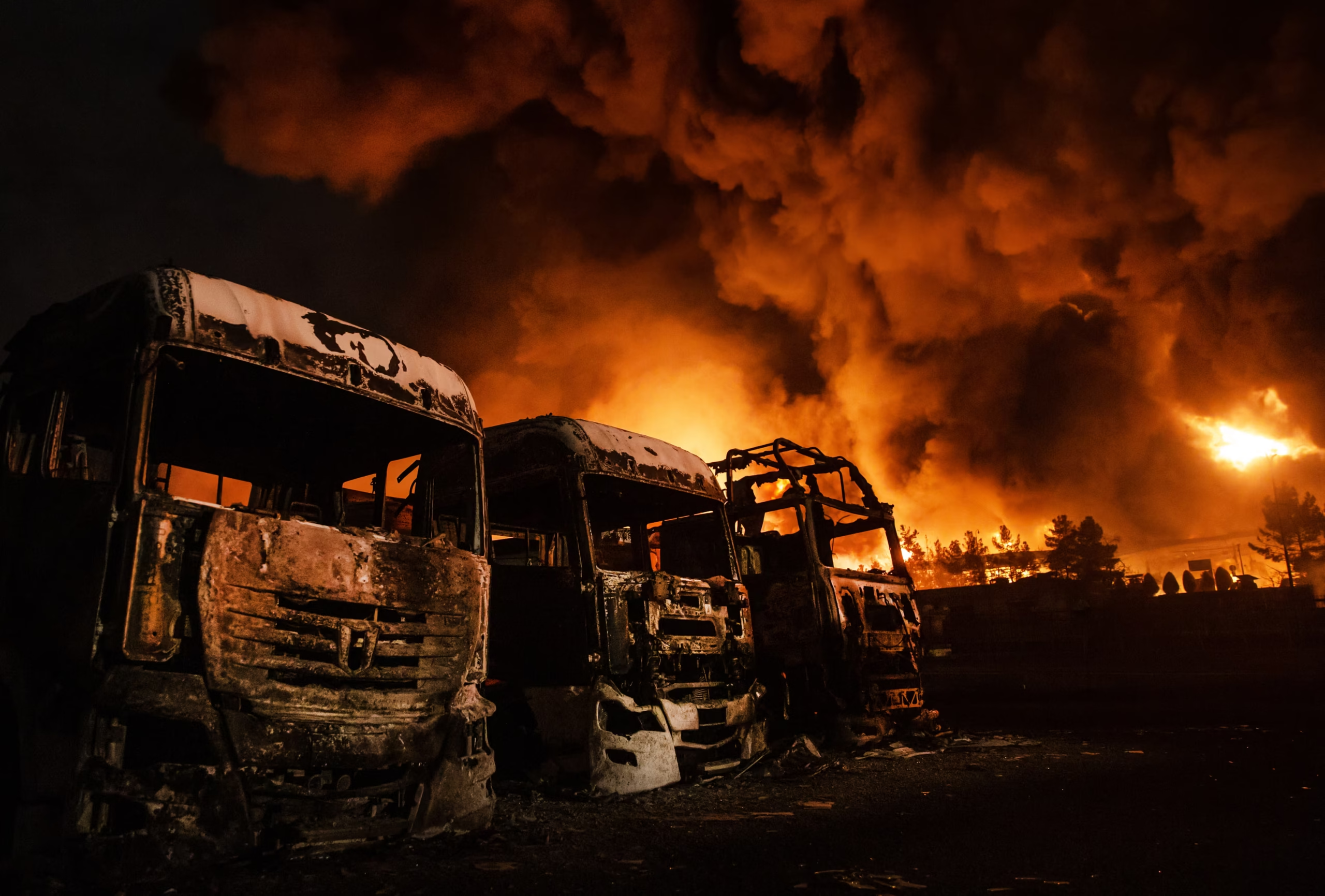
Oil prices have surpassed $100 per barrel for the first time since 2022, driven by the escalating conflict stemming from the US-Israel war with Iran, which has significantly disrupted global energy supplies. The situation intensified over the weekend as violence in the Middle East raised fears of a sustained supply crunch, resulting in oil prices reaching their highest levels in four years and causing a steep decline in stock markets worldwide. Strikes on energy sites in Tehran and a precautionary production cut by Kuwait’s national oil company have further exacerbated the crisis.
The strait of Hormuz, a crucial maritime route for a substantial portion of the world’s oil and gas shipments, has effectively been closed for a week, pushing Brent crude to prices as high as $119.50 a barrel. Although prices initially surged, they saw a slight decline following discussions among G7 finance ministers about a potential joint release of petroleum reserves. Despite this, Brent crude remained elevated at around $105 a barrel by the end of the day’s trading.
Former President Donald Trump characterized the price increase as a manageable temporary consequence of the war, asserting it would decrease once the nuclear threat from Iran is resolved. However, Iranian officials warned that continued military action could drive prices even higher. Stock indices in Europe and Asia subsequently fell as market instability grew, with alerting announcements of force majeure from Bahrain’s state oil company following an attack on its refinery.
The price of oil has risen significantly since the beginning of the year, primarily due to geopolitical tensions, with predictions of an even greater shortfall if the conflict persists. Experts warn that oil storage facilities in key Gulf states are nearing capacity, and without the ability to export through the strait of Hormuz, production may need to halt. Countries heavily reliant on Middle Eastern oil have begun implementing measures to combat the crisis, reflecting widespread concern about the impact on their economies. As the situation evolves, energy markets and international relations remain under significant strain.
SOURCE: THE GUARDIAN