Influences
Moroccan Caftan Inscribed on UNESCO Intangible Cultural Heritage List
This inscription is an international recognition of Morocco’s artistic genius and centuries-old craftsmanship, as well as the Kingdom’s ability to preserve, promote, and transmit its traditions.

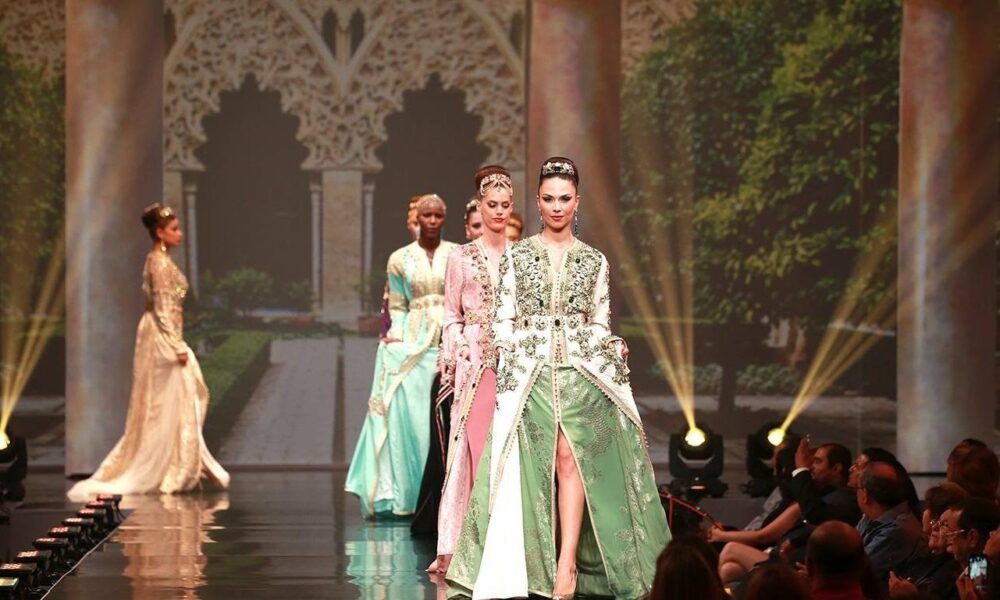
The Intergovernmental Committee for the Safeguarding of the Intangible Cultural Heritage of UNESCO, meeting in its 20th session in New Delhi, adopted the decision on Wednesday to inscribe “The Moroccan Caftan: Arts, Traditions, and Know-how” on the Representative List of the Intangible Cultural Heritage of Humanity.
This major international recognition reflects the esteem of the international community for the enlightened vision of His Majesty King Mohammed VI, may God assist Him, in favor of preserving cultural heritage, promoting authentic artistic expressions, and safeguarding traditional know-how as essential levers for sustainable development and social cohesion, states a communiqué from the Ministry of Foreign Affairs, African Cooperation, and Moroccan Expatriates.
The inscription thus consecrates the centuries-old richness of the Moroccan caftan, a living witness to the history of the Kingdom, its plural identity, and its creative genius. Worn and preserved across generations, the caftan is a symbol of elegance, refinement, and the transmission of unique artisanal know-how across the regions of Morocco.
This recognition also reflects the active and constructive role of the Kingdom of Morocco within UNESCO, as well as its constant commitment to protecting and promoting intangible cultural heritage in all its diversity and historical depth, emphasizes the communiqué.
Through this decision, the Intangible Heritage Committee commends Morocco’s contribution to preserving a living heritage where creativity, identity, and intergenerational transmission converge, and which continues to enrich intercultural dialogue and mutual understanding among peoples.
The Kingdom of Morocco will continue, within the framework of this recognition, its efforts to safeguard, promote, and transmit the know-how related to the Moroccan caftan, and reaffirms its attachment to the universal values of cultural diversity and mutual respect, which are at the heart of UNESCO’s mandate.