International
Middle East conflict: The United States announces new sanctions against Iran
The US administration announced on Friday new sanctions against Iran, while warning vessels that pay Iranian authorities to transit through the Strait of Hormuz that they could face sanctions themselves.

The new sanctions include three currency exchange houses, according to a statement from the US Treasury Department, which explains that the measures are intended to counter the conversion into local currency of yuan used by Chinese actors to pay for Iranian oil.
“Iran is the head of the snake of global terrorism, and under President Trump’s leadership, the US Treasury is taking vigorous action, within the framework of Operation Economic Fury, to cut off the sources of funding for the Iranian military,” said Treasury Secretary Scott Bessent, as quoted in the statement. “We will relentlessly target the Iranian regime’s ability to generate, transfer and repatriate funds,” he added.
The exchange houses targeted by the new US sanctions are Opal Exchange, Radin Exchange and Arz Iran Exchange (also known as Tahayyori Guarantee Society).
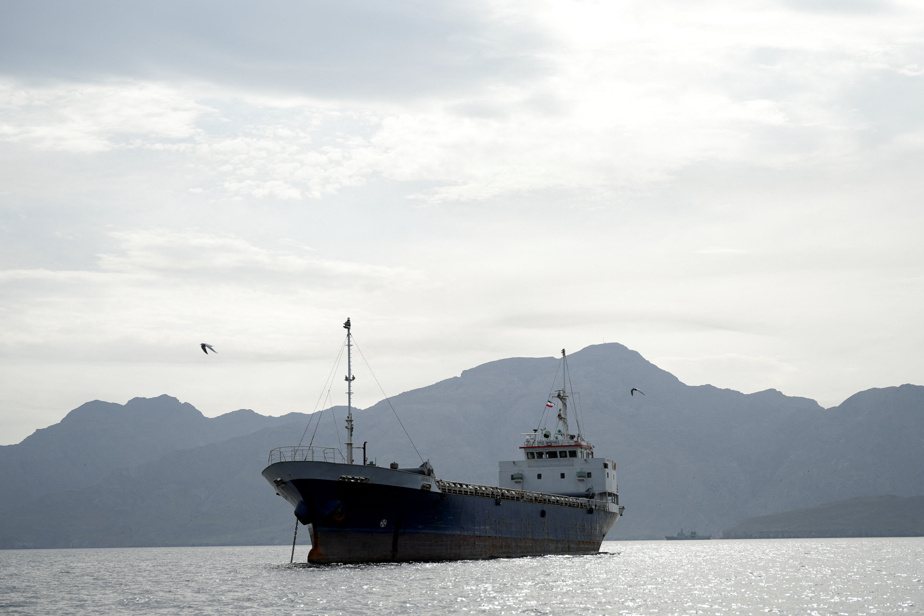
In parallel, the US executive branch issued a warning stating that vessels paying a fee to secure passage through the Strait of Hormuz could themselves be exposed to sanctions.
On Wednesday, US President Donald Trump urged the Iranian authorities to accelerate the conclusion of an agreement with the United States aimed at ending the conflict, as talks between Washington and Tehran have struggled to make progress for several days.
The previous day, he said that Iran had informed the United States that the country is in a “state of collapse” and that it wants Washington to open the Strait of Hormuz “as soon as possible”.
The occupant of the White House cancelled over the past weekend the trip by his envoys, Steve Witkoff and Jared Kushner, which had been scheduled to take place in Islamabad for new negotiations with Iran to bring an end to the conflict. He referred to “considerable confusion and internal power struggles” within the Iranian “leadership”, adding that “no one knows who is in charge — not even them”.