International
Europe’s Nuclear Recalculation Amid the Iran War and Energy Shock
The war between the United States and Iran has exposed Europe’s deep vulnerability to disrupted energy imports, reviving nuclear power as a strategic option for energy security. Amid rising geopolitical risk and volatile prices, nuclear energy is increasingly framed as a long-term stabiliser despite its economic, political and technical constraints.

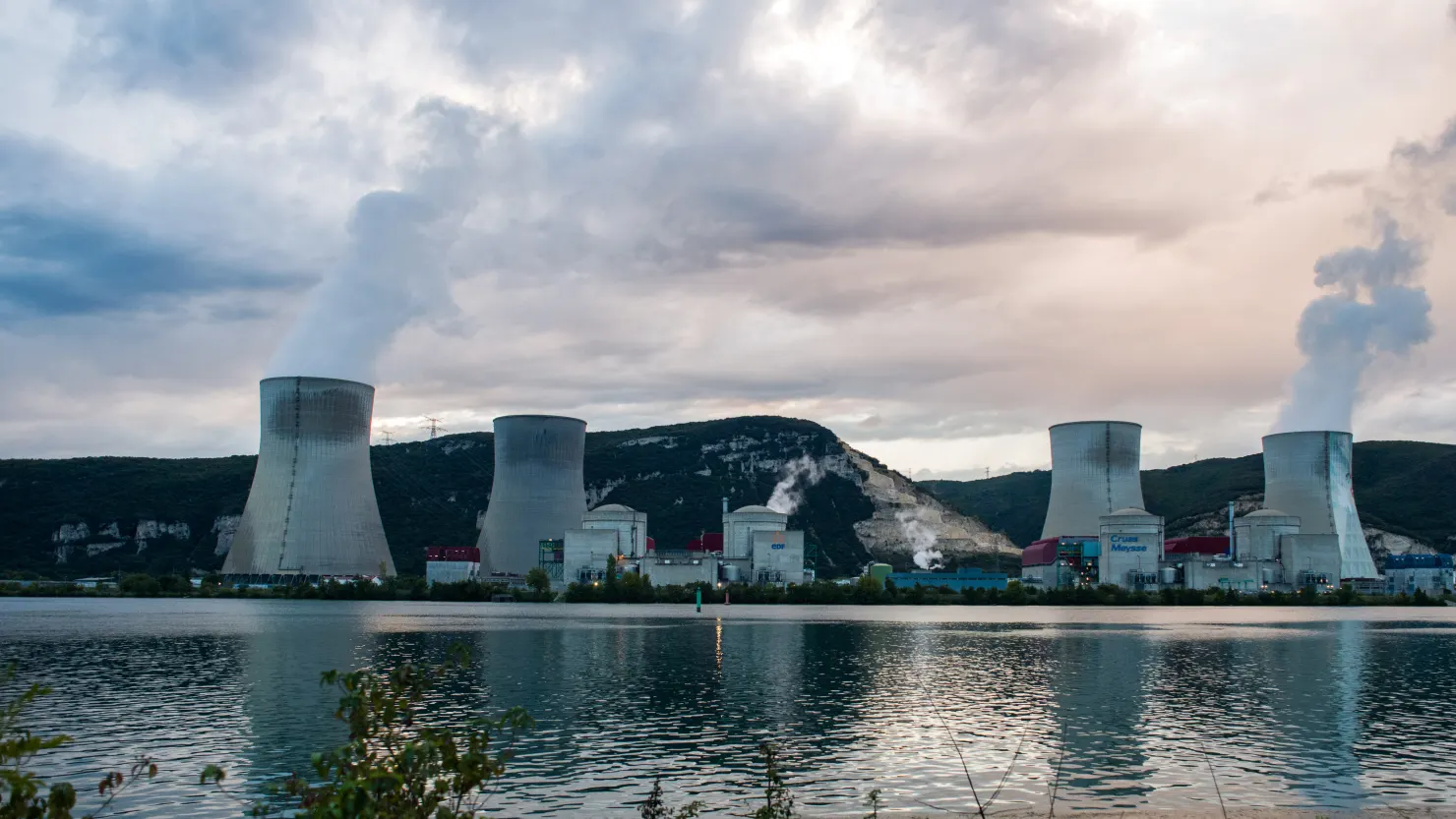
Europe’s renewed interest in nuclear energy is being accelerated by the energy supply shock triggered by the war between the United States and Iran, particularly the effective closure of the Strait of Hormuz, which has exposed the continent’s dependence on imported oil and gas. The disruption has intensified concerns about energy security at a time when Europe is already grappling with volatile prices and geopolitical risk. In this context, nuclear power is being reconsidered by policymakers and analysts as a potential stabilising force capable of reducing reliance on vulnerable supply routes and external producers.
Nuclear energy is presented as an attractive option because of its reliability, low carbon emissions and capacity to deliver large amounts of baseload power regardless of weather conditions. France stands out as the leading European example, generating more than 60% of its electricity from nuclear plants and benefiting from comparatively lower energy prices. By contrast, countries such as Germany and the United Kingdom, which have spent decades scaling back or decommissioning reactors, are now facing renewed questions about whether past decisions have left them more exposed to external shocks.
The war with Iran has underscored how countries with established nuclear fleets, including the United States, China and France, are structurally better positioned to absorb energy disruptions. Analysts argue that for nations lacking abundant domestic energy resources, nuclear power may become a necessary—if costly—component of long-term energy resilience. High upfront investment, long construction timelines, waste management challenges and public opposition rooted in memories of past nuclear accidents remain significant obstacles, making any expansion neither quick nor straightforward.
Despite these constraints, the current crisis is increasingly viewed as a turning point that could shift Europe’s energy debate. Calls from international energy experts to strengthen resilience through diversified supply, including nuclear alongside renewables, are gaining traction. The war has transformed nuclear power from a politically sensitive option into a strategic consideration, reframing it less as a legacy technology and more as a tool for insulating European economies from future geopolitical and energy supply shocks.
SOURCE: CNBC