Influences
Erased Expressions: How Censorship Amplifies Art from Michelangelo to Banksy
Banksy’s censored courthouse mural joins a legacy of suppressed art—from Michelangelo to Goya—where erasure paradoxically amplifies cultural resonance. By attacking provocative works, authorities often cement their power as symbols of defiance in collective memory.

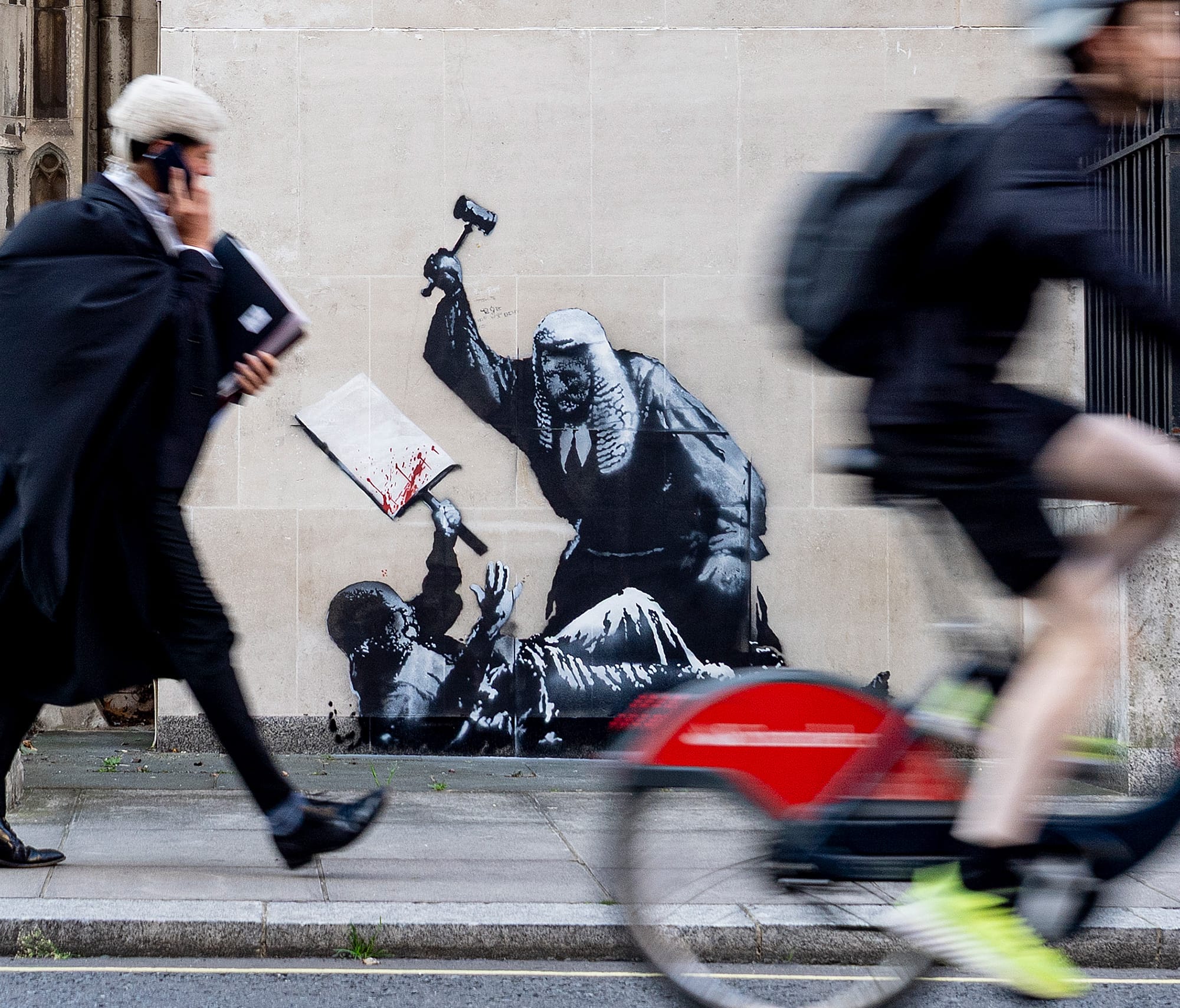
Banksy’s recent mural at the Royal Courts of Justice in London, depicting a judge violently attacking a protester, was partially erased by authorities within days due to allegations of criminal damage under the Criminal Damage Act of 1971. This incident mirrors a long history of artistic censorship, including Michelangelo’s “The Last Judgment,” which was altered following the Council of Trent’s decrees against indecent imagery. The destruction of Frans Floris’s altarpiece by Protestant iconoclasts and the seizure of Goya’s paintings by the Inquisition further illustrate the challenges artists face from legal constraints. Honoré Daumier also encountered legal issues for his lithograph, “Gargantua,” which incited controversy. These examples underscore the ongoing conflict between artistic expression and regulatory authority, prompting reflection on whether such censorship ultimately increases the cultural significance of the affected works. The narrative suggests that erased or censored art can leave a profound impact, as its absence may resonate more powerfully in cultural memory.
SOURCE: BBC