International
Cyberattack Disrupts Check-in Systems at Major Airports
Collins Aerospace faced a significant cyberattack that disrupted check-in systems, leading to widespread flight cancellations and delays at major airports, including Heathrow and Brussels. The incident highlights ongoing vulnerabilities in the aviation industry, underscoring the need for improved cybersecurity measures and collaboration among stakeholders.

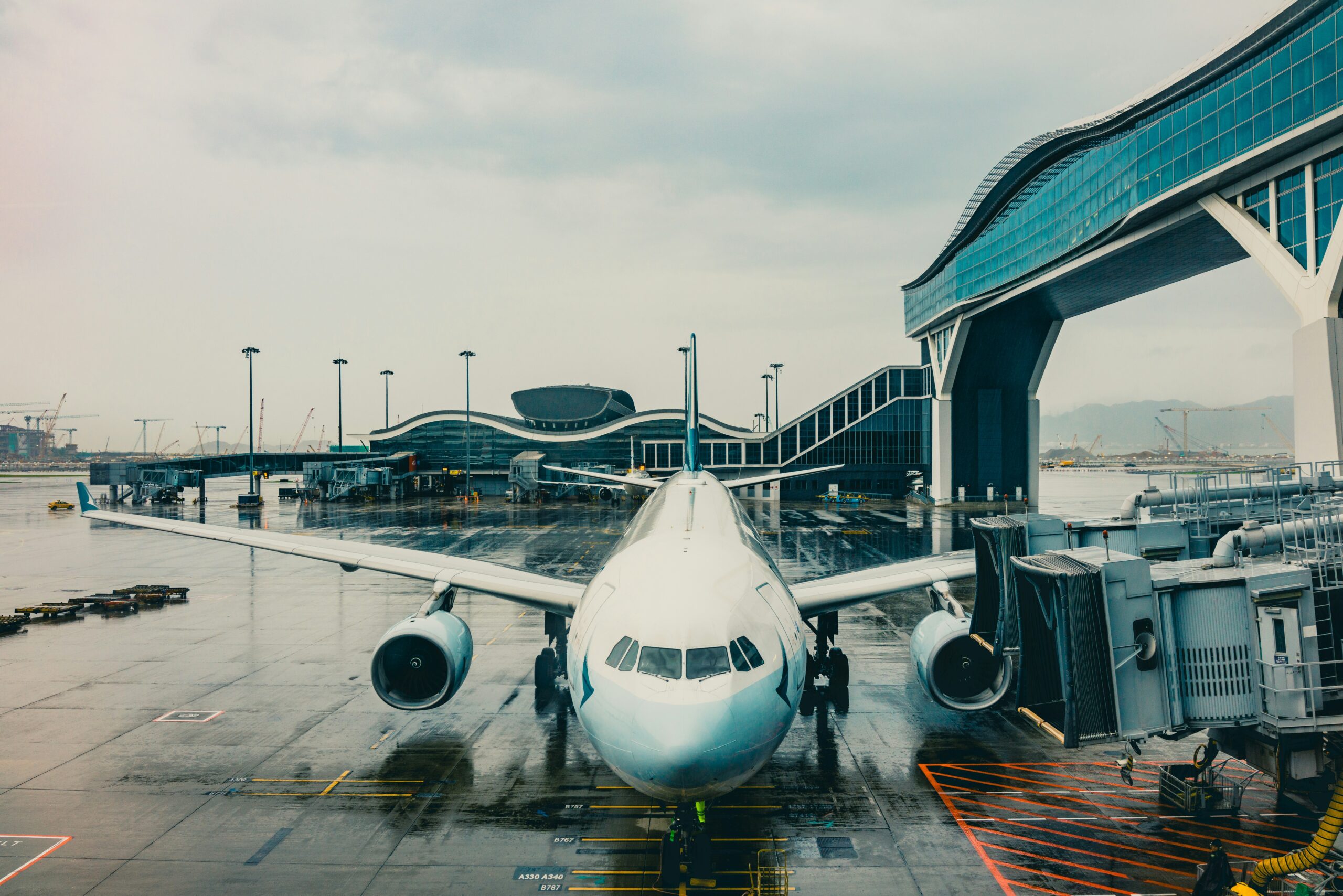
Collins Aerospace, a provider of check-in and boarding technology for airlines, experienced a significant hacking attack that disrupted operations at multiple airports. The parent company RTX reported a “cyber-related disruption” to its MUSE software affecting electronic customer check-in and baggage drop processes. As a consequence, heavy disruptions and flight cancellations were reported, particularly at Brussels Airport, which requested airlines to cancel half of Monday’s scheduled departing flights due to unresolved issues with the check-in system.
On a Sunday morning, 38 departures and 33 arrivals had been canceled at Heathrow, Berlin, and Brussels, following 35 departures and 25 arrivals canceled the day before. Brussels experienced the most cancellations, with 15 flights affected. Heathrow and Brussels airports communicated their efforts to manage the situation, while Dublin Airport experienced minimal impact, maintaining a full schedule albeit with some manual workarounds affecting check-in processes.
The incident is part of a troubling trend of cyberattacks targeting the aviation industry, which has made headlines with multiple high-profile breaches. Cybercriminals often exploit vulnerabilities in shared digital systems across airlines and airports, leading to widespread disruptions. Experts advocate for improved software system updates, robust backup solutions, and enhanced information-sharing protocols among technology providers, airlines, and governments to better defend against such attacks.
SOURCE: CNBC