International
Bridging the AI Communication Gap: Parents and Teens
A significant gap exists between parents’ perceptions and teenagers’ actual use of artificial intelligence (AI), with many teens leveraging it for homework and emotional support. This disconnect underscores the need for open communication within families about AI’s role and implications in their lives.

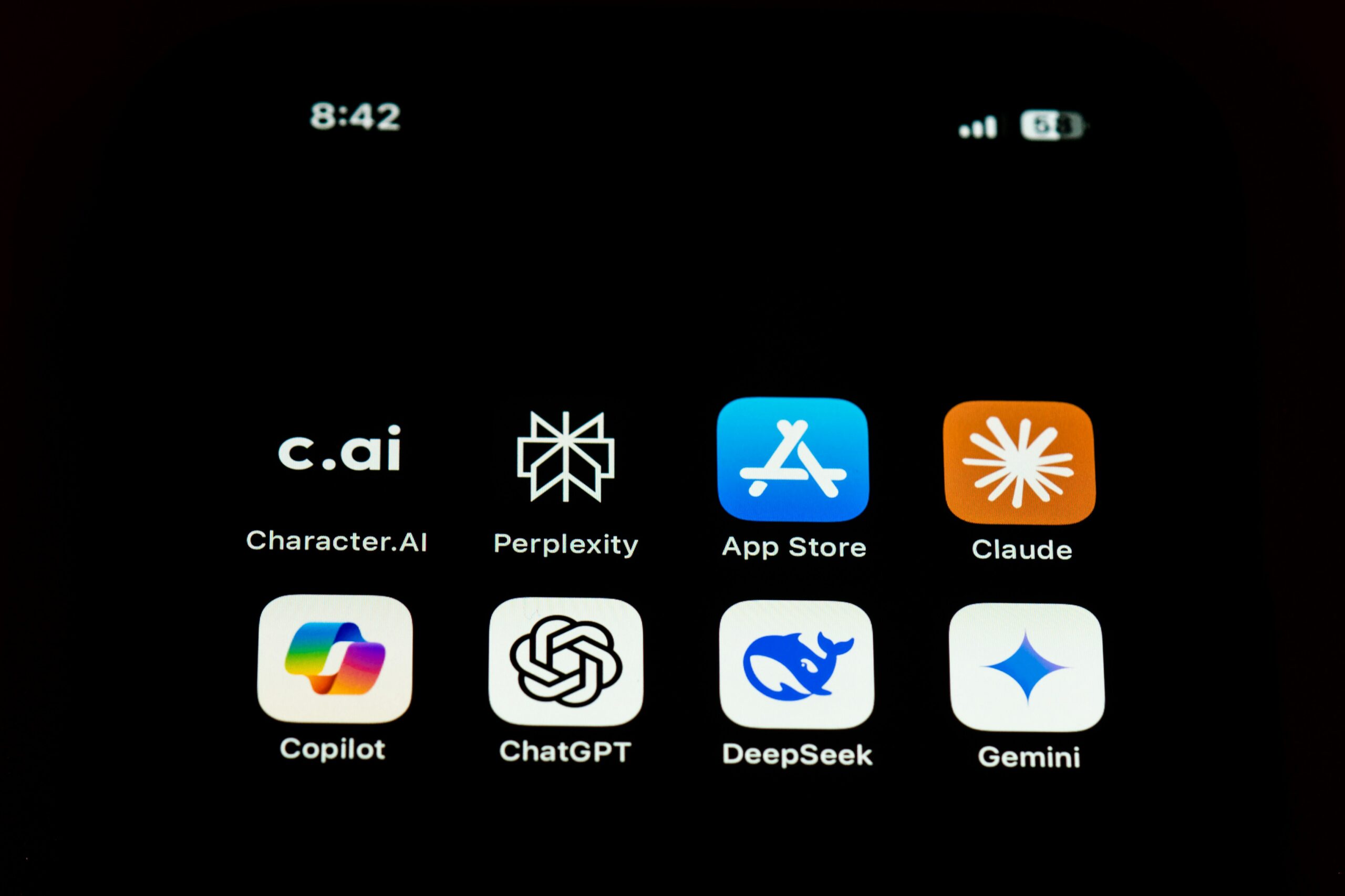
There is a significant disconnect between parents’ perceptions and teenagers’ actual usage of artificial intelligence (AI) in their daily lives. Surveys from the Pew Research Center and Common Sense Media reveal that while only 51% of parents believe their children use AI, 64% of teens report using it regularly, primarily for homework, casual conversation, and even emotional support. Many parents remain unaware of how their children are leveraging AI, leading to concerns about its implications, particularly when it comes to emotional dependency. A notable finding is that some teens view AI as a confidant, which is troubling for many parents. The research indicates a lack of communication about AI within families, with many parents admitting they haven’t discussed it with their children. The findings highlight that a substantial number of teens are utilizing AI responsibly, yet there are underlying issues, such as using AI to avoid real conversations or as a substitute for human interaction. While many parents express apprehension regarding AI in their children’s lives, teens often embrace it as a tool for learning and creativity. This generational divide emphasizes the need for parents to engage in discussions about AI, fostering a better understanding of its role in their children’s lives and addressing any concerns collaboratively.
SOURCE: BBC