International
Béla Tarr, Filmmaker of Contemplative Epics, Dies at 70
Bela Tarr, the influential Hungarian director renowned for his contemplative, long-take cinema, has died at age 70. His monumental films, such as the seven-and-a-half-hour “Satantango,” are celebrated for their starkly beautiful depiction of marginal lives and their profound commitment to human dignity.

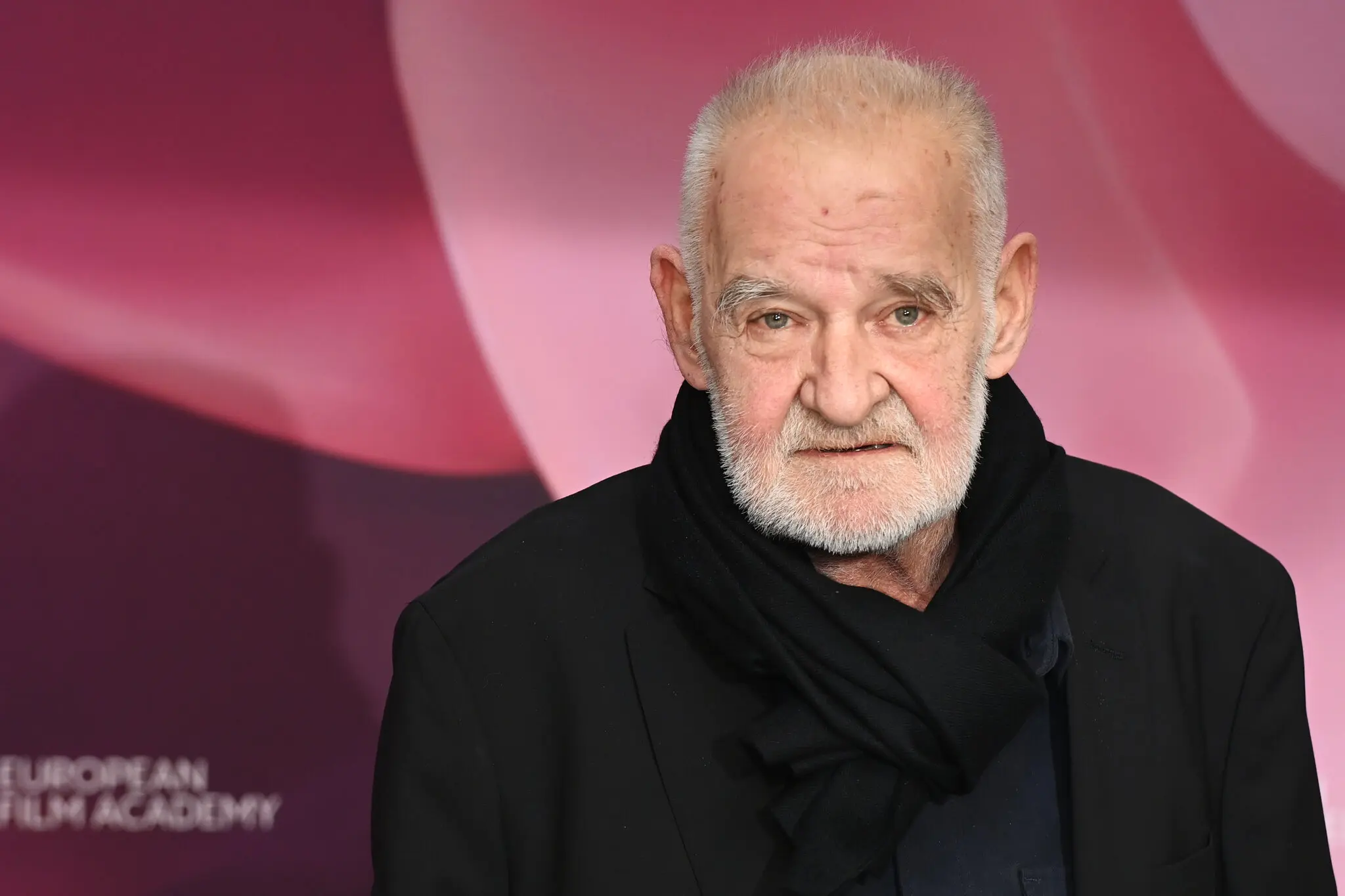
Bela Tarr, the celebrated Hungarian filmmaker renowned for his monumental, slow-moving black-and-white epics, has died at age 70 following a series of long illnesses. A titan of art-house cinema, Tarr’s radical style featured extraordinarily long takes that challenged conventional narrative and explored the stark realities of time and human endurance. His seminal works, including the seven-and-a-half-hour “Satantango” and “Werckmeister Harmonies,” adapted from novels by László Krasznahorkai, meticulously depict the bleak landscapes and marginalized lives of post-communist Hungary. Though his films achieved critical acclaim and festival recognition, they remained outside mainstream popularity. Throughout his career, Tarr maintained a profound commitment to portraying human dignity, focusing on impoverished and overlooked characters with unflinching empathy. An outspoken critic of Hungary’s authoritarian government under Viktor Orbán, Tarr was hailed as a figure of artistic and personal freedom. After his final film, “The Turin Horse,” won the Grand Jury Prize at the Berlin International Film Festival in 2011, he retired from filmmaking to teach, establishing a film school in Sarajevo. He is remembered as a radical and uncompromising artist whose work carved a unique and enduring space in world cinema.
SOURCE: THE NEW YORK TIMES