International
Asian Markets Dip Amid Cautious Optimism Over Middle East Ceasefire Negotiations
Asian markets declined amid cautious optimism about Middle East ceasefires, diverging from Wall Street’s record highs. U.S. President Trump noted potential progress in negotiations but left timelines unclear, as oil prices also showed declines.

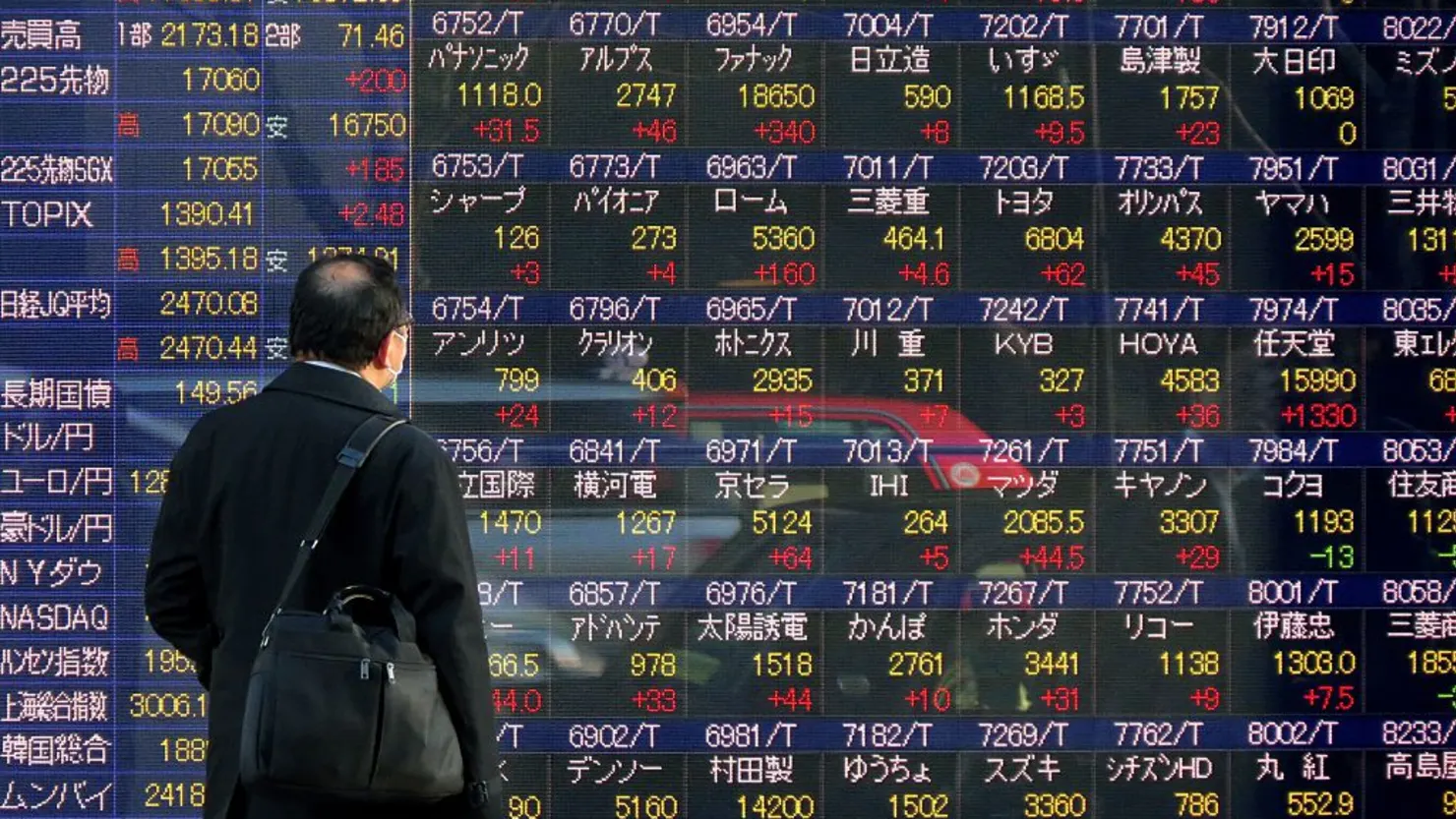
Most Asian markets experienced declines despite some optimism surrounding Middle East tensions, diverging from the record highs seen on Wall Street. U.S. President Donald Trump announced progress toward ceasefires, mentioning a 10-day ceasefire agreement between Israel and Lebanon, but the timelines for resolving the conflict remained vague. Trump suggested that the war in Iran might conclude soon, with potential U.S.-Iran negotiations likely to take place next weekend as a two-week ceasefire approaches its expiration.
In the commodities market, West Texas Intermediate crude oil prices fell by 1.15%, while Brent crude declined by 0.68%. In Japan, the export credit agency announced plans for a substantial investment window aimed at securing energy supplies for Asian nations, amidst concerns about oil market volatility affecting foreign exchange rates. Following a record high, Japan’s Nikkei 225 saw some profit-taking, concluding the day down 1.75%. Other Asian markets exhibited mixed results, with South Korea’s Kospi slightly lower and India’s Nifty 50 gaining modestly.
Futures for the S&P 500 and Nasdaq 100 were trading around the flatline, while Dow Jones Industrial Average futures experienced a minor increase. In the previous trading session, the S&P 500 and Nasdaq both reached intraday and closing records as major indices continued their upward trajectory.
SOURCE: CNBC