Influences
Cervical Cancer : Sustained Decrease in Incidence Rates in Morocco
Cervical cancer currently ranks fourth among women, with a rate of 6.5% and an incidence of approximately 8.3 cases per 100,000 women, whereas it previously ranked second with a rate of 12.8% and an incidence of 13.46 cases per 100,000 women.

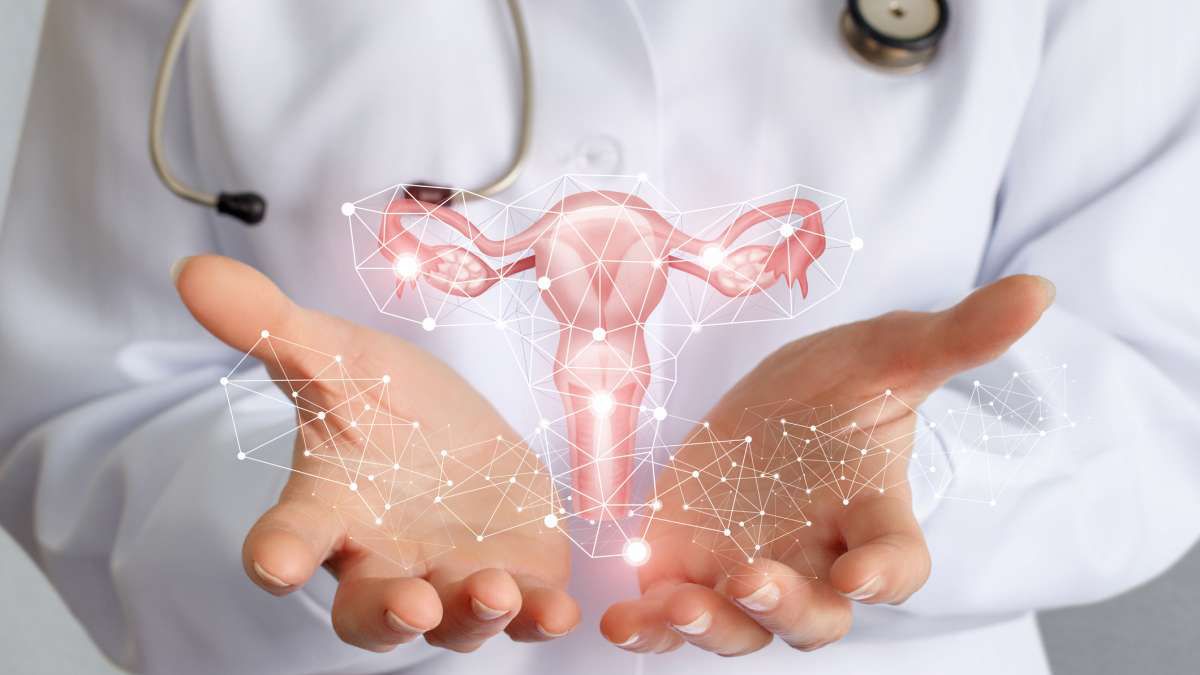
The incidence rates of cervical cancer have shown a sustained decline in recent years, said on Monday in Rabat the Minister of Health and Social Protection, Amine Tehraoui.
In response to an oral question at the House of Representatives on “the fight against the spread of cervical cancer”, Tehraoui stated that this pathology currently ranks fourth among women, with a rate of 6.5% and an incidence of approximately 8.3 cases per 100,000 women, whereas it previously ranked second with a rate of 12.8% and an incidence of 13.46 cases per 100,000 women.
These figures constitute a clear indicator of the effectiveness of the public policies adopted, the minister noted, pointing out that his Department has made the fight against cervical cancer a national priority through its integration into the 2020-2029 National Cancer Control Plan, in accordance with Morocco’s international commitments and the recommendations of the World Health Organization (WHO) aimed at eradicating it as a public health problem.
The national strategy is based on three complementary axes, the first of which concerns prevention, through the integration of vaccination against the human papillomavirus into the National Vaccination Program since 2022, as well as awareness and information campaigns, he added.
This strategy also includes early detection through a well-structured national program targeting women aged 30 to 49, implemented in 61 prefectures and provinces, screening approximately 500,000 women per year, and strengthening the network with 59 reference centers for reproductive health, the minister noted.
The third axis focuses on the care and treatment of more than 1,000 precancerous cases per year, as well as the provision of specialized treatments in 12 regional oncology centers, in addition to two reference centers in the university hospital centers of Rabat and Casablanca, in accordance with updated national therapeutic protocols.
Tehraoui also highlighted that this integrated approach, based on prevention, early detection, and therapeutic care, has produced tangible results, reflected in a steady decrease in cervical cancer incidence rates and improved chances of treatment and recovery.
Reaffirming his Department’s commitment to continue and strengthen these efforts, he emphasized that vaccination represents a responsible health choice, supported by recent scientific evidence and the recommendations of international public health organizations.