Business
Navigating the Risks of AI-Driven Shopping This Black Friday
This Black Friday, the rise of “agentic shopping” through AI is transforming consumer behavior, making shopping easier but increasing the risk of digital fraud. Retailers must adapt their strategies to maintain consumer trust amidst economic uncertainty and a split in spending patterns.

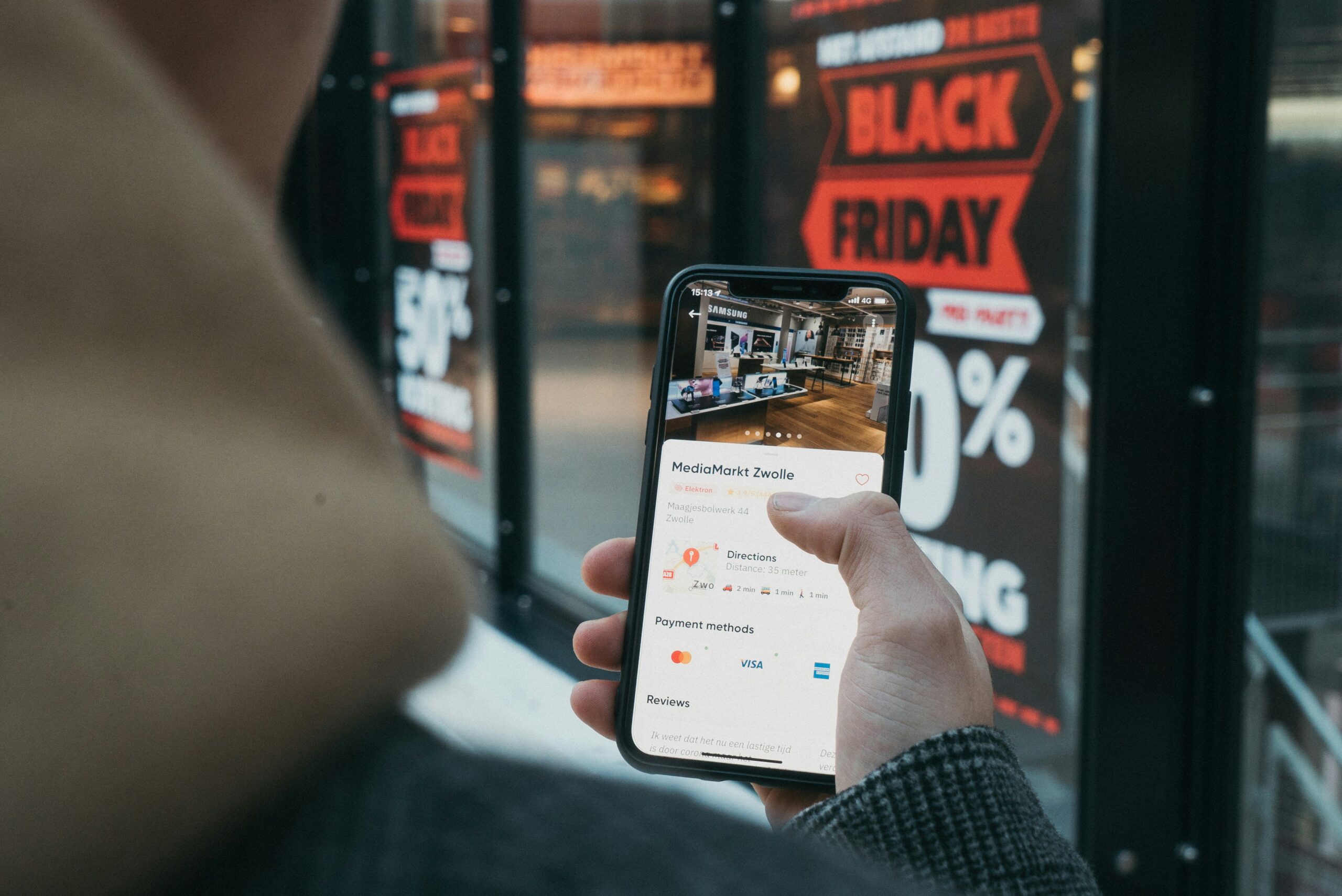
This Black Friday marks a notable shift as consumers and retailers receive warnings about the risks associated with “agentic shopping,” where buyers increasingly rely on large language models to find products, compare options, and make purchases with minimal human interaction. While this technological advancement simplifies shopping for consumers, it simultaneously facilitates increased digital fraud, with reports indicating a 200% rise in agentic shopping and a nearly tenfold surge in fraudster activity utilizing AI tools. Retailers are reevaluating their response strategies, as outright bans on AI-driven purchases may not be effective in an environment where such technologies are becoming increasingly prevalent. According to a McKinsey & Company report, fashion executives view AI and digital tools as significant opportunities for growth in the coming years, emphasizing the need for brands to adapt their marketing and e-commerce strategies to maintain visibility in an AI-dominated landscape. The current economic climate has resulted in shaky consumer confidence, particularly in Europe and the U.S., with many consumers feeling the pressure of a “K-shaped economy,” where wealth disparities affect spending habits. Retailers must focus on delivering genuine value to customers to navigate this challenging environment effectively.
SOURCE: CNBC