Business
Impact of U.S.-Israel Conflict on Global Automotive Giants: A Focus on Middle Eastern Markets
The U.S.-Israel war with Iran threatens international automakers like Toyota, Hyundai, and Chery, which hold significant market shares in the Middle East, due to potential disruptions in sales, logistics, and rising oil prices. The closure of the Strait of Hormuz could further complicate global automotive supply chains, increasing delays and costs.

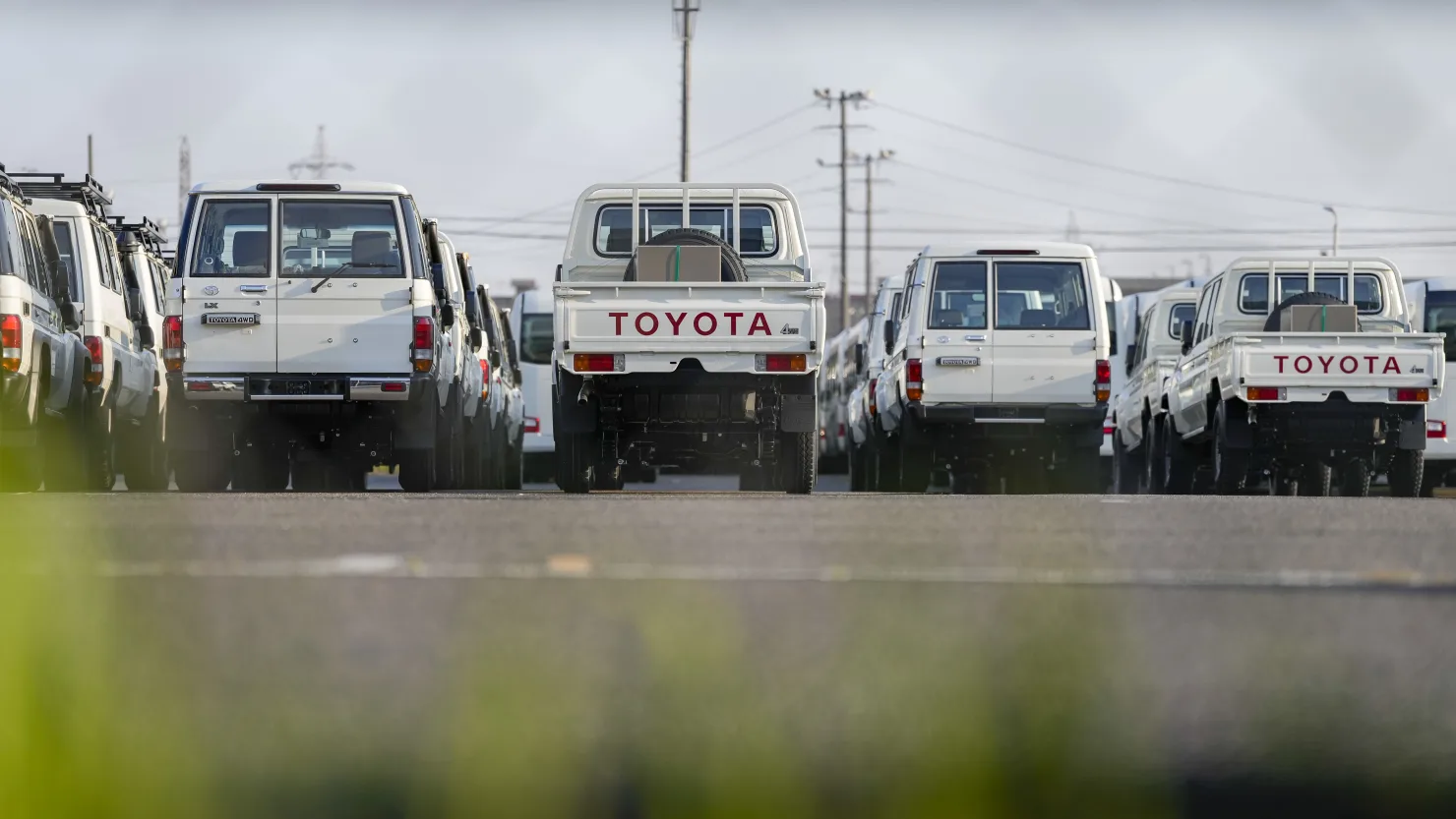
The U.S.-Israel war with Iran poses significant challenges for international automakers, particularly Toyota, Hyundai, and Chinese companies like Chery, which collectively account for approximately one-third of sales in the Middle Eastern market. Toyota leads with a 17% market share, followed by Hyundai at 10% and Chery at 5%. The impact of the conflict is expected to extend beyond regional sales disruptions; the potential closure of the Strait of Hormuz, a critical passage for oil and vehicle shipments, could add 10 to 14 days to transit times, heightening logistics costs and delaying deliveries. This situation is compounded by rising oil prices, with U.S. crude oil surpassing $90 per barrel and retail gasoline prices experiencing a significant increase. While the effects on Japanese automakers appear limited at this stage, close monitoring of developments is essential. Stellantis, the parent company of Chrysler and Jeep, may face substantial exposure amid these challenges, reflected in an 11% drop in its stock price. Although Toyota operates without direct business in Iran, the company is taking steps to ensure the safety of its employees in the Middle East. Hyundai and Chery have not provided comments on the situation.
SOURCE: CNBC