Kingdom
Bensaid: Moroccan authors and publishers will receive royalties generated by the reproduction of their works
The minister stated on Tuesday, 12 May, that this development is the outcome of sustained legislative action carried out as part of a comprehensive reform of the legal texts governing copyright and related rights. The new draft law currently being prepared aims to address the shortcomings of previous legislative frameworks by harmonising the national legal system with international standards.

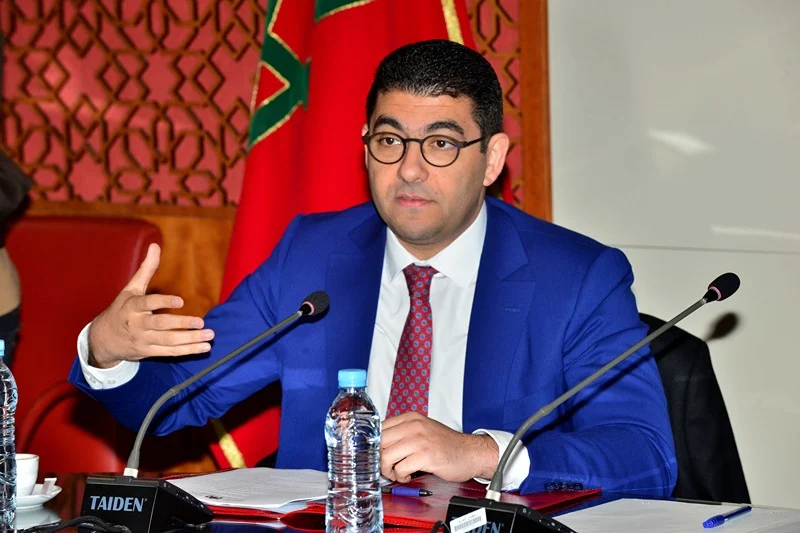
The activation of the mechanism enabling the book sector to benefit from revenues generated by reprography reflects a genuine political will to protect the works of authors and publishers and to rehabilitate the sector, which constitutes the foundation of Morocco’s cultural industries and a reflection of the Kingdom’s intellectual identity, stated on Tuesday in Rabat the Minister of Youth, Culture and Communication, Mohamed Mehdi Bensaid.
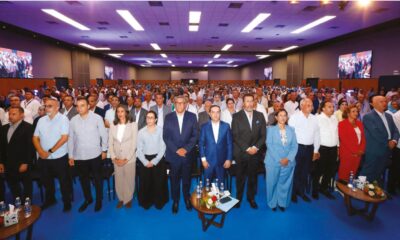
Speaking at a meeting devoted to the implementation of rights related to reprographic reproduction, organised by his ministry (Department of Communication) in partnership with the Moroccan Copyright and Related Rights Office (BMDAV), Mr Bensaid indicated that Moroccan authors and publishers will now begin to receive royalties generated by the reproduction of their works. This represents both legal and economic recognition of their intellectual contribution, as well as a means of protection against any unlawful exploitation of their creations without compensation, he noted.
Mr Bensaid emphasised that this development is the culmination of sustained legislative action undertaken as part of a comprehensive reform of the legal texts governing copyright and related rights. The new draft law currently being prepared aims to address the shortcomings of previous legislative frameworks by harmonising the national legal framework with international standards and with the conventions ratified by the Kingdom, particularly in light of the growing challenges linked to the accelerated pace of digital transformation, he explained. The draft provides for strengthened protection for authors across various fields and introduces clear and transparent mechanisms for the collection and distribution of royalties, including those relating to reprography, he continued, adding that such an approach is likely to encourage investment in cultural production and to ensure Moroccan authors and publishers receive decent incomes from their creative work.
The minister stated that this reform aims to do justice to authors and publishers, as central actors in the book industry, by guaranteeing their economic rights relating to the exploitation of their works, while at the same time ensuring a balance between the citizen’s right of access to knowledge and the need to preserve intellectual property. He also stressed the strategic role of the BMDAV in implementing this reform, noting that the institution is undergoing a process of transformation intended to move it from a purely collecting body to a modern structure based on speed, digitisation, transparency and close engagement with professionals in the sector.
For her part, the Director of the BMDAV, Dalal Mhamdi Alaoui, highlighted the challenges related to expanding access to books and reading, particularly the proliferation of counterfeiting and piracy. She warned of the harmful consequences of these practices for the creative and cultural industries, exacerbated by the rise of digital piracy, which poses a direct threat to the rights of authors and publishers. Aware of the scale of this phenomenon, the ministry has drawn up a draft amendment to Law 2.00 on the protection of copyright and related rights, aimed at strengthening protection mechanisms and combating all forms of piracy, she recalled.
Ms Mhamdi Alaoui also stressed that the development of the copyright and related rights system is no longer limited to protecting works against infringement, but now also encompasses the regulation of the conditions of their lawful exploitation, with the aim of ensuring fair remuneration and safeguarding the sustainability of cultural creation. The reprography royalty system constitutes one of the principal mechanisms in this regard, particularly as it contributes to regulating reproductions authorised by law and to redistributing the corresponding revenues for the benefit of rights holders.
This meeting was marked by two presentations, focusing respectively on the legal and regulatory framework governing reprography rights, and on the project for a digital platform dedicated to the registration and declaration of authors and publishers.