Business
Automotive Industry: Morocco Already Fully Immersed in the Electric Vehicle Sector
Following the major success of combustion engine vehicles, the national production hub shifts to electrification—a transition gaining momentum, highlighted by Stellantis and Renault’s expanding initiatives.

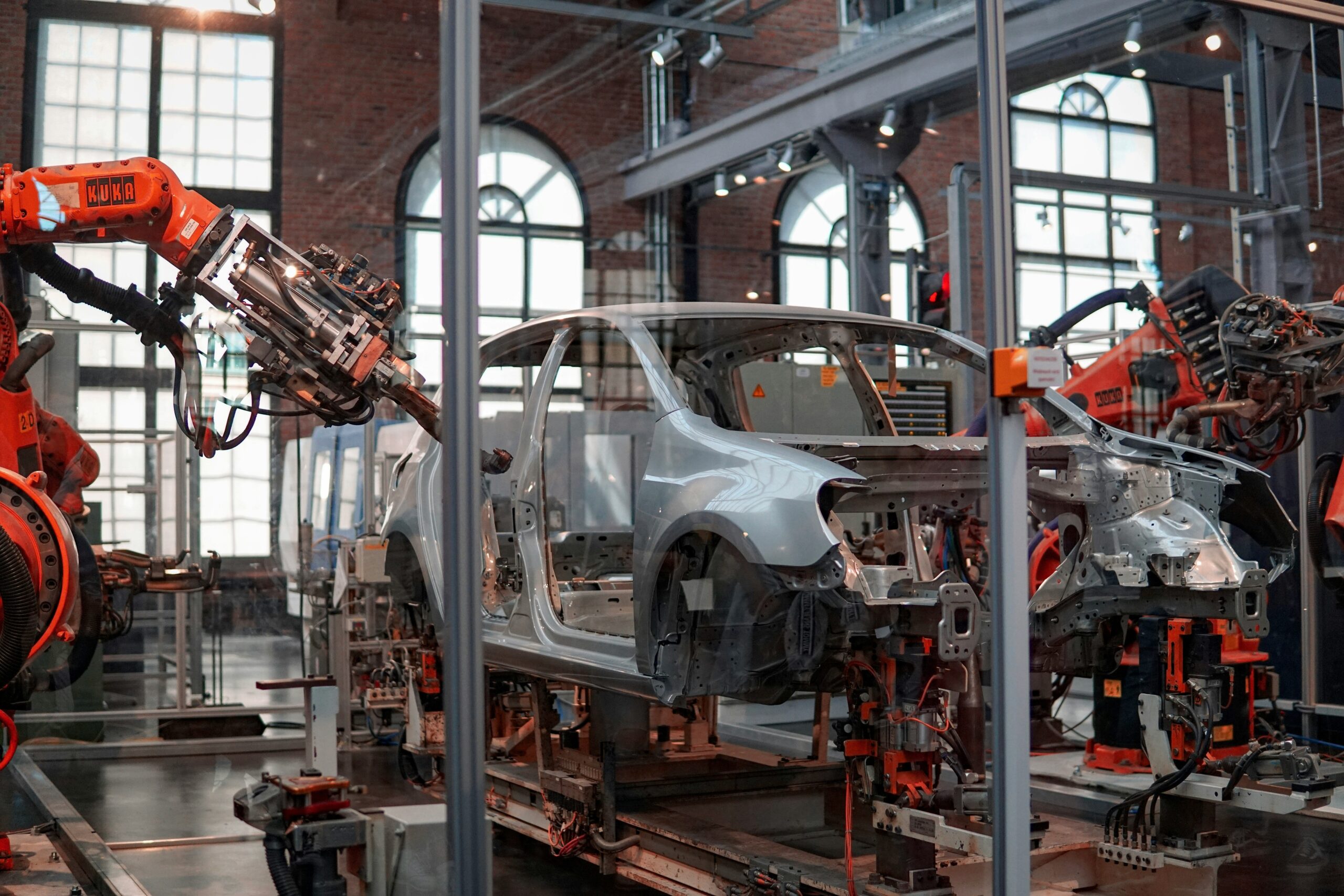
As Morocco’s top export sector, generating 157.6 billion dirhams in 2024, the national automotive industry remains a cornerstone of the country’s economy. Structured around dense ecosystems of suppliers clustered around two global manufacturers—Renault and Stellantis—Morocco has solidified its position as one of the world’s most competitive hubs for vehicle production and export. Despite this success in combustion-engine vehicle manufacturing, the sector refuses to rest on its laurels. To maintain its continental leadership, it has actively pursued a transition toward electrified production in recent years.
This shift is driven by the dual imperative to adapt to evolving demands in target markets and to elevate the sophistication of its industrial base through cutting-edge technology adoption. The national production platform has now decisively committed to electric vehicle (EV) manufacturing as part of a phased strategy to expand local capacity.
An Inevitable Transition to Secure Morocco’s Role as Europe’s Gateway for Automotive Exports
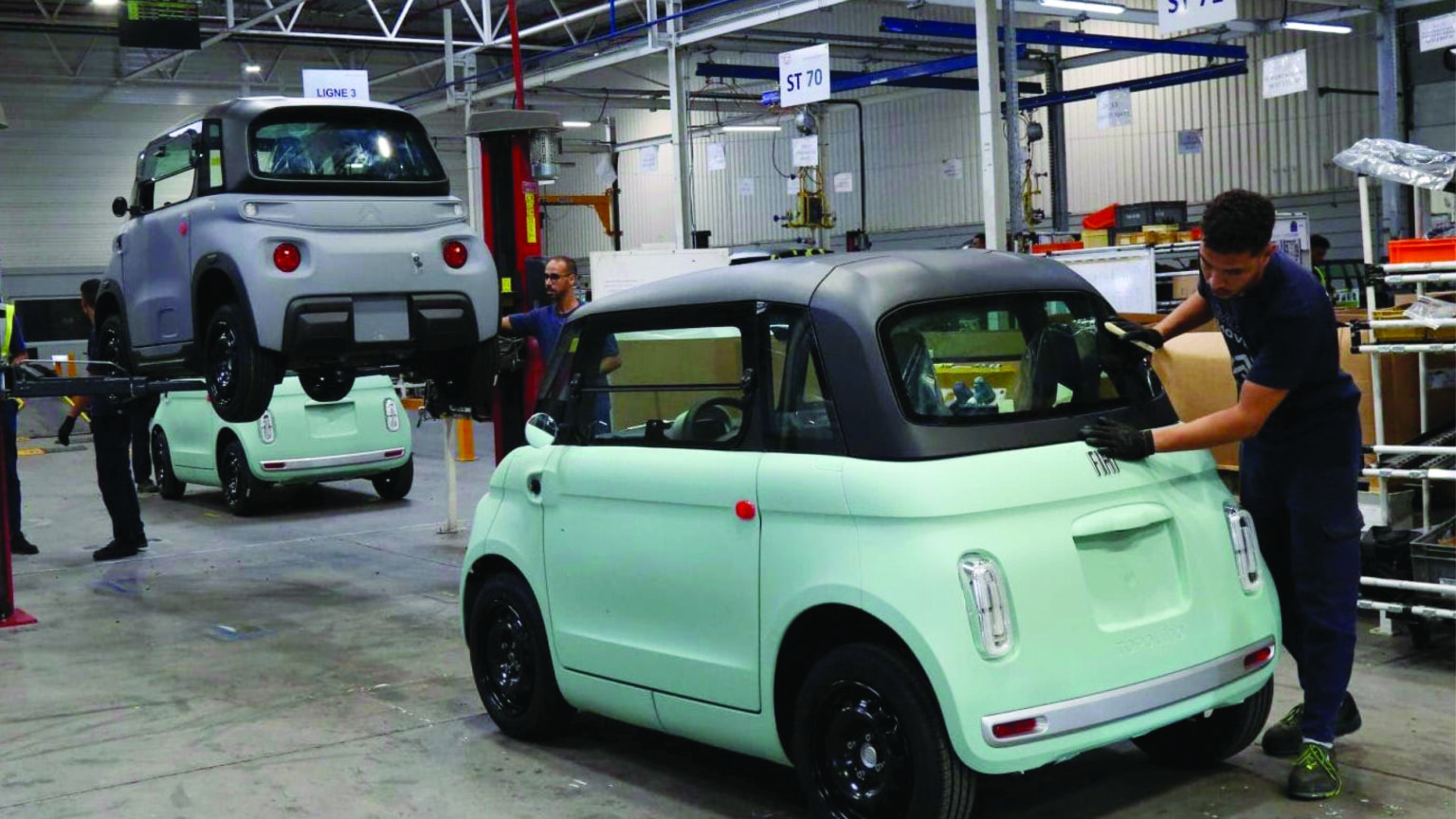
Morocco’s electrification journey is already underway. At Stellantis’ Kenitra plant, the 100% electric Citroën Ami, Opel Rocks-e, and Fiat Topolino quadricycles have been rolling off production lines for years. Output for these models has steadily increased to meet soaring European demand. Meanwhile, Renault’s Tangier facility began producing Morocco’s first hybrid vehicle, the Dacia Jogger, over a year ago. According to government figures, annual hybrid production capacity now stands at 120,000 units.
In the fully electric segment, Morocco currently produces approximately 70,000 vehicles annually. Public authorities, in coordination with industry leaders, aim to boost this figure to 107,000 units by year-end—a significant ramp-up positioning the nation to achieve critical mass in “Made in Morocco” EV production within the medium term.
The government has set bold targets for the next five years, anticipating that 60% of Morocco’s exported vehicles will be electric by 2030. To enable this transition, officials are building a complete, 75% locally integrated ecosystem for battery production—a strategic move unlocking opportunities for domestic manufacturers and suppliers.
Renault and Stellantis Lead the Charge
Recent announcements from Renault and Stellantis reinforce Morocco’s strategic shift toward electrification. In early July, Renault’s Tangier plant celebrated the rollout of its 2,000th Mobilize Duo—the group’s first fully electric quadricycle produced in Morocco—marking deeper integration of electrification technologies at the Melloussa facility.
The industrialization of this vehicle required investments in a new assembly line with an annual capacity of 17,000 units. According to Renault, manufacturing this model with Moroccan expertise has strengthened the local industrial ecosystem by incorporating “a new category of domestic suppliers specializing in EV-specific components.”
Renault plans to further scale its EV output. Mohamed Bachiri, Managing Director of Renault Group Morocco, recently revealed to LaVieéco: “The fourth generation of the Dacia lineup, to be produced and launched in Morocco between 2027 and 2028, will include an electric variant.”
Stellantis is also advancing its Moroccan EV projects. The group recently inaugurated expanded production capabilities at its Kenitra plant, attended by Morocco’s Head of Government. The facility’s overall capacity will double to 535,000 vehicles annually, including 135,000 electric micromobility vehicles. Long-term plans even suggest a future annual capacity of 450,000 EVs.
Industry reports indicate Stellantis may soon launch production of two new Fiat models—hybrid and fully electric—at Kenitra in the near future. Meanwhile, output for its existing micromobility EVs (Citroën Ami, Opel Rocks-e, Fiat Topolino) will surge from 20,000 to 70,000 units this year.
Starting July 2025, Kenitra will produce the Fiat Tris—a 100% electric three-wheeled vehicle engineered by Moroccan technicians at Stellantis’ Africa Technical Center in Casablanca. With an annual production target of 65,000 units, this model will feature significant local content.
Samir Cherfan, Stellantis’ Chief Operating Officer for the Middle East and Africa, emphasized: “For electric micromobility, the localization rate will exceed 60%, as we begin in-house battery production by year-end.”
Breaking new ground, Stellantis has initiated Morocco’s first hybrid engine production. A May 2025 launch phase at Kenitra focuses on assembling next-generation Mild Hybrid (MHEV) engines, with annual capacity set at 350,000 units. A second phase, starting November 2026, will introduce machining for engine components, achieving 45% local integration initially. These advancements solidify Morocco’s role in high-value strategic segments and position the nation as a key player in sustainable mobility.
‘Made in Morocco’ Charging Stations
Beyond vehicles and engines, Stellantis’ Kenitra facility is now producing electric vehicle charging stations—a landmark advancement for Morocco’s EV infrastructure. Samir Cherfan, Stellantis’ Chief Operating Officer for the Middle East and Africa, confirmed: “A production unit for wallboxes, designed to charge electric cars faster, has been inaugurated.”
The new charging station production line will have an annual capacity of 204,000 units. Stellantis describes these wallboxes as “charging devices capable of handling higher power loads than standard outlets, significantly reducing charging time.” The systems also include “safety mechanisms to prevent overheating” and are marketed as premium solutions with advanced features, albeit at a higher cost.
This initiative marks a critical leap forward in accelerating EV uptake in Morocco, where alternative-energy vehicles still account for just 6.3% of the market despite growing sales. By localizing charger production, the project addresses a key barrier to adoption while reinforcing Morocco’s integrated EV supply chain.