Influences
ANME: The Bill on the National Press Council – A Vital Step to Address the Institutional Gap
The National Association of Media and Publishers (ANME) stresses the need for mobilization and vigilance to protect professional journalism and credible, structured media enterprises against fraudulent practices and impersonation schemes.

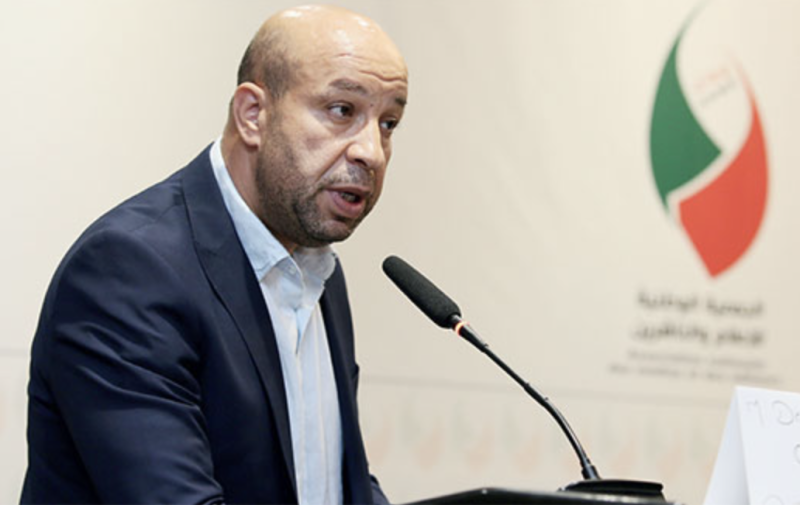
In a statement issued on Wednesday, July 9th, the National Association of Media and Publishers (ANME) emphasized that the current version of Bill 25-22, concerning the National Press Council, is the result of “consultations and exchanges of perspectives among key stakeholders in the sector.” It marks “a significant step toward enshrining the profession’s independence, strengthening its societal and institutional role, and safeguarding it against credibility-damaging practices—whether from internal affiliates or external opportunists exploiting social platforms like TikTok and YouTube.”
The association underscores the need for mobilization and vigilance to protect professional journalism and credible, structured media enterprises “against fraudulent practices and impersonation, whether stemming from so-called activist media, politicized press, or influencers and activists in virtual spaces.”
ANME also expressed regret over the contentious debate that followed the bill’s presentation to the Council of Government, criticizing attempts “to undermine a legislative effort deserving recognition—particularly provisions on the composition of the National Press Council’s governing bodies.” Amid the controversy, the statement notes, “the bill’s core objectives were overshadowed, even though they aim to establish democratic governance frameworks and strike a professional balance among media stakeholders, aligned with national and international sectoral advancements.”
The release reiterates that as a driver of reform and a strategic action plan to elevate professional media, ANME has consistently stressed the critical importance of Bill 25-22 in “filling the institutional void, reinforcing self-regulation mechanisms, and advancing the profession across multiple fronts while preserving its independence and shielding it from malpractice and abuses.”
The association believes the bill’s broader context and public debate “signal a positive shift toward implementing a comprehensive reform strategy for the national press system, in line with constitutional principles of free speech, self-regulation rights, and ethical safeguards.”
ANME reaffirmed its commitment to supporting this legislative evolution through intensified efforts to execute its action plan and professional development program, “protecting the rights of legitimate journalists, defending media enterprises, and fostering participatory approaches.”
The statement stresses that the current moment is “one of genuine reform,” urging that provisions on representation within the National Press Council “not be seen as obstacles but as catalysts to reinforce reform—whether through electing journalist representatives or appointing delegates for publishers and impartial experts.”
This approach, ANME argues, will recognize the contributions of robust, structured media enterprises driving reform while encouraging SMEs to evolve within a coherent economic framework.
The association asserts that “a strong, independent journalist can only thrive within a strong, professional, and independent media enterprise—and vice versa,” condemning “demonization campaigns against successful journalistic enterprises.” It reaffirms that addressing the profession’s challenges requires “a resilient entrepreneurial model that elevates smaller entities, free from the rent-seeking and disguised chaos dominating the media landscape.”