Influences
These news that one could read in 2030 (5/10)
No, this is not about building castles in the air. Morocco is making giant strides in various fields through numerous major projects. Within five years, several of them will have come to fruition. A mix of about thirty reports likely to be published in 2030.

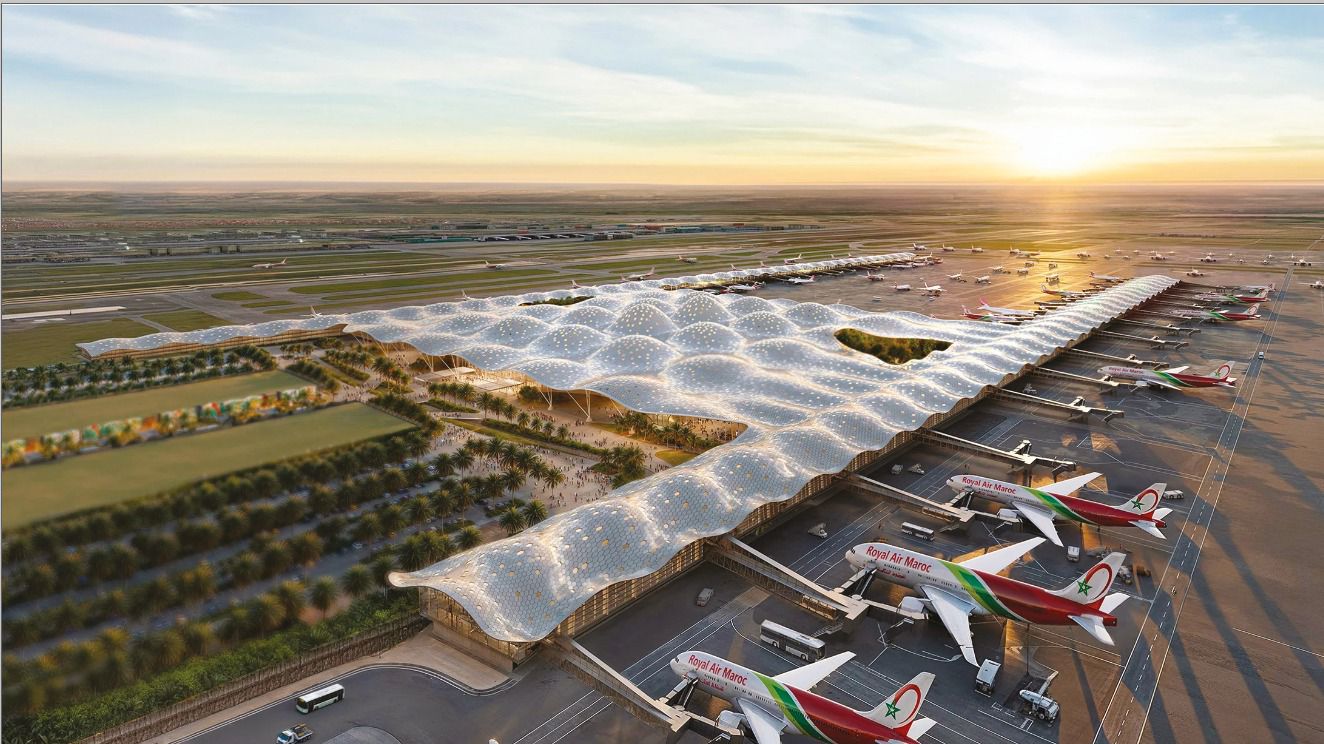
RAM : The fleet counts 150 aircraft
Royal Air Maroc just received, on May 17, 2030, a new aircraft that brings its fleet to 150 planes. This new acquisition is part of the 2023-2037 program contract signed between the government and RAM in July 2023, which has provided the national company with the means to achieve its ambitions. Mobilizing no less than 15 billion dollars of investments to substantially strengthen its fleet, the company aims to open 100 new international routes, allowing it to play among the big air carriers, knowing that its fleet did not exceed about fifty aircraft in 2025.
The increase in the national company’s capacity is a valuable contribution to the 2030 National Tourism Strategy, which aims to welcome 26 million visitors in this year. It also significantly contributes to the results of the National Airports Office, which recorded nearly 80 million passengers in the country’s airports.
The airline company does not intend to stop here: 50 more new aircraft are expected to be delivered during the next seven years to allow RAM to have a fleet of 200 planes.
Automobile : The threshold of 2 million vehicles per year reached
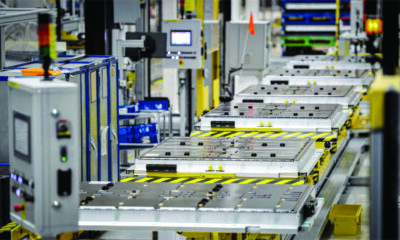
Five years after reaching a production capacity of one million vehicles per year in 2025, the Kingdom has now doubled this capacity with the commissioning, on March 17, 2030, of the production unit of a new manufacturer. The automobile industry has established itself as a central pillar of the Kingdom’s industrial development. It beautifully embodies the relevance of the logic of industrial ecosystems that have been the strength of the first two car manufacturers established in Morocco (Renault Group and Stellantis).
The increase in the local integration rate in high value-added segments (engines, gearboxes, technological content, tires…) and the rise of the ecosystem dedicated to electric batteries as well as management systems (BMS) support the installation of major manufacturers.
Moreover, the production of electric vehicles, which records an ascending demand, allows Morocco to take the place it deserves on the global automotive industry chessboard.
Batteries : The third Cobco unit operational
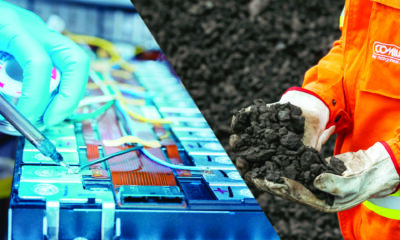
The integrated industrial complex of Cobco is officially completed with the inauguration, on October 15, 2030, of its third unit. Already in 2025, a first phase was completed for the production of cathode precursors (pCAM) based on nickel-manganese-cobalt (NMC).
These are essential components of batteries for electric vehicles and stationary energy storage. Cobco, a Moroccan company, the result of a strategic partnership between Al Mada and CNGR Advanced Materials, a world leader in battery materials, thus becomes a central player in the global value chains of green technologies.
With a capacity equivalent to 70 GWh/year, Cobco can equip up to one million electric vehicles per year. The industrial complex thus includes 120,000 tons per year of NMC precursor production capacity and 60,000 tons per year of LFP (lithium-iron-phosphate) cathode production capacity, as well as critical metal refining and black mass recycling units, with a processing capacity of over 60,000 tons per year.