Kingdom
Capitalizing on Akhannouch’s Achievements
“The Path of Achievements” is the new publication released by the National Rally of Independents (RNI), chronicling its nationwide tour. This intellectual contribution marks the culmination of a unique experience.

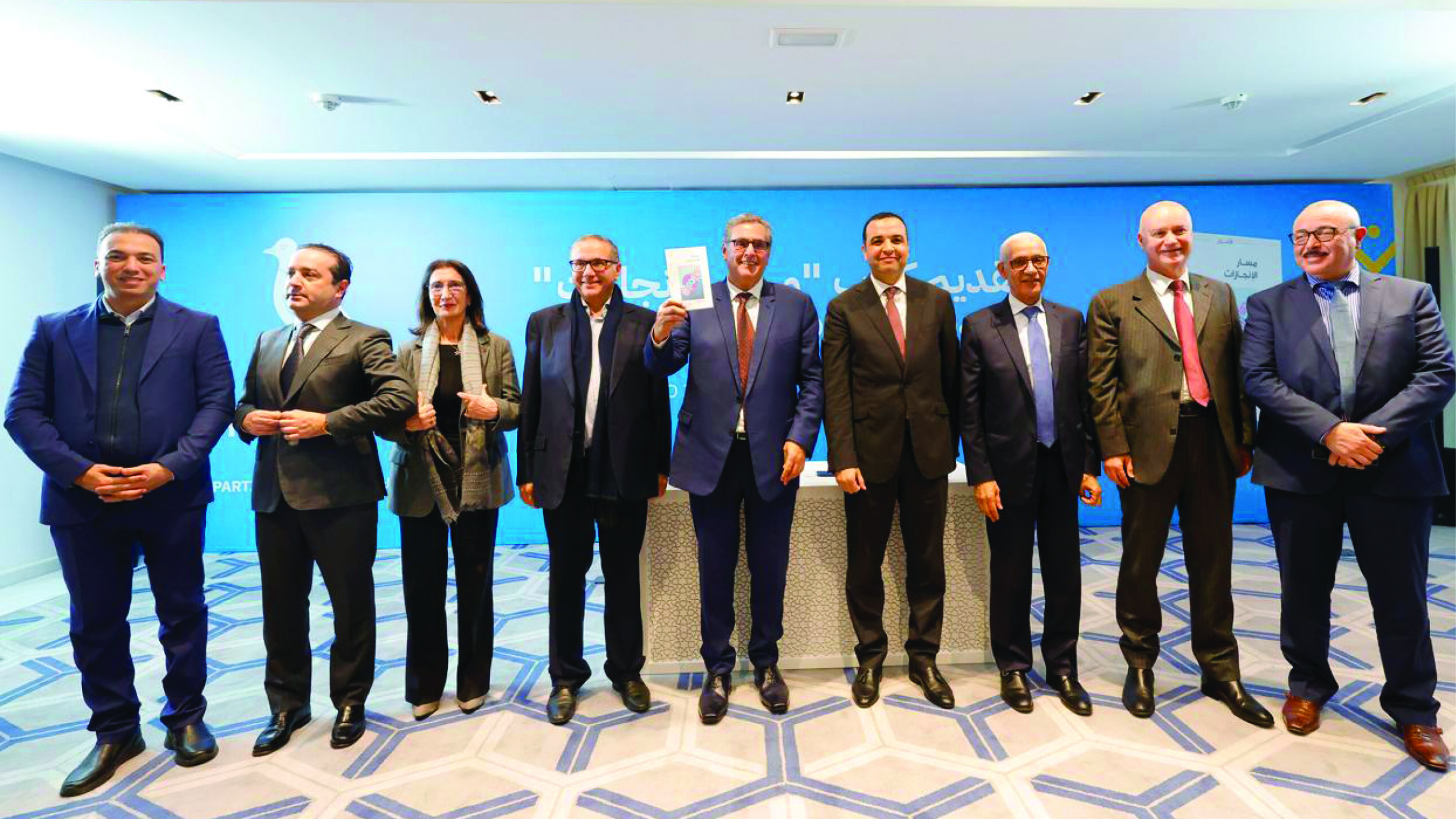
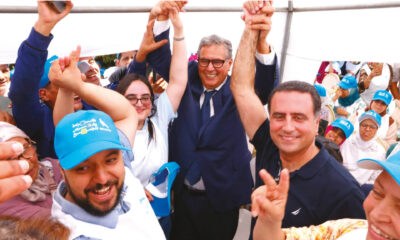
Fresh from Parliament, where he had a session with councilors on that rainy afternoon of January 27th, Aziz Akhannouch crossed the capital to his party’s headquarters. The National Rally of Independents (RNI) is tonight launching its new publication, “The Path of Achievements.”
This new intellectual contribution represents the continuation of a decade-long approach of listening and action that the party has championed since its sixth congress and the arrival of Akhannouch.
“Throughout this entire period, we have remained attentive to social demands and even the ways in which they are expressed. We view this as a healthy dynamic, reflecting society’s vibrancy and a growing awareness of legitimate social demands,” he stated during the press conference for the publication’s release.
“This publication, which we are issuing as the government’s mandate draws to a close, stems from our conviction within the RNI of the necessity to analyze our experience at the helm of government,” he added.
Seriousness and a Sense of Responsibility
It must be acknowledged that the party has shouldered its responsibilities with patriotism and sincerity, sparing no effort to honor its commitments and advance the major royal projects.
“We have worked with seriousness and a sense of responsibility. Despite the difficult circumstances in which we took office, we focused on tangible change, not just rhetoric; on efficiency, not words; and on action, not justification,” said the leader of the Dove Party (see box). “Thus, our party, leading the government alongside our coalition partners, has contributed to major transitions toward a prosperous Morocco as envisioned by His Majesty the King.”
The publication highlights the key factors behind the success of this term. Foremost among these is the confidence and wise, enlightened vision of His Majesty the King, which has turned many challenges into opportunities for success. Another significant factor is the teamwork within the majority coalition.
“Personally, in 20 years of government, I have never seen a majority as united and harmonious as the current one,” he testified, having observed three former Heads of Government.
Furthermore, the party’s significant work, its clear vision and methodology, combined with the commitment of all its members (ministers, parliamentarians, and elected officials), were crucial for the success of its mission.
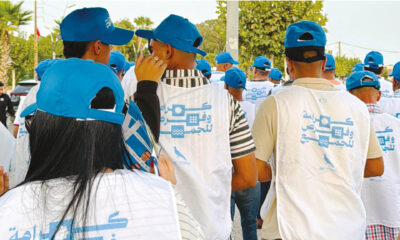
“These successes are also due to our commitment to this approach of active listening. Since the party’s sixth national congress, we have maintained direct contact with our citizens through various channels,” explained Akhannouch.
With full legitimacy, the RNI President, who is preparing to pass the torch, believes the experience merits recognition: “Any objective and lucid analysis of the current situation and the context in which this government assumed its responsibilities will conclude that our party, which had the honor of leading this experience, deserves fairness and recognition.”
Field Experience and Expertise
“This publication is dedicated to analyzing a politically sensitive period, marked by unprecedented challenges, from global economic crises to domestic social pressures, which compelled the government to make bold decisions and implement balanced public policies,” added Mustapha Baïtas.
The 174-page book draws its content from the findings of the 12 “The Path of Achievements” events, which gathered over 38,000 elected officials, activists, and citizens from all walks of life, as well as the “Niqash Ahrar” meetings held in 77 communities.
The publication is also based on the results of a broad consultation conducted by the party via the “Insat” digital platform, which gathered about 15,000 contributions from citizens.
“During these consultations, citizens reiterated their priorities, which align closely with those identified by the party through its mobilization efforts. These priorities include health, education, employment, and strengthening territorial justice,” explained the RNI’s Director General.
Thus, “The Path of Achievements” is a self-assessment of the political movement, which has undergone a true transformation over the past decade.
“The book examines how the party’s project, aligned with the High Royal Directives, has linked reform to realism while effectively responding to citizens’ expectations, all while maintaining the nation’s overall balance. The government, supported by a united and cohesive majority, has achieved this,” Baitas stressed.
Through this document, the party asserts that it has acquired a wealth of field experience and expertise, establishing a solid foundation for building the Morocco of tomorrow, aspired to by all Moroccans.
“This book is also a sincere invitation to all who wish to actively and ambitiously engage in the major transformations our country needs,” emphasized a party official.
“This book is also an invitation to every citizen to engage in a permanent national project to build the Morocco of tomorrow, a Morocco that ensures just and equitable opportunities for all, empowering each individual to play a real and effective role in shaping our common future,” he added, noting that the party will soon hold new consultation sessions with its federations and affiliated organizations.
These sessions with the 19 structures are expected to shape the electoral program that Mohamed Chaouki will champion, who is expected to officially take over the leadership on February 7th.
Major Achievements in Transition
The publication does not provide a comprehensive account of all governmental achievements. As Akhannouch highlighted, “a detailed account of accomplishments will be presented to the constitutional bodies in the coming months.”
Nonetheless, the party, leading the government, has collaborated with its coalition partners to achieve significant transitions. These transitions encompassed several key areas:
First, the social transition, marked by the launch of the ambitious state-driven social welfare initiative.
Second, the economic transition, driven by the establishment of robust foundations for a modern national economy. This modern economy is designed to keep pace with global transformations and embrace the future.
This was followed by the water security transition, characterized by a responsible approach to water resource management and a strategic focus on non-conventional water sources.
Finally, the energy transition, which involved substantial investments in renewable energies, alternative resources, and green hydrogen.