Kingdom
RER: ONCF expands the scope to Tangier and the Kenitra industrial zone
These two corridors fall within the geographical scope defined by ONCF as part of a call for tenders for the conduct of market studies aimed at identifying the needs of future users of the Mass Transit network. Details.

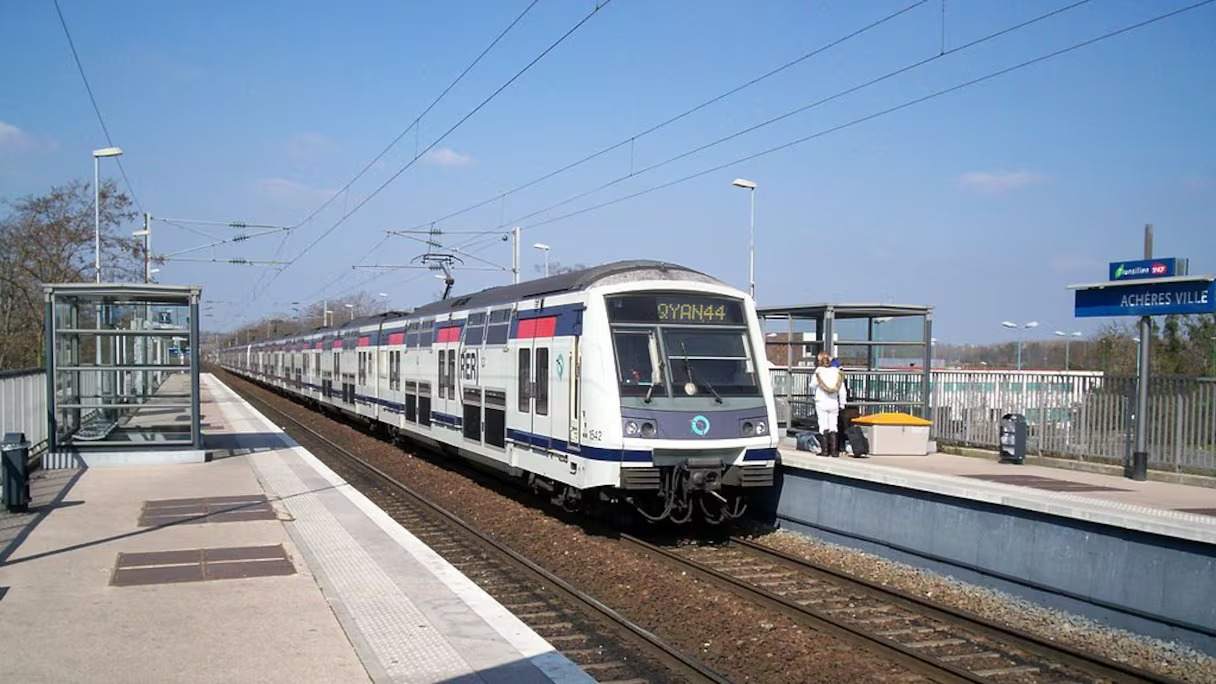
The National Railway Office (ONCF) is taking a new step in the implementation of the future metropolitan rail transport network. The company, led by Rabie Khlie, has just incorporated two strategic corridors—Tangier and the Kenitra industrial zone—into the route of the regional express network (RER), thereby expanding the scope of its Mass Transit project.
In detail, the Tangier corridor covers several key stations, notably Tangier Ville, Aouma, Deux Mers, the Tangier Stadium, the Faculties, and Ibn Battouta Airport.
For its part, the Kenitra axis includes Kenitra, Kenitra Medina, Sidi Ichou, Sidi Yahya, Sidi Slimane, Sidi Kacem, as well as the Atlantic Free Zone. This last հատված is particularly important due to its industrial vocation, with strong traffic potential linked to the daily commuting of employees and economic operators. These two corridors fall within the geographical scope defined by ONCF as part of a call for tenders for market studies aimed at identifying the needs of future users of the Mass Transit network.
Beyond Tangier and Kenitra, the study, budgeted at 3.9 million dirhams (MDH), also covers three major urban corridors already identified: the corridor linking the Benslimane Stadium to Casa-Port and Mohammed V Airport, the Kenitra–Salé–Rabat–Témara–Skhirate axis, as well as the Marrakech–Benguerir connection. These are all areas with major mobility challenges, characterized by high urban density and significant commuter flows.
This strategic study, scheduled to last around five weeks, aims to quantify current and future demand for metropolitan rail transport. It also seeks to analyze user mobility behaviors, particularly the determining factors in the choice of transport mode, such as travel time, cost, and accessibility.
Calibrating demand and segmenting users
Customer segmentation, with a view to adapting services to user profiles and expectations, as well as defining a relevant positioning of Mass Transit at the national level, are also among the study’s objectives. The plan notably includes a national quantitative survey based on a sample of 11,000 people distributed across the five targeted areas. This includes 7,500 occasional travelers and tourists, 2,000 non-mobile individuals identified from databases, and 1,500 ONCF subscribers traveling within the areas concerned by the future RER.
The future Mass Transit network is part of a broader dynamic of modernizing public transport in Morocco. Designed as complementary to the development of the Kenitra–Marrakech high-speed rail line (LGV), it aims to ease daily travel in major metropolitan areas and strengthen connectivity between urban centers and their outskirts.
The project also seeks to enhance intermodality with other modes of transport, notably tramways, bus rapid transit systems (BHNS), and urban networks. The goal is to offer an integrated and optimized mobility experience for users, particularly in view of Morocco’s co-hosting of the 2030 World Cup.
A global event that will require efficient, smooth, and interconnected mobility systems. The name of the selected service provider will be announced on May 13.