Kingdom
Running shoes: Trends in 2026
The running shoe market is entering a new phase, where performance, comfort, and versatility are redefining runners’ expectations.

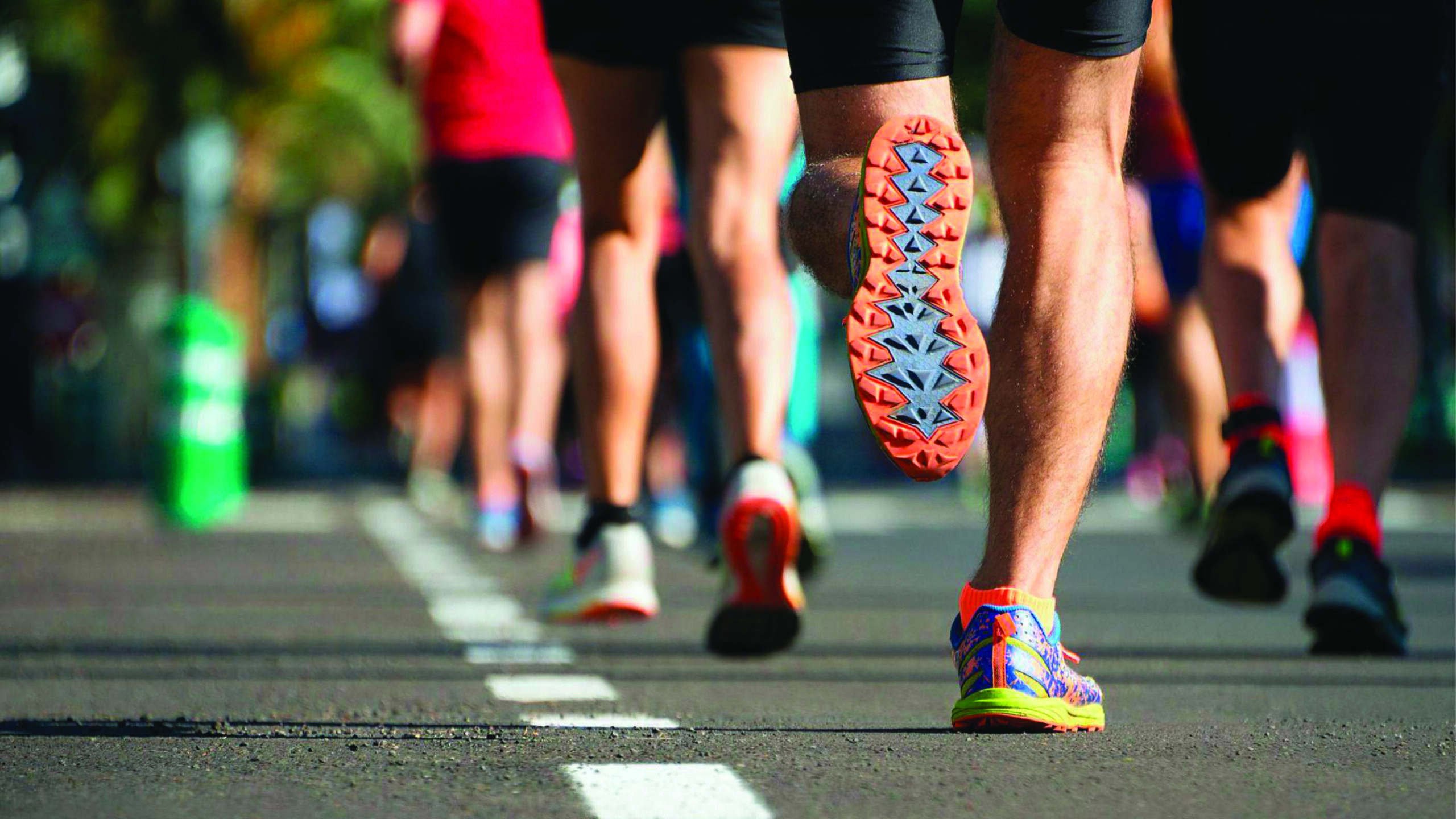
During this spring period, when marathons and other running races follow one another in Morocco, brands have committed to offering runners more responsive and comfortable shoes while reducing the risk of injury.
In 2026, the global running market is gaining new momentum: brands are no longer selling just comfort, but a promise of performance, style, and sometimes even identity. In this race where innovation and marketing advance at the same pace, one word still dominates runners’ conversations: carbon.
The carbon plate, popularised by Nike with the Vaporfly, continues to set the standard. Lighter, stiffer, and paired with highly responsive foams, it now equips most of the “super shoes” on the market.
The latest generations of ASICS Metaspeed, Adidas Adizero, and Hoka Rocket models focus on maximising energy return to improve athletes’ running economy. Several studies and specialised tests show that these models can genuinely influence performance over long distances.
But the deeper trend now goes beyond the simple quest for speed. After several years of technological exuberance (oversized soles, aggressive geometries, and ultra-soft foams), the market seems to be entering a phase of maturity. Runners are now seeking greater versatility.
“Daily trainer” models, designed for everyday training, are becoming more dynamic without sacrificing comfort. Hoka, long associated with maximalism, is offering more responsive shoes, while Adidas is trying to make its premium foams more accessible across a wider range of models.
Another major development is the return of a certain biomechanical simplicity. After the obsession with ever-thicker soles, several brands are reintroducing more stable and more natural shoes.
Altra and Brooks, for example, are focusing on a smoother stride and a better balance between cushioning and control.
This is a direct response to criticism from some runners who consider carbon models too demanding or too unstable for daily use. Discussions on specialist forums also show growing interest in hybrid shoes capable of handling both training and racing.
ASICS Metaspeed Sky
Designed as a performance weapon, the ASICS Metaspeed targets runners with a fast stride or cadence, depending on the version. With a carbon plate and FF Turbo foam, the promise is simple: go faster with less effort. Price: around 2,200 MAD.
Nike Vaporfly 3
An icon of modern running, the Vaporfly remains the benchmark for “super shoes.” With ultra-responsive ZoomX foam and a carbon plate for maximum energy return, it is lightweight, aggressive, and built for pure performance. Price: around 2,200 MAD.
Hoka Rocket X
More understated but highly effective, the Rocket X reflects Hoka’s vision of speed: generous cushioning combined with a carbon plate for a smooth stride. Less extreme than its rivals, it appeals to runners seeking both stability and performance. Price: around 1,500 MAD.