Kingdom
Open Parliaments in Africa: Rabat Hosts the New Continental Network
The creation of the African Network of Open Parliaments was announced on the sidelines of the African Conference of the Open Government Partnership. Designed to encourage the sharing of experiences and promote transparency, this continental framework will be headquartered in the Moroccan capital, with the House of Representatives also assuming the network’s presidency.

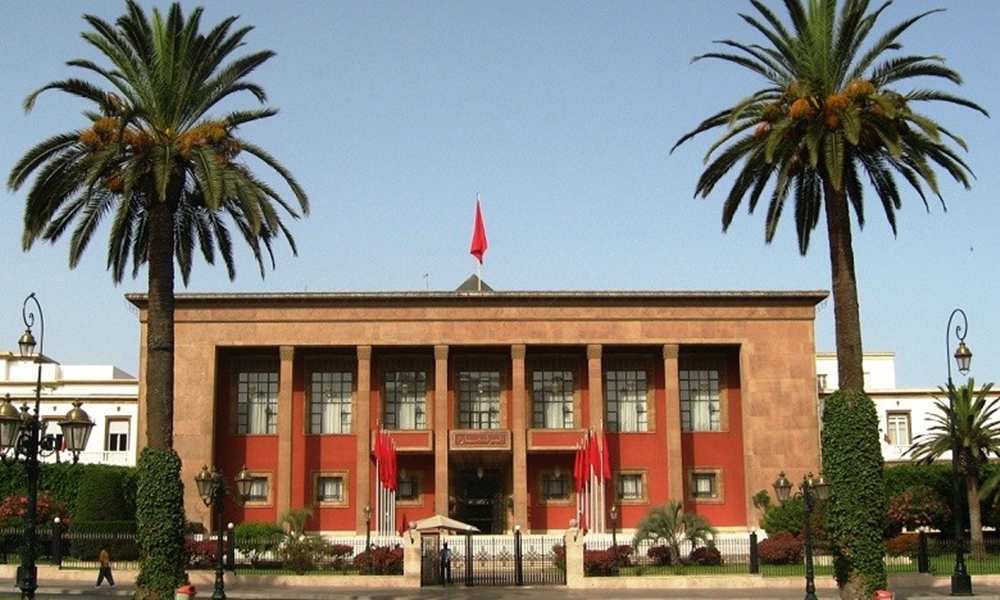
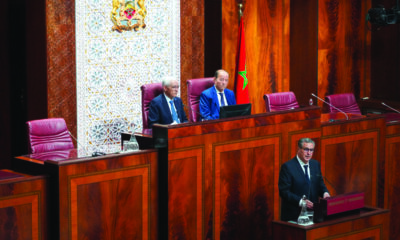
The establishment of the African Network of Open Parliaments, conceived as a framework for exchanging experiences among the parliaments of member countries of the Open Government Partnership (OGP) initiative and those seeking to join it, was announced on Wednesday at the headquarters of the House of Representatives.
On the same occasion, it was agreed that Rabat will host the permanent secretariat of the Network and that the House of Representatives will assume its presidency.
The announcement was made during a parliamentary day organised as part of the African Conference of the Open Government Partnership, according to a statement issued by the House of Representatives.
The House further noted that the conference brought together African parliaments that are members of the initiative, as well as those aspiring to join it, namely the House of Representatives of the Kingdom of Morocco, the National Assembly of Côte d’Ivoire, the Parliament of Ghana, the National Assembly of Benin and the National Assembly of Senegal, in the presence of the Director General of the OGP initiative and several international partners.
According to the statement announcing the creation of the Network, read by the Vice‑President of the House of Representatives, Mohamed Ghayat, the initiative represents the culmination of “our awareness of the need to open up legislative institutions and of the importance of such openness in consolidating and improving democratic practice and strengthening citizen participation in the management of public affairs.”
It also reflects the shared conviction of the African parliaments present regarding the values and principles of the Open Government Partnership for governments, parliaments and open institutions, particularly those related to openness, inclusion, transparency, accountability, and the facilitation of access to and sharing of information.
On this occasion, representatives of the participating African parliaments recalled the content of the Marrakech Declaration, adopted on 2 November 2022 during the Parliamentary Day organised as part of the Africa and Middle East regional meeting of the Open Government Partnership.
In this context, they stressed the need to take into account the historical, civilisational and cultural context, as well as all factors affecting the process of building institutional democracy in Africa.
They also recalled the Abidjan Declaration of 26 June 2025 concerning the creation of this Network to promote the principles of open parliaments in Africa and the Middle East.
According to the founding declaration of the African Network of Open Parliaments, the Network’s mission is to serve as a framework for joint action, the sharing of expertise, and the mutual exchange of information on national practices related to openness, civil society engagement, digitalisation, and universal access to information.
The document notes that the Network is being launched at a time when African countries are strengthening parliamentary action and establishing legislative institutions based on free elections and multiparty systems, while elected bodies worldwide are facing growing discourse critical of institutional action.
This situation calls for greater determination, as well as policies and measures aimed at consolidating the role of parliamentary institutions within societies, promoting openness to communities and social actors, and involving young people and women in democratic practice and parliamentary action.
The founders of the Network believe that digitalisation today offers enormous potential for the collection, use and sharing of information, while also enabling public outreach and bringing citizens closer to how institutions function.
They further stressed that its implementation should facilitate the development of institutional democracy and the consolidation of public trust in parliamentary institutions, ensuring genuine citizen participation in democratic development, while fostering the emergence of a public opinion that is aware of the issues and challenges and fully engaged in strengthening stability and inclusive institutional and political dynamics.
Regarding the Network’s missions and objectives, the founders indicated that it seeks to share expertise and parliamentary practices related to openness, data exchange, publication, documentation and the preservation of African parliamentary memory.
The Network also aims to make digitalisation a tool for democratisation, enabling citizens—especially young people—to understand how parliamentary bodies operate, access information, and follow the actions of parliamentarians in legislation, lawmaking, oversight of government action and evaluation of public policies.
It further seeks to promote the responsible and vigilant use of digital technologies and artificial intelligence to ensure the legality of legislative and regulatory texts and to make them clear, transparent and accessible to all, in the service of the rule of law.
In addition, the Network endeavours to integrate the principles and values of the Open Government Partnership into parliamentary practices during the preparation, implementation and evaluation of national plans related to adherence to the initiative.
Ultimately, the Network’s purpose is to advocate for African continental issues and defend its interests, taking into account the specificities and institutional traditions of its countries, while fully leveraging digital technologies.