Kingdom
Morocco, A Well-Oiled Event-Organizing Machine!
An ambitious host and celebrated organizer, the Kingdom delivered an Africa Cup of Nations that met international standards. Modern infrastructure, record attendance, and unprecedented media reach defined this edition. Analysis of a tournament that was both accomplished and revealing.

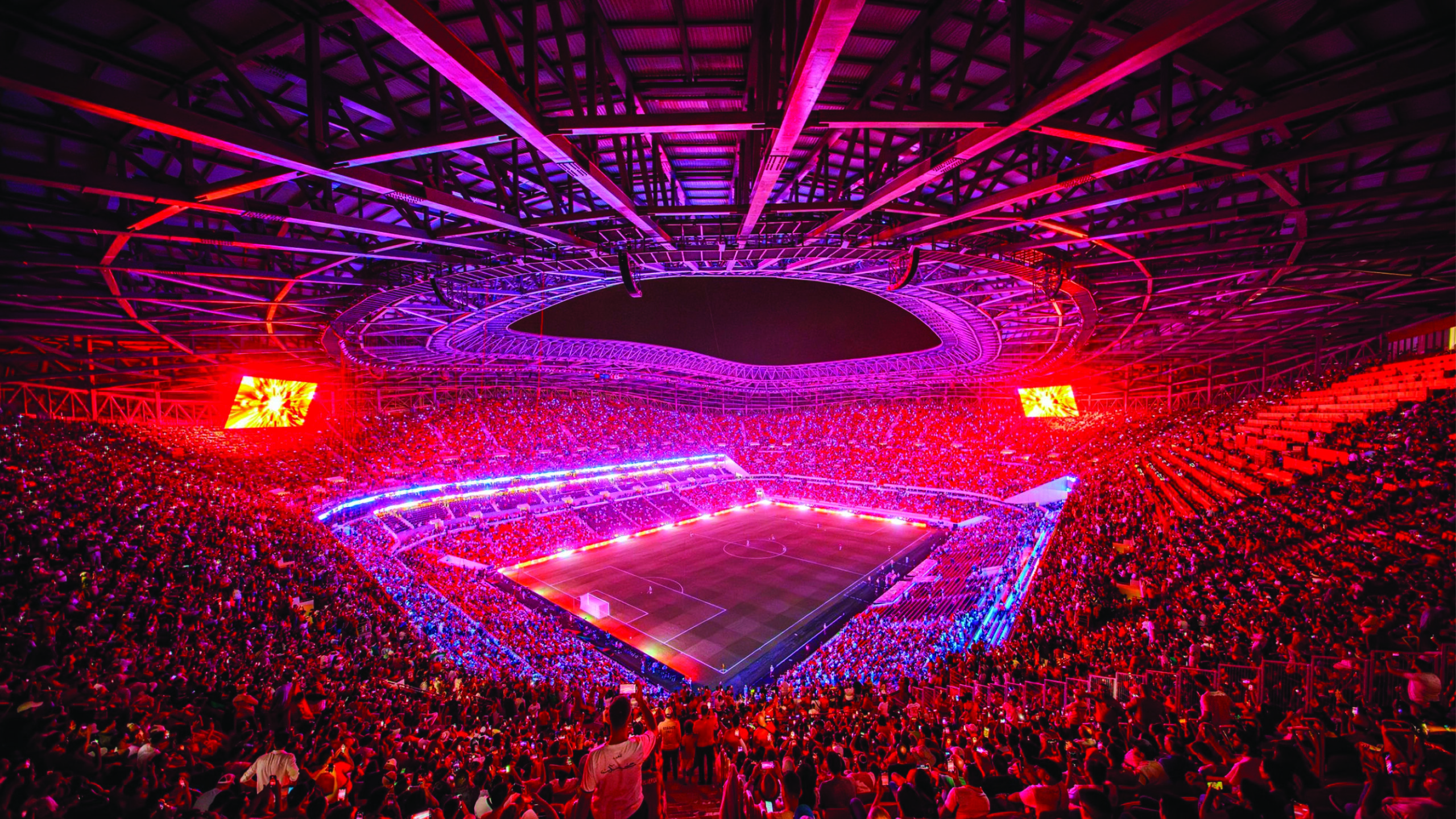
From December 21, 2025, to January 18, 2026, Morocco hosted the 35th Africa Cup of Nations with a clear ambition: to make this AFCON a benchmark event, capable of rivaling major international competitions.
In a country where football is both a popular passion and a symbolic issue, the promise was immense. And, in many ways, it was fulfilled.
But this record-breaking and spectacular AFCON 2025 will also be remembered as an edition marked by paradoxes, where organizational excellence sometimes coexisted with glaring dysfunctions and a high-stakes final.
An AFCON of Unprecedented Records
First, it must be said without reservation: Morocco delivered an AFCON that was technically and logistically robust, reaching a level rarely achieved on the continent.
Throughout the tournament, the quality of sports, road, rail, and hotel infrastructure was unanimously praised, especially in the host cities: Rabat, Casablanca, Tangier, Marrakech, Agadir, and Fez.
The renovated or rebuilt stadiums (Prince Moulay Abdellah, Ibn Batouta, Marrakech, Adrar) offered playing, safety, and broadcasting conditions comparable to those seen at major FIFA competitions.
To this modernity was added massive yet largely controlled security logistics. Police operations, stadium security, access controls, crowd management around fan zones and transport routes: everything was designed to handle exceptional attendance.
Apart from the final, almost all matches took place without major incident, a point acknowledged by CAF itself, which clarified that the tournament’s overall organization was not at fault, even during the chaotic events of the final match.
This organization was underpinned by unprecedented public mobilization. Over 1.1 million spectators were recorded even before the final, a historic record for an AFCON!
In the stadiums and fan zones alike, Morocco showed it could sustain a major continental event, strengthening its status as a credible candidate for hosting major international competitions, notably the 2030 World Cup alongside Spain and Portugal.
The AFCON Reaches a New Dimension
Beyond the stands and popular fervor, AFCON 2025 also marked a major economic turning point in the competition’s history. Commercially and in terms of media, this edition stands as the most lucrative ever organized.
According to data provided by the Confederation of African Football, commercial revenue increased by over 90% compared to previous editions, driven by an expanded sponsorship strategy and increased valuation of broadcasting rights.
The number of official partners thus rose from 9 during the 2021 AFCON in Cameroon to over 20 sponsors and suppliers for the Moroccan edition—an absolute record for the competition!
This momentum was accompanied by unprecedented international visibility. For the first time, all 52 matches were broadcast free-to-air in the United Kingdom, while rights were extended to new European, Asian, and North American markets.
In Africa and the MENA region, television coverage reached unprecedented levels, with multilingual setups and daily broadcast volumes never seen before.
Viewership followed this surge. In Europe, the final drew several million viewers on general and sports channels, confirming the AFCON’s gradual integration into the global media landscape.
An XXL Atmosphere
In terms of atmosphere, AFCON 2025 delivered on all its promises. Images circulated across the continent: packed stands, uninterrupted chants, drums, impromptu choreographies, painted bodies, and mingled flags. When this edition is remembered, this popular fervor, rarely diminished, will be the first thing recalled.
And crucially, the celebration wasn’t confined to sports venues. In 8 host cities, official fan zones transformed squares and esplanades into veritable agoras of African football.
In Rabat, the OLM Souissi fan zone gathered thousands from the opening night. Elsewhere, in Casablanca, Tangier, or Agadir, cafes and streets turned into open-air stands.
In some cities, supporters were singing and dancing from early afternoon, giving the tournament the feel of a permanent urban festival.
But this effervescence sometimes masked a more troubling reality. Because behind this festive showcase, ticketing quickly emerged as the tournament’s Achilles’ heel. The digital system implemented (digital ticketing, mandatory Fan ID, QR codes) was meant to guarantee transparency and security. In practice, it showed its limits.
From the first sales phases, the platform was saturated, preventing thousands of supporters from legally buying tickets, according to numerous testimonies reported by Moroccan and international press. This blockage opened the door to a massive black market, particularly around Morocco’s matches and, especially, the final.
Despite reinforced control measures around the venues, many tickets circulated at very high prices, sometimes bearing no relation to official rates, fueling a sense of injustice among part of the public.
Even more troubling, some matches announced as “sold out” presented the spectacle of partially empty stands. This paradox (unavailable tickets, incomplete stadiums) highlighted the flaws of a failing distribution system, where tickets acquired upfront sometimes never found takers in the stands.
For those who were in the stadiums, the atmosphere was unforgettable. For many others, the AFCON was experienced behind giant screens, with the bitter feeling of having been “excluded from the party.”
A Tense Final
It was in this already tense climate that the Morocco–Senegal final took place, quickly entering the competition’s history for reasons beyond the sporting framework alone.
At the very end of the match, a penalty awarded to Morocco after a VAR review sparked fierce protest, leading to the temporary walk-off of Senegalese players on their manager’s instruction.
The match was then interrupted for long minutes as tension rose a notch in the stands. These scenes were accompanied by clashes on the periphery of the pitch, resulting in several injuries among stadium staff and law enforcement.
CAF condemned the “unacceptable behavior” of certain players and officials, while FIFA President Gianni Infantino denounced “unacceptable scenes,” calling for disciplinary sanctions.
Sportingly, Senegal’s victory after extra time is uncontestable from a regulatory standpoint. But the chain of events relegated football to the background. Even Walid Regragui, the Moroccan manager, lamented “the image given of African football,” summarizing the general unease.
What was meant to be the apotheosis of a month of celebration thus became a symbol of the persistent tensions in continental football, where passion sometimes overflows the boundaries of the game.
However, AFCON 2025 will ultimately remain a major organizational success. Morocco demonstrated its capacity to host a large-scale continental event, mobilize its people, and provide an atmosphere worthy of the world’s greatest competitions.
“When you’re looking for a host country, nobody volunteers. African countries don’t have the means or resources. That’s when Morocco offers its help. That’s why several competitions are held in Morocco…,” hammers home CAF President Patrice Motsepe.
But it will also remain a brutal reminder: modern stadiums and logistical efficiency are not enough to resolve the structural fragilities of African football (ticketing, fair-play culture).
Morocco won its bet as a host. African football, however, still has a way to go to ensure its biggest matches are played solely… on the pitch.