Influences
Modernization of Libraries: Arab Cooperation, a Necessity in the Face of Digital Challenges
Arab cooperation in the modernization of national libraries is not a choice but a strategic necessity to address the common challenges posed by the digital revolution, said Mohamed Mehdi Bensaïd, Minister of Youth, Culture, and Communication, on Monday in Rabat.

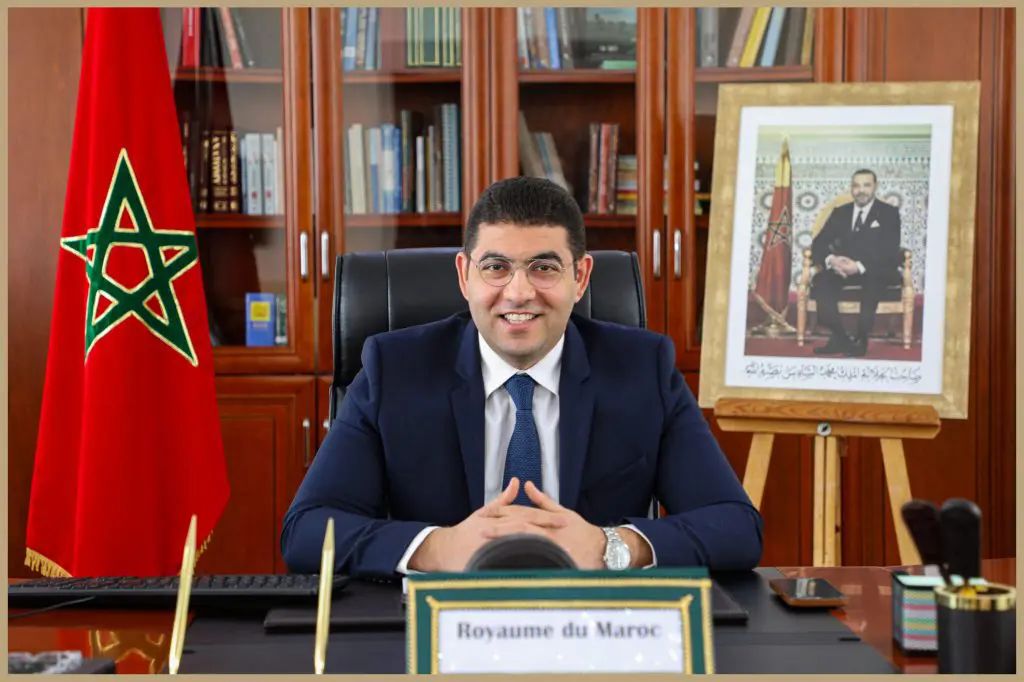
“More than ever, it is up to us to strengthen collective action, exchange expertise, and develop a common vision to modernize and develop our national libraries, expand their services, and consolidate their role,” Bensaïd said in a speech read on his behalf by Ghizlane Drous, Director of Books, Libraries, and Archives at his department, on the occasion of the opening of the first Forum of National Libraries of the Arab World.
The minister recalled that national libraries are an essential lever for sustainable development, both culturally and academically, emphasizing their central position in digital transformation and their growing importance in society, especially among youth.
Bensaïd reaffirmed his department’s constant support for all initiatives aimed at promoting the Arab cultural landscape, adding that this Forum serves as an active platform for dialogue, planning, and action.
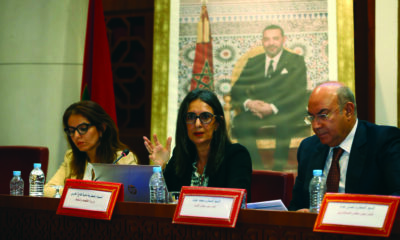
Samira El Malizi, Director of the National Library of the Kingdom of Morocco (BNRM), noted that holding this first Forum in Rabat, the “City of Light,” illustrates the Kingdom’s commitment to advancing the library sector by adopting the best modern practices, continuously improving service quality, and strengthening their role as dynamic centers of knowledge and culture.
She stressed that in a world where nations now develop their development strategies based on scientific foundations centered on computer knowledge and artificial intelligence, this event is of paramount importance for anchoring knowledge, preserving cultural identity, and supporting sustainable development.
This Forum is a major meeting for exchanging successful experiences among library directors and decision-makers, thus contributing to the development of innovative digital strategies for new prospects for Arab national libraries.
Eric Falt, Director of the UNESCO Office for the Maghreb in Rabat, noted, “We find ourselves at a decisive moment for libraries, memory institutions, and more broadly for the preservation of our documentary heritage,” adding that UNESCO has been warning for several years about the increasing use of AI in all areas of society.
In 2021, UNESCO member states adopted a recommendation on the ethics of AI, a pioneering text and the very first normative framework in this field, he recalled, specifying that this document proposes clear principles and concrete actions to regulate AI use in key sectors, including libraries, archives, and museums.
Mohamed Ouled Amar, Director General of the Arab Organization for Education, Culture and Science (ALECSO), emphasized that the theme of this first forum, “Artificial Intelligence in the Service of Libraries and Documentary Heritage,” embodies authenticity, modernity, preservation of the nation’s collective memory, and exploitation of cutting-edge technological advances in this vital field.
Libraries have never been mere book warehouses but have always served as the beating heart of knowledge and bridges between past, present, and future, he insisted, noting that documentary heritage represents the nation’s hidden treasure, its living register, guardian of its identity and history, and foundation for studies, research, and learning.
Ouled Amar also praised AI’s contribution to this knowledge universe, seeing it as an advanced tool enhancing libraries’ capacities through rapid and precise digitization of archives and manuscripts, analysis of ancient texts, understanding their contexts, and providing intelligent, personalized research services.
Similarly, Karim Hamidouche, Acting Secretary-General of the National Commission for Education, Science and Culture (MarocNatCom), highlighted the need to consider the technological and ethical challenges posed by AI in the current context of the global digital revolution.
He added that this forum holds particular importance as a platform for exchange around the preservation and enhancement of manuscripts and sharing fruitful experiences.
Organized by the BNRM in collaboration with ALECSO, UNESCO, and MarocNatCom, this two-day meeting includes sessions addressing “The Role of AI in Developing Services within National Libraries,” “Management of Manuscript Heritage: Wealth, Diversity, Conservation and Access Constraints,” and “Experiences of Arab National Libraries in the Field of AI.”