Kingdom
Mehdi Qotbi: “The Return of Our Cultural Property Will Make it Possible to Tell a Plural History”
The president of the FNM sees the return of looted objects as far more than a simple material transfer. Manuscripts, engravings, and fossils tell the plural history of Morocco and will allow the public to discover a living heritage, at the crossroads of memory and cultural identity.

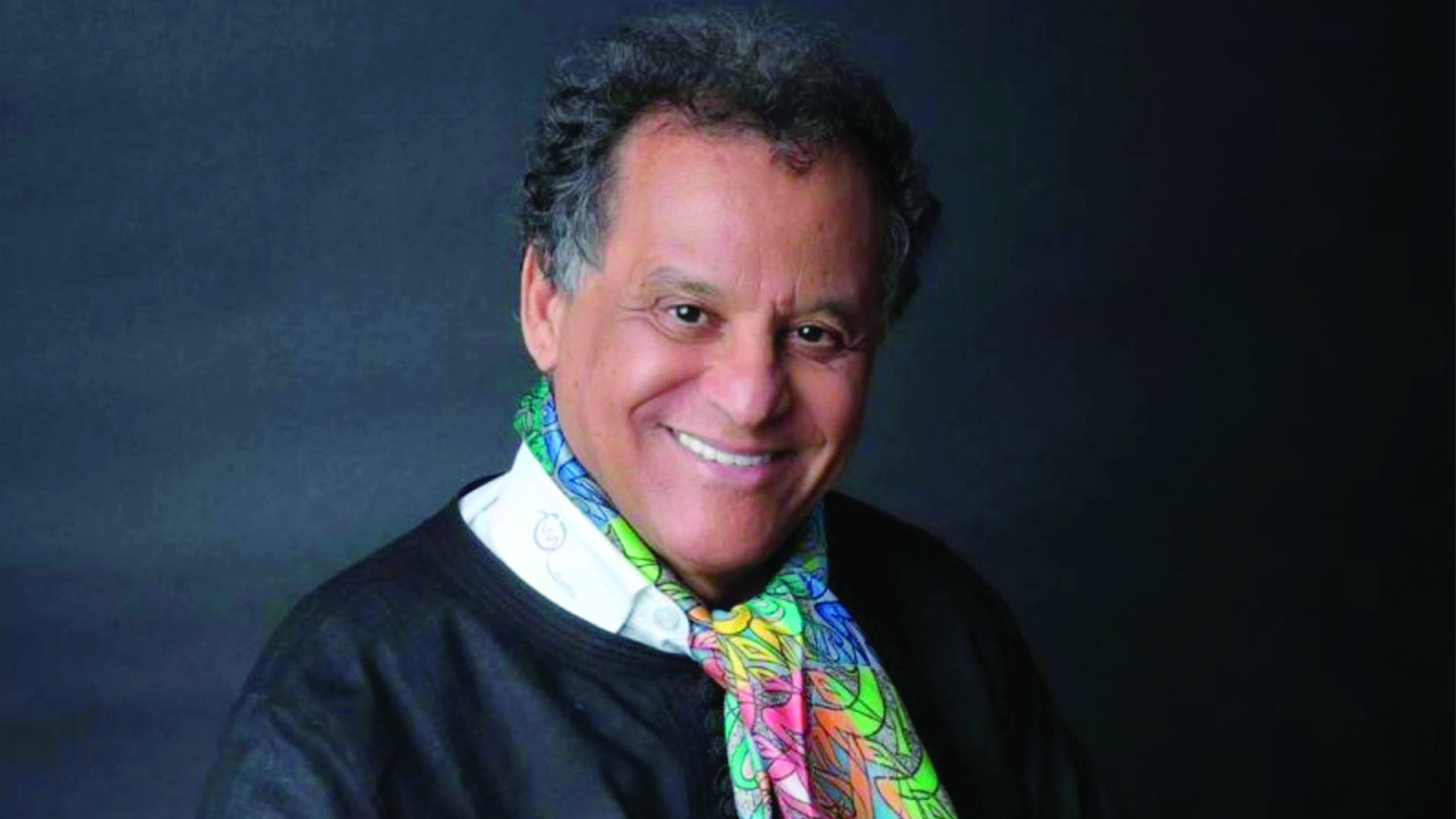
The president of the National Foundation of Museums (FNM) reflects on the long-awaited return of looted Moroccan treasures and explains how these objects can tell the story and identity of Morocco to the public.
France is paving the way for major restitutions. In your view, which objects best tell the story of colonial and pre-colonial Morocco, and which ones matter most to you?
For my part, they are above all the objects that embody the different facets of Moroccan identity, whether they are works of art, archaeological, heritage, or geological items (manuscripts, fossils, engravings, etc.). They tell the story of a plural Morocco, where Arab, Amazigh, Jewish, and Andalusian influences intertwine.
I would be particularly moved to see the return of objects that embody the soul of Morocco. Their value goes far beyond the material aspect, as they carry a powerful symbolism deeply rooted in our identity and collective memory.
These objects will soon be returning. How does the FNM intend to turn their presence into a living narrative for the Moroccan public rather than simply displaying them behind glass cases?
If the FNM is called upon to present these objects in its museums, it will continue its primary mission, which is above all to convey meaning through its exhibitions. It can contribute to rewriting new narratives through carefully designed and inclusive museographic pathways that take into account Morocco’s specificities and the plurality of its history.
This is a renewed way of interpreting our shared heritage: the object then becomes a vehicle for emotion and knowledge. In this way, each visit becomes an enriching journey in which the public can immerse themselves in these narratives, transforming discovery into a living dialogue between past and present.
Restitution could confine these treasures to Moroccan soil. Do you think a balance is possible between repatriation and international visibility? And how do you envision it?
This is a crucial question. A restituted object legally belongs to its country of origin, but that does not prevent the establishment of international collaborations.
In my view, the balance lies in the possibility of allowing them to travel through touring exhibitions that enable global audiences to discover and understand Moroccan history and culture.
These treasures can thus be presented in a global context while remaining deeply rooted in their original setting. The challenge is to build bridges between cultures without ever detaching these objects from their roots.
With thousands of objects potentially concerned, how should it be decided what returns first? Does the FNM already have a strategy to avoid chaos or administrative delays?
I believe that this kind of process requires the formation of a committee of experts, historians, and conservation specialists in order to develop a precise restitution plan. It is also essential to mobilize the appropriate resources at each stage to ensure a smooth and perfectly coordinated return.
Moreover, any initiative likely to enrich the national collection will be welcomed with the greatest interest. Our country is currently experiencing a real cultural momentum, driven by the enlightened vision of His Majesty King Mohammed VI, notably through the implementation of major museum projects such as the future National Museum of Archaeology and Earth Sciences.
The FNM is continuing its efforts to restructure national museums through the creation of the “Musée du Maroc” label, aimed at structuring, professionalizing, and aligning national museum institutions with international standards.
At the same time, the Foundation continues to equip every city and region of Morocco with a museum, with a view to democratizing access to art and culture for all. These initiatives are all sources of motivation that fuel our determination to work every day toward the transmission of our heritage.
Beyond museums, these returns are symbolic. In your opinion, what diplomatic or cultural lesson can Morocco draw from this gesture, and how do you intend to turn it into a landmark event?
This is a moment of strong symbolic significance that goes beyond the mere restitution of objects. It is a recognition of our history and heritage. It sends a powerful message about Morocco’s ability to engage with the rest of the world in a spirit of mutual respect and cooperation.
This opens the way to a more balanced cultural diplomacy, based on listening, shared responsibility, and the promotion of heritage within its original context. Such a historic moment could be accompanied, for example, by a major national inaugural exhibition, as well as a series of conferences devoted in particular to the fight against the illicit trafficking of cultural property.
Educational programs aimed at younger generations could also be implemented to raise awareness about heritage protection and the importance of its transmission. It is an opportunity to revisit our shared history and to present it to the public in a lively and educational way.
It is also the time to work on the transfer of knowledge and expertise in the museum field. The return of objects requires optimal conditions for conservation, restoration, and presentation. This implies strengthened partnerships in terms of training, scientific equipment, and technical expertise in order to ensure the sustainability of these heritage assets, which can open the way to new structuring partnerships.