Kingdom
Liquefied Gas: The Market Is Expected to Remain Tight Until 2027
The International Energy Agency estimates that damage to gas liquefaction infrastructure is likely to delay the impact of an expansion in global LNG production by at least two years.

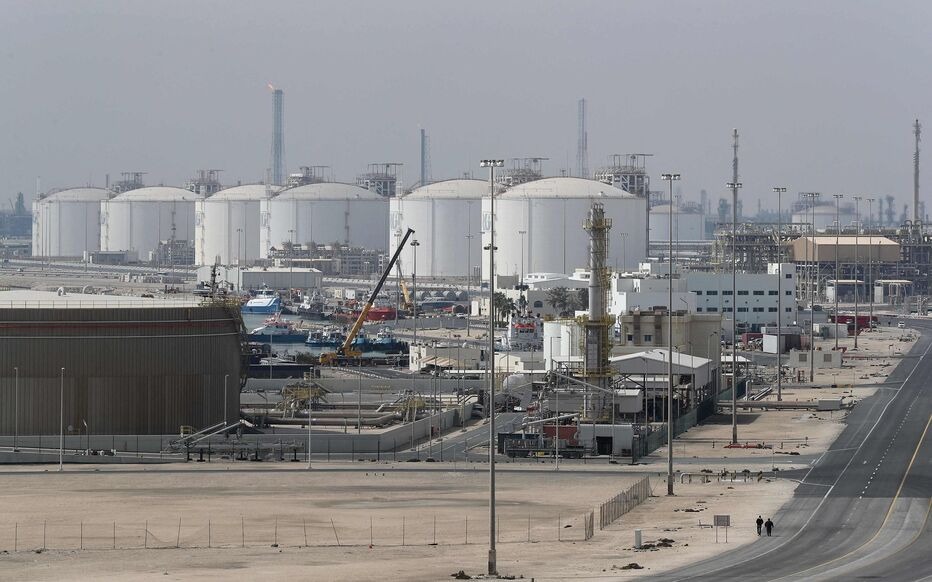
The repercussions of the war in the Middle East on liquefied natural gas (LNG) production will be felt for at least two years, and the market will remain “tight” in 2026 and 2027, according to a report published Friday by the International Energy Agency (IEA).
Damage to gas liquefaction infrastructure is expected to delay the impact of an expansion in global LNG production by at least two years, the IEA stated in its quarterly gas market report.
While new projects are expected to gradually offset these disruptions, the OECD’s energy watchdog anticipates that the market will remain “tight in 2026 and 2027.”
“The combined effect of short‑term supply losses and slower capacity growth could lead to a cumulative shortfall of around 120 billion cubic meters of LNG between 2026 and 2030,” estimated the Paris‑based institution.
The IEA report underscores the importance of “strengthening global LNG supply security” through sustained and adequate investment across the entire value chain, as well as enhanced international cooperation between producers and consumers.
It also highlights the benefits that a diversified portfolio of long‑term contracts can offer gas importers in mitigating price volatility during periods of disruption.
Market conditions changed abruptly in March, as the conflict in the Middle East effectively led to the closure of the Strait of Hormuz to LNG cargoes, the report notes.
It adds that as disruptions spread across global supply chains, LNG deliveries also declined, with a more pronounced drop recorded in April.