Kingdom
Fatim‑Zahra Ammor: Making Experiential Tourism an Innovation‑Driven Economy
The minister believes that, following the structural advances already achieved, innovation has now become the main driver of the next phase—through support for startups, easier access to financing, tailored guidance, and the development of incubation ecosystems.

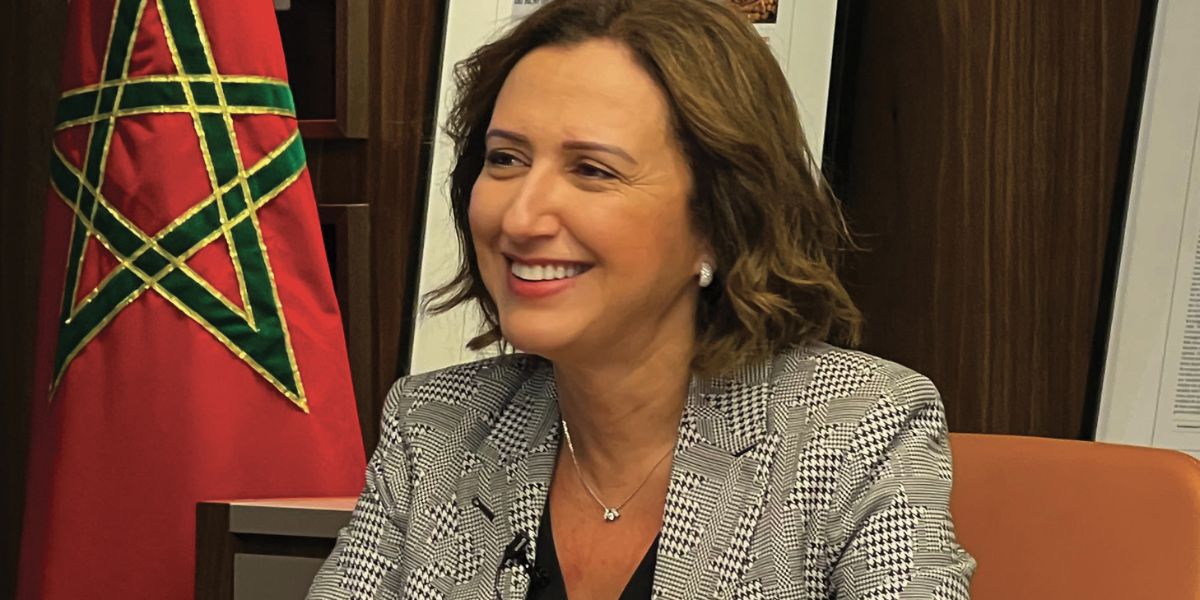
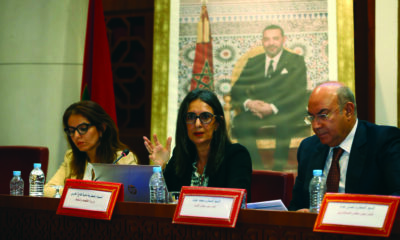
Morocco aims to position experiential tourism as a genuine innovation‑driven economy open to all investors, stated on Friday in Marrakech the Minister of Tourism, Handicrafts, and the Social and Solidarity Economy, Fatim‑Zahra Ammor.
Speaking at the Second International Conference on Technological Innovation and Tourism Investment, the minister underlined that the Kingdom is undergoing a profound transformation grounded in infrastructure development, economic openness, and investment in human capital—placing tourism as a strategic pillar of this national transition.
Ammor also highlighted the structural progress achieved, notably the creation of 45,000 additional beds, a 30% expansion in air connectivity, and support for nearly 2,000 tourism and leisure projects through dedicated national programs.
She stressed that innovation has now become the main driver of the next phase, through support for startups, facilitated access to financing, tailored guidance, and the development of incubation ecosystems.
Within this momentum, the minister reviewed initiatives already launched to stimulate innovation, including the organization of a first national competition in 2024, which led to the emergence of projects that are now operational. This was followed by a second edition in 2025, focused on high‑potential segments such as digital services, entertainment, and Moroccan gastronomy.
She also announced the launch of a third edition dedicated to rural tourism, considered a strategic lever for territorial development.
For his part, the Director General of the Moroccan Society for Tourism Engineering (SMIT), Imad Barrakad, emphasized the need to move from a logic of isolated projects toward the creation of true national champions capable of carrying Morocco onto the international stage. He noted that while the Kingdom has strong assets, its experiential tourism offering remains “under‑structured and under‑capitalized.”
In this regard, Barrakad explained that SMIT is now deploying a comprehensive strategy aimed at democratizing tourism investment by leveraging startups as the primary vehicle for small‑scale investment. This strategy is built on an integrated ecosystem covering project engineering, financing mechanisms, incubation, and connections with national and international investors.
Organized by SMIT in partnership with the Ministry of Tourism, Handicrafts, and the Social and Solidarity Economy and UN Tourism, the conference seeks to inject new momentum into investment by fostering the emergence of innovative, high value‑added projects.
The event program includes startup pitch sessions, panel discussions devoted to innovation financing and future tourism trends, as well as an exhibition showcasing initiatives led by the national ecosystem in the fields of digital technology, gaming, and gastronomy.
The gathering is also marked by the presentation of awards to the most innovative projects as part of a national competition jointly launched by SMIT and UN Tourism, which attracted 275 startup participants.
In addition, the conference will feature the announcement of a new competition dedicated to rural tourism, aimed at identifying and supporting projects with strong territorial impact, in line with the national strategy to diversify Morocco’s tourism offering.